Marshalltown, 1909: Home Turf, Hard Numbers, and a Blaze of Glory

April 25 – June 6, 1909
Marshalltown, Iowa
Fresh off a successful campaign in Springfield, Billy Sunday and his team rolled into Marshalltown in late April of 1909. This was not foreign soil. It was home turf.

Sunday had been raised in Iowa, shaped by its churches, and had even lived briefly in Marshalltown in the early 1890s while learning the mechanics of evangelistic work. By 1909 he returned not as an unknown ballplayer-turned-preacher, but as a nationally rising evangelist whose methods were becoming increasingly organized, efficient, and powerful.

Marshalltown was the right kind of proving ground. Large enough to sustain a six-week revival. Small enough to rally around one of its own.


The Setting: A City Poised for Revival

Marshalltown in 1910 had a population of 13,374—a fraction of Springfield’s 51,678. It was a growing industrial town, commercially strong, strategically located, and connected by rail. It was not metropolitan. But it was energetic.
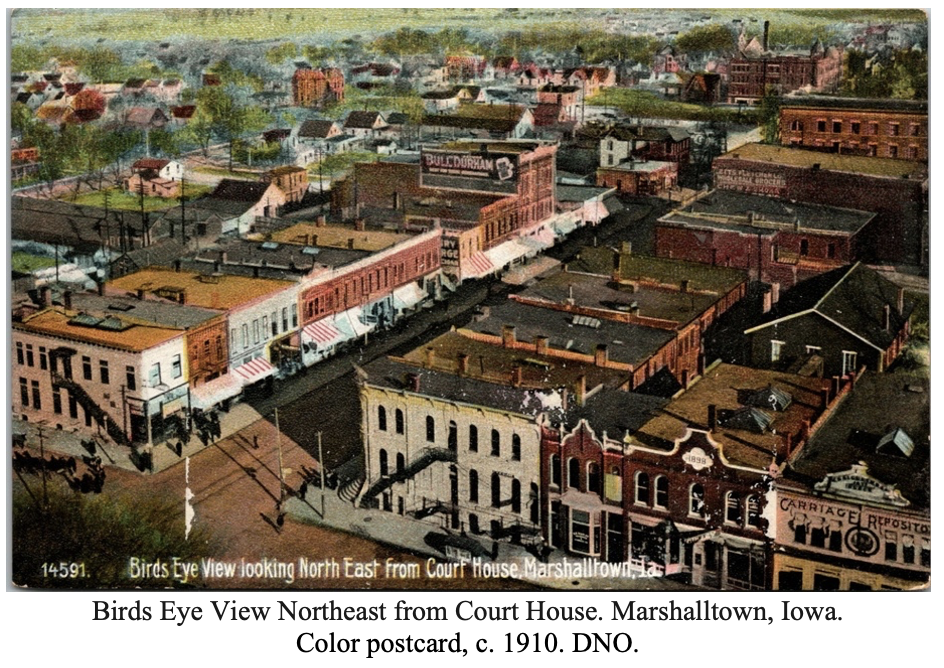
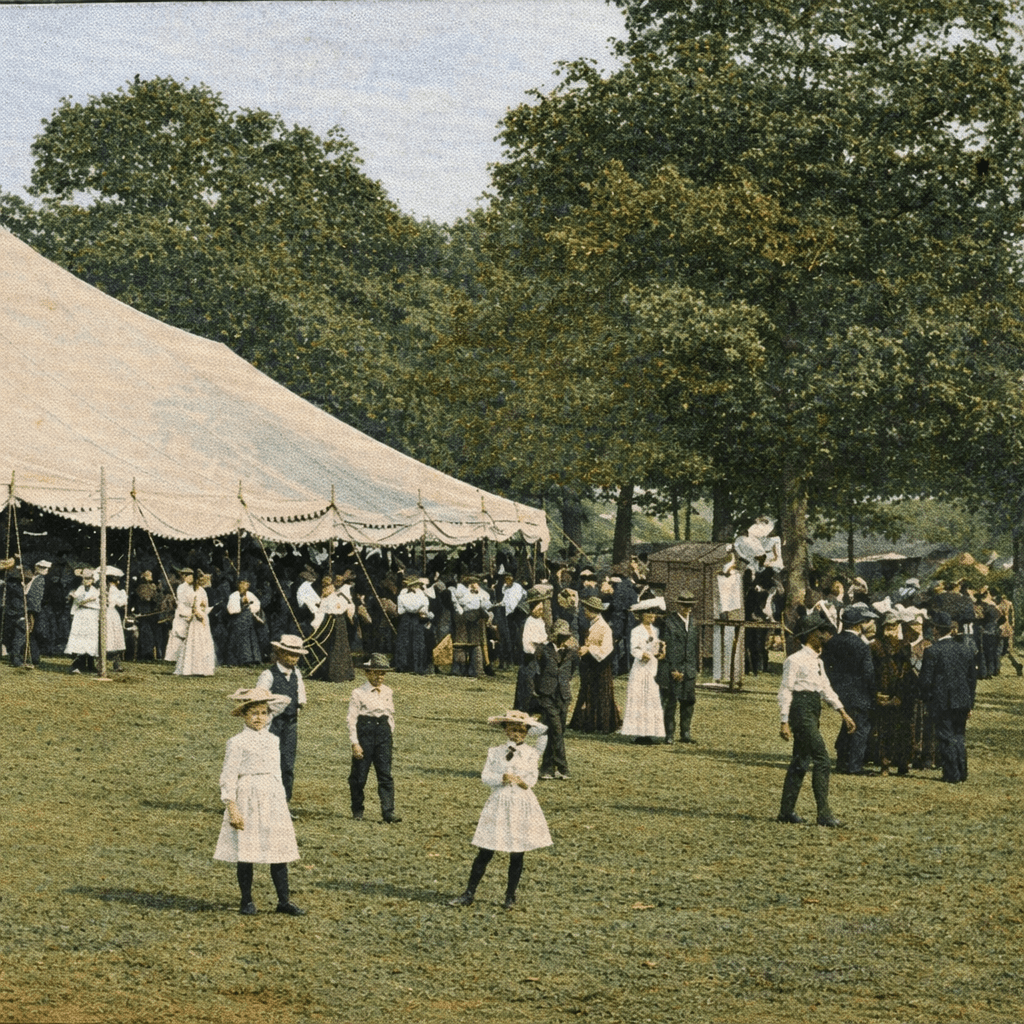
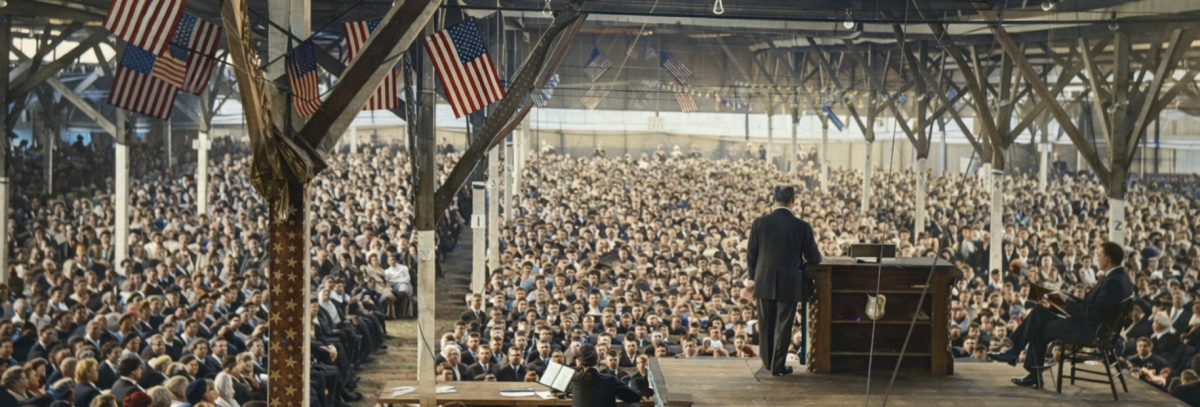
A wooden tabernacle was erected at the corner of Third and Main, seating 5,000. The Sunday machine was now running at full stride.

Opening night—April 25—saw over 12,000 people attend across all services. On the final day, June 6, Sunday preached to 13,200. In a town of just over 13,000 residents, that level of saturation is staggering.

By campaign’s end:

  • 2,000 total conversions (125 on the final day)
  • 84 tabernacle meetings
  • 528 cottage prayer meetings
  • Nearly 200,000 in total attendance

For six weeks, Marshalltown was consumed by revival.


The Money and the Machine
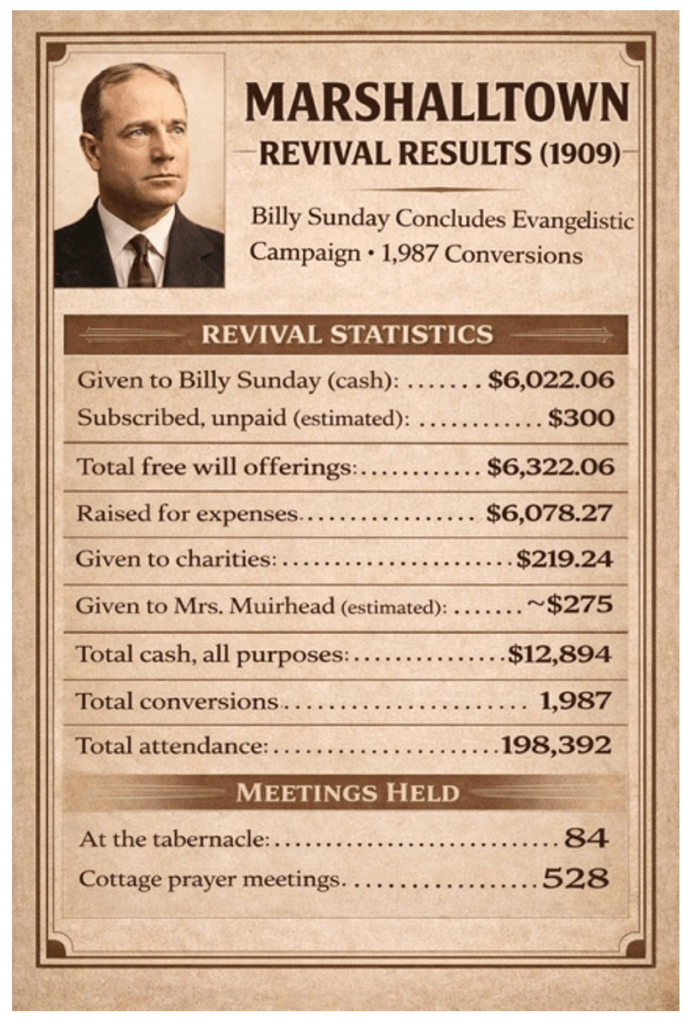
The final purse for Sunday was $6,139.
Total funds raised during the campaign reached $12,894.

For comparison, that purse nearly matched Muscatine’s and approached Ottumwa’s from the previous year. Financially, Marshalltown demonstrated strong committee organization and enthusiastic backing. This was not a struggling campaign.

It was disciplined. Systematic. Mature.

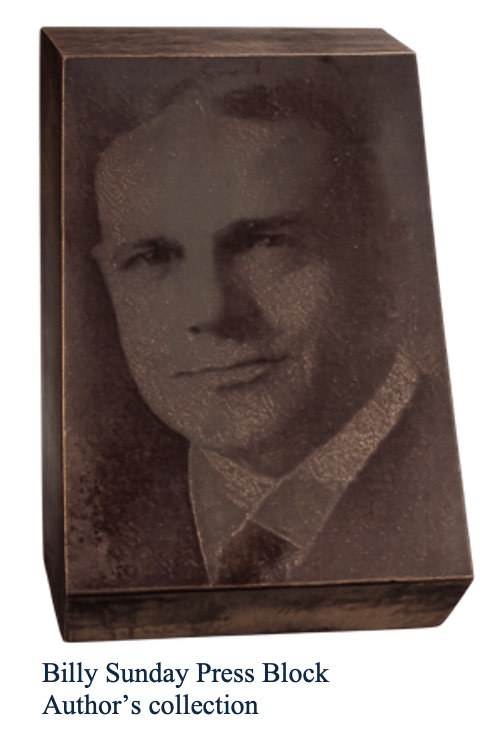
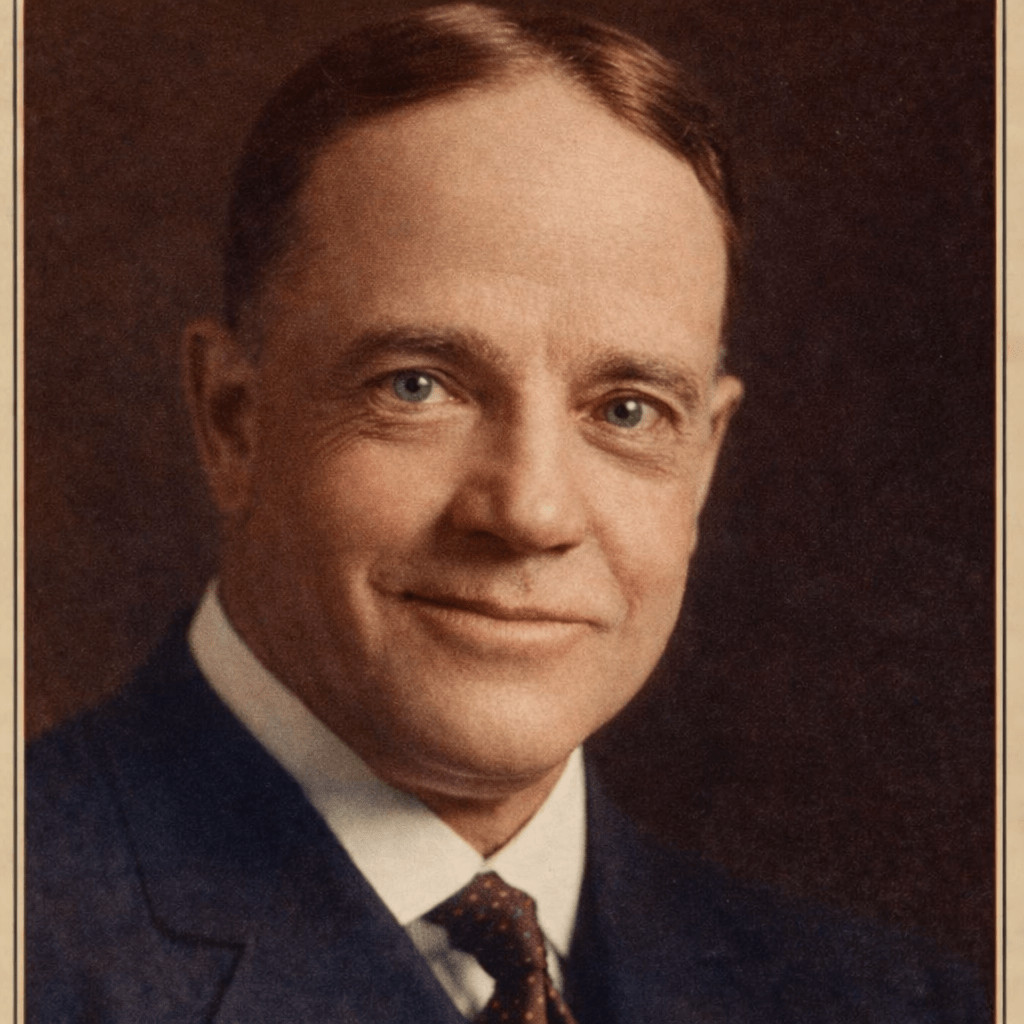
The press block used to print Sunday’s image during this period—now in my collection—reflects that growing sophistication. By 1909, Sunday was no longer improvising revivals. He was executing them.


Did Marshalltown “Underperform”?

One skeptical paper, the Davenport Weekly Democrat and Leader, suggested that Marshalltown’s results did not compare favorably with Fairfield, Ottumwa, Muscatine, and Decatur.

On the surface, that seems correct.
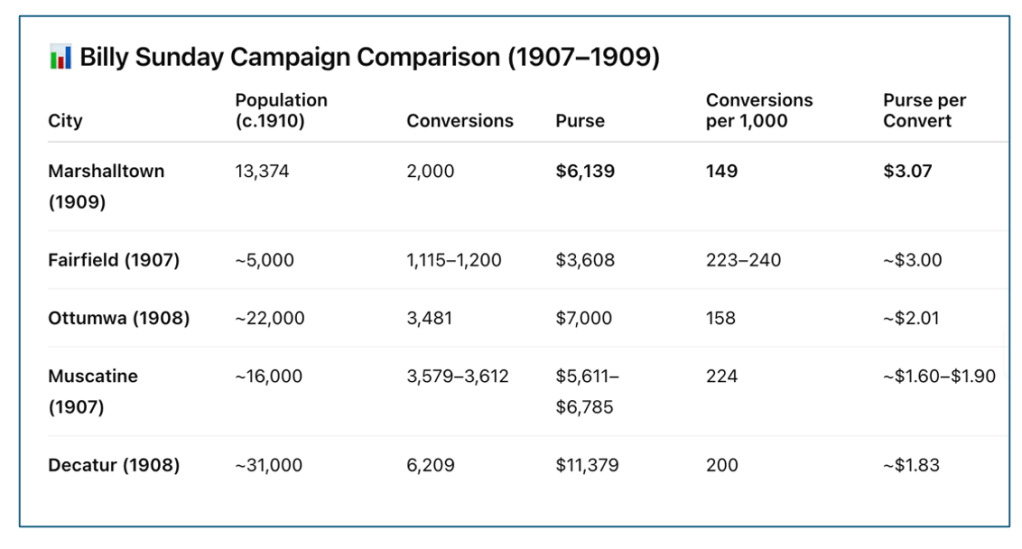
Measured per capita:

  • Marshalltown: ~149 converts per 1,000 residents
  • Fairfield: over 220 per 1,000
  • Muscatine: about 224 per 1,000
  • Decatur: around 200 per 1,000
  • Ottumwa: about 158 per 1,000

In raw totals, Marshalltown trailed Muscatine (3,579–3,612), Ottumwa (3,481), and especially Decatur (6,209).

So yes—the numbers were not dominant.

But numbers alone miss something important.


The Press: Praise and Pushback

The reaction was revealing.

The Audubon Republican declared the meetings closed in a “blaze of glory.” It reported over 500 cottage prayer meetings and said the town had been “thoroughly stirred up.”

The Marshalltown Evening Times-Republican went further, calling Sunday:

  • “One of the splendid prophets of the elder time…”
  • “One of the greatest revivalists in existence.”
  • “One of the plainest, simplest and happiest of men…”

Meanwhile, the skeptical Davenport Weekly Democrat and Leader offered sharper commentary. It described Sunday as a “contortionist of uncommon ability” with “remarkable versatility,” while acknowledging the “magnetic power of Mr. Sunday.”

Its most fascinating observation was psychological:

“The psychology of it all is that the people who are not regular attendants at churches must be reached not as individuals but in mass. They like to be moved by each other; and it is probable that this explains the success Mr. Sunday attains. He is helped greatly by the excitement and the enthusiasm of the crowds…”

That critique reads today like an astute analysis of mass evangelism. It wasn’t merely preaching. It was momentum. Atmosphere. Collective energy.

Sunday understood something about crowds that many pastors did not.


What Marshalltown Really Proved

Marshalltown was not Sunday’s most explosive campaign numerically.

But it demonstrated something perhaps more important in 1909:

  • Massive attendance penetration in a modest city
  • Financial stability and strong committee structure
  • Organizational maturity (over 600 total meetings)
  • National press attention—positive and critical

Marshalltown proved that Sunday could saturate an entire city.

Critics were talking. Admirers were praising. Nearly 200,000 attendances in six weeks ensured that no one in town was untouched by the revival’s presence.

He was no longer just holding meetings.

He was creating civic events.


A Blaze of Glory

The revival closed the way many Sunday campaigns did—intense, loud, emotional, decisive. A blaze of glory.

Marshalltown may not have produced the highest per-capita conversion rate of his Iowa stops. But it stands as a revealing moment in his rise.
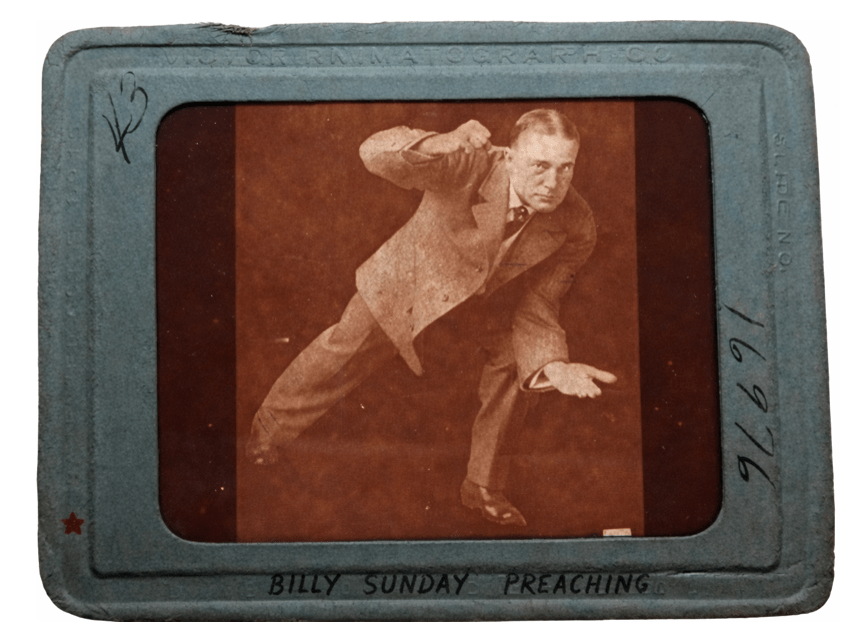
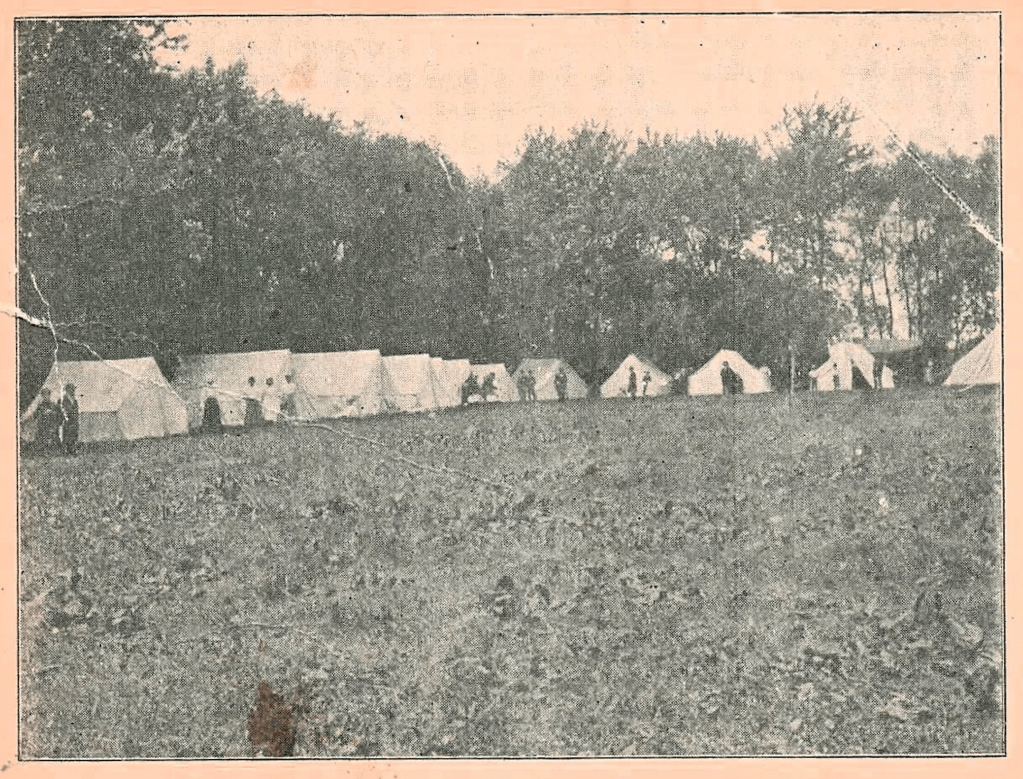
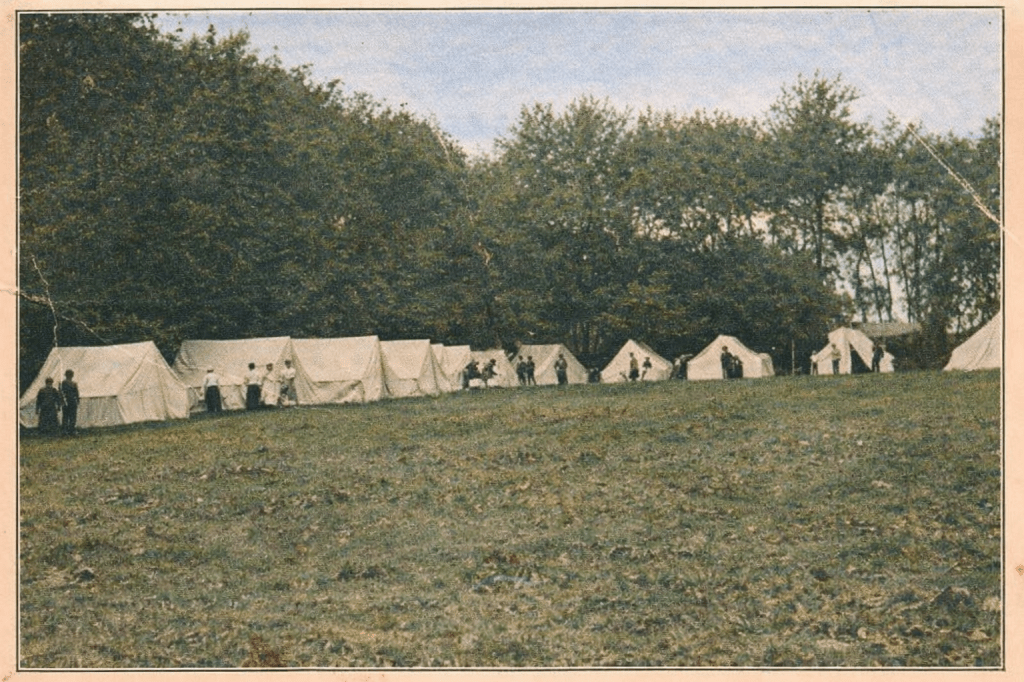
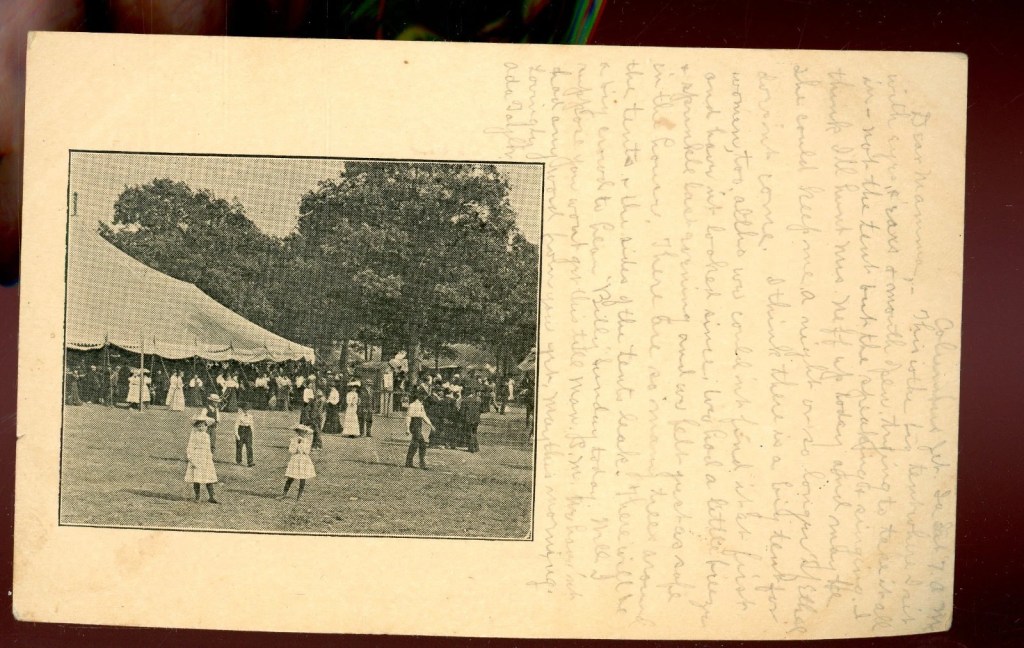
Magic lantern slide. Author’s collection.

By 1909, Billy Sunday was refining his method. The tabernacle system was humming. The prayer networks were mobilized. The press was watching closely.

And Iowa—his Iowa—was watching one of its own step onto a larger stage.

Marshalltown mattered because it showed that Sunday’s machine worked not just in isolated bursts, but in sustained, organized, city-wide saturation.

For a hometown son, that was no small thing.
Billy Sunday’s Own Account of His Conversion (1902)

“Lord, If You Ever Helped Mortal Man…”

One of the things I love most about researching Billy Sunday is when we can let him speak for himself.

Tucked inside The founding of Pacific Garden Mission: over thirty-five years contribute to the Master’s service by Sarah D. Clarke is a brief autobiographical sketch written by Sunday in September 1902. It is not polished theology. It is not retrospective myth-making. It reads like a man remembering the night that changed everything.

He begins with Chicago.

“Fifteen years ago one Sunday night I walked down State street, Chicago, in company with several baseball players… We entered a saloon, drank, and passed on to the corner of State and VanBuren…”

Then something happened.

A small band from Pacific Garden Mission was singing on the street. Sunday sat on the curb and listened.

“I had heard those songs from mother back in Iowa, in the Methodist Sunday School in Ames, Iowa, and God painted on the canvas of my memory the scenes and recollections of other days and faces. I bowed my head in shame and the tears rolled down my cheeks like rivers of water.”

The song that broke him was “Where is my wandering boy to-night.”

Col. Clarke invited the men to the Mission. Sunday’s response was immediate:

“I arose and said, ‘Boys, good-by, I’m done with this way of living.’”

That sentence is vintage Sunday. Abrupt. Decisive. No hedging.

But what follows is equally revealing.

The next morning, newspapers reported his church membership. He dreaded facing his teammates. He confessed:

“I would rather have faced a six-shooter…”

Yet when he arrived, the first to greet him was Mike Kelly.

“With a heart as tender as a woman’s… he took me by the hand and said: ‘That’s a grand thing to do, “Bill.” If I can help you let me know.’”

Cap Anson, Ed Williamson, Fred Pfeffer, Jno. Clarkson, Tom Burns, Dalrymple — they all encouraged him. And if they swore in his presence, “they would immediately ask my pardon.”

This detail matters. It corrects the caricature. Sunday did not convert in isolation from the baseball world. He converted in it.

Then comes one of the most famous episodes of his early testimony — the Detroit game.

Bottom of the ninth. Two out. Men on second and third. Charley Bennett at bat.

“I offered up a prayer and said, ‘Lord, if You ever helped mortal man, help me get that ball.’ I leaped the bench, looked over my shoulder, threw out my hand and the ball struck and stuck. The game was ours.”

Then the line that perfectly captures Sunday’s theology-by-experience:

“I am sure the Lord helped me catch that ball. This deduction may not be according to theology, but it’s according to experience.”

That is pure Billy Sunday — unfiltered, confident, experiential, unapologetic.

After baseball, he attended Northwestern University “where I picked up some Methodist enthusiasm and vim to counteract the stiff, staid Presbyterianism.” That phrase alone tells you how he would preach for the next thirty years.

He left professional baseball, became assistant secretary of the Chicago Y.M.C.A., then joined Rev. J. Wilbur Chapman in evangelistic work. Of Chapman he writes:

“All I am today as an evangelist I owe to Dr. Chapman and to Prof. R. R. Lloyd… with whom I studied privately.”

Notice that. Sunday never claimed to be self-made. He acknowledged formation, mentorship, study.

This 1902 piece is significant for another reason. It predates the massive tabernacles, the sawdust trails, the millions who would hear him preach. It shows us Sunday before the fame hardened into legend.

What do we see?

  • A mother’s hymns remembered.
  • A curbside conviction.
  • Public courage in a locker room.
  • A prayer in right field.
  • A man mentored, trained, and sent.

If you want to understand Billy Sunday, start here.

Not with the headlines.

Not with the critics.

Not even with the later statistics.

Start on a Chicago curb, with a baseball player weeping while a gospel song drifts through the night air.

And listen to him say it himself:

“Boys, good-by, I’m done with this way of living.”

Adapted from: The founding of Pacific Garden Mission : over thirty-five years contribute to the Master’s service / by Sarah D. Clarke

When Springfield Stood Still: Billy Sunday’s 1909 Earthquake

Springfield, Illinois
February 26 – April 11, 1909

In the spring of 1909, something happened in Springfield that people would talk about for decades.

Not a political convention.
Not a legislative battle.
A revival.

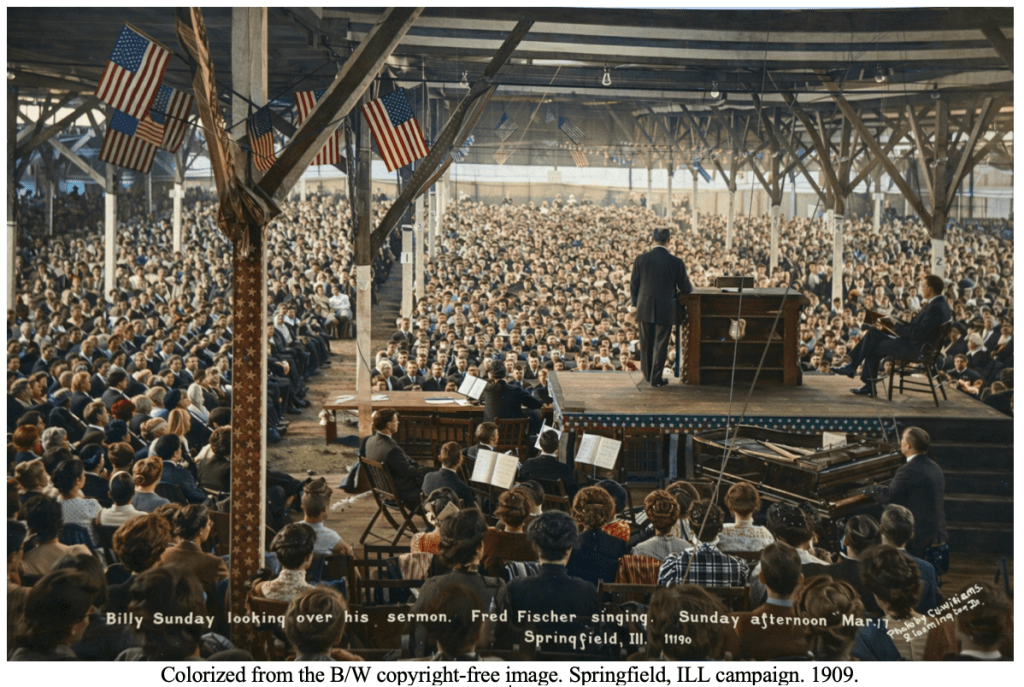
For forty-five days, the capital city of Illinois — population 51,678 — was overtaken by a wooden tabernacle, a former professional baseball player turned evangelist, and what many believed was a visitation of God.

By the time it ended, nearly 5,000 people had walked the sawdust trail.

And Springfield would never quite be the same.

The Numbers — and the Scale

The statistics alone are staggering.

  • 4,729 reported conversions
  • 774 converts on the final day alone — the largest single-day total of Sunday’s career to that point
  • 607,000 total attendance over the course of the campaign
  • 35,000+ at the final Sunday service
  • $20,218 in total contributions
    • $10,734 to Sunday
    • $9,483 to campaign expenses

To put this in perspective: Springfield’s population was just over 51,000. Attendance over the campaign equaled more than twelve times the city’s population.

One hundred thousand people attended special weekday meetings.
35,800 participated in cottage prayer meetings.

This was not a tent revival on the fringe of town.

This was the town.

Even Governor Charles Deneen and members of his family were reported among the converts on the closing day, joining First Methodist Episcopal Church . When the governor walks the aisle, you know something seismic is happening.

And yet, remarkably, Billy Sunday himself was reportedly disappointed with the conversion numbers. He believed “personal work was not begun early enough.”

That was Sunday. Five thousand souls, and he still thought the church could have done more.

The Night Billy Was Horsewhipped

The campaign did not begin quietly.

On opening night, in front of 8,000 people, Sunday was assaulted.

A man named Sherman Potts rushed forward with a buggy whip and struck Sunday multiple times. The audience teetered toward panic. Women wept. Children screamed. Sunday leapt from the platform and knocked his assailant down. They rolled in the aisle before ushers and police subdued the attacker.

The papers reported that Potts had previously been declared insane and had been confined at Jacksonville. He claimed he acted in defense of women’s virtue, alleging that Sunday had criticized them.

What could have ended the revival instead amplified it.

Fred Fischer directed the choir to sing, calming the crowd. The meeting continued.

Springfield had just witnessed the kind of drama that headlines love — and revivals sometimes ride.

The “Judgment” Sermon and the Men

On one Sunday afternoon, 8,000 men packed the tabernacle to hear Sunday preach what was described as his “judgment” sermon.

Three hundred men responded.

Sunday’s masculine appeal — direct, confrontational, athletic — was reshaping revival culture. This was not sentimental religion. It was muscular, public, civic.

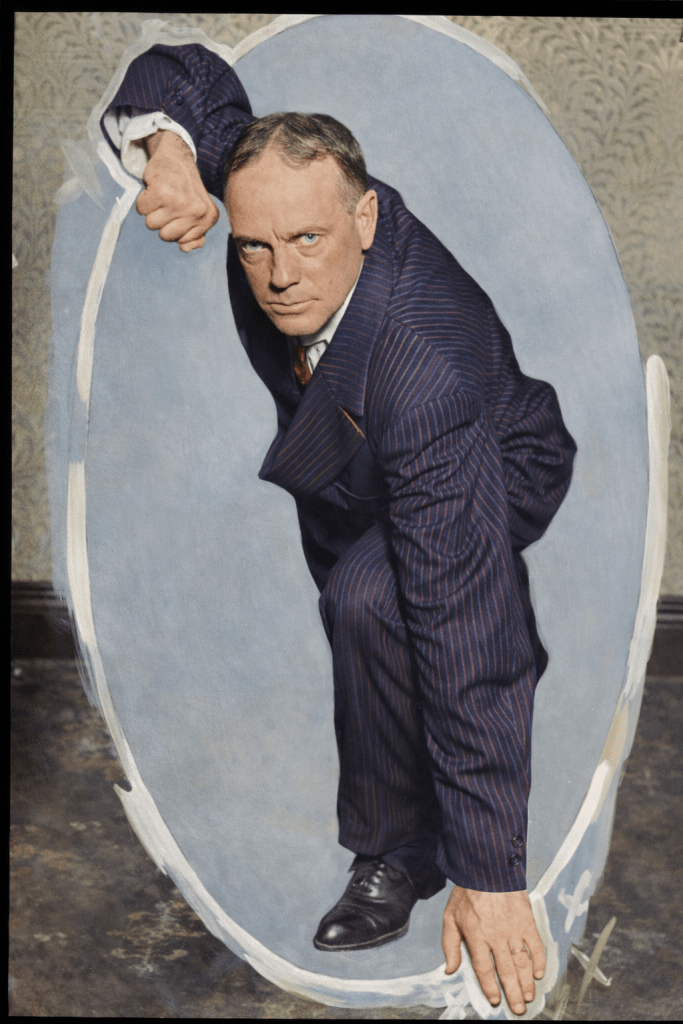
He preached like a ballplayer sliding into home — coat off, body leaning, words cutting.

And men came.

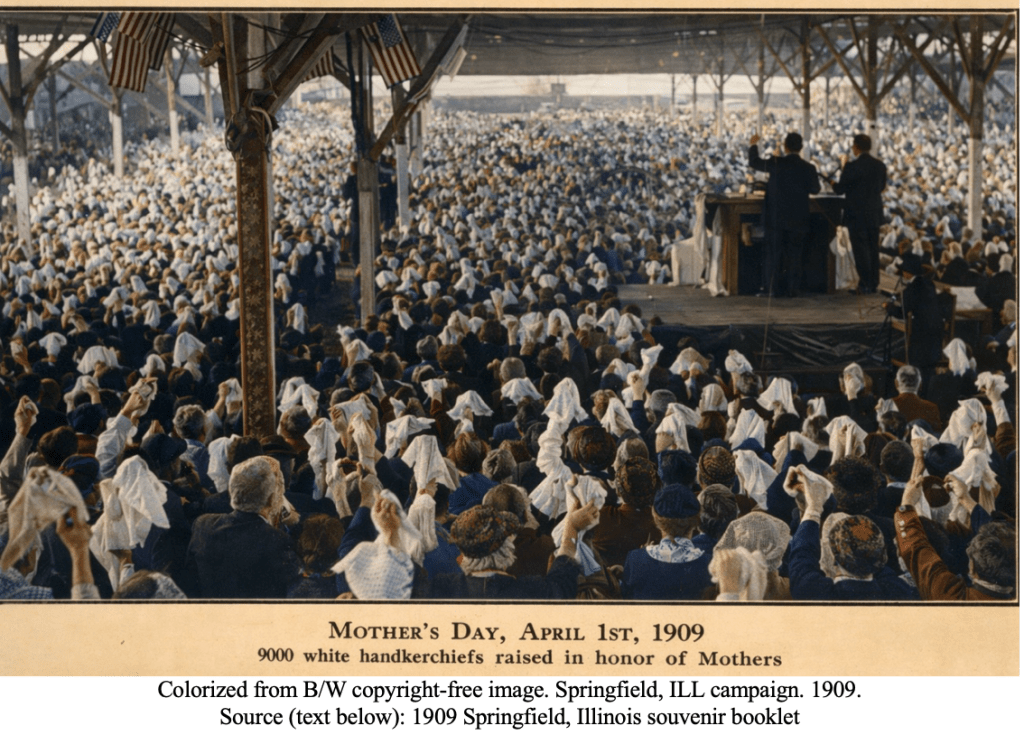
Mother’s Day: 9,000 White Handkerchiefs

One of the most remarkable moments came on Mother’s Day.

Sunday requested that every person wear a white flower or ribbon in honor of mother. If your mother was alive, do her an act of kindness. Write her. Telegraph her. Give her a gift. If she was gone, do something kind for someone else’s mother.

He invited businessmen to close their stores from 2–4 p.m. and pledged that an offering would go to the Woman’s Club for distribution to city charities.

Then it happened.

Nine thousand white handkerchiefs rose in the air in honor of mothers.

In an era before official federal recognition of Mother’s Day, Springfield became a tableau of white cloth and public gratitude.

It was revival fused with civic virtue. Sunday understood symbolism.

Inclusion: Deaf Mutes and Interpreted Sermons

Another remarkable feature of the campaign was the regular attendance of a large group of deaf men from Jacksonville.

Professor Frank Reed, Jr., of the State School interpreted Sunday’s sermons. Reports indicate that between thirty and forty deaf attendees were converted during the Springfield meetings .

When the offering was taken, the deaf men gave ten dollars — a meaningful sum in 1909. Sunday seized the moment: If men who could not hear a word of what I say were contributing to this extent, what ought some of you fellows down there do who hear it all?

That’s classic Sunday — sharp, public, convicting.

The Ushers, the Machinery, the Organization

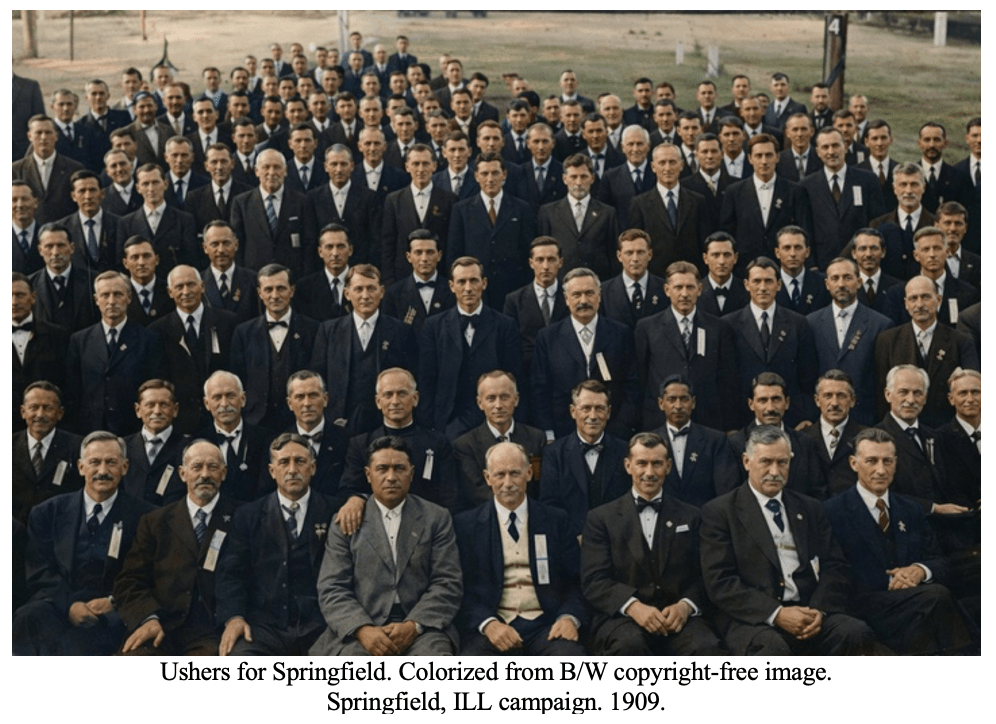
Photographs from the campaign show massive ranks of ushers — disciplined, suited, organized.

Springfield was not spontaneous chaos. It was structured revival.

This was the era when Sunday’s campaigns became logistical marvels:

  • Massive wooden tabernacle
  • Coordinated prayer meetings
  • Choirs
  • Personal workers
  • Cottage gatherings
  • Financial accountability

The revival was both spiritual movement and operational achievement.

Sunday was not merely a preacher. He was building a machine.

“A Good and Great Man”

After the campaign, C. C. Sinclair, pastor of Stewart Street Christian Church, offered this assessment:

“A good and great man, mighty in word and in deed; a prophet, and more than a prophet… The church has been purged and strengthened, and Springfield is being turned to God. It is such a revival of religion as comes to a community but once in a generation.”

That language is not casual.

Once in a generation.

Springfield’s churches reported strengthening and purging — language that suggests repentance within the church as much as conversion outside it.

Revival, for Sunday, was not merely altar calls. It was institutional recalibration.

Why Springfield Mattered

Springfield 1909 was a hinge moment.

  • It proved Sunday could sustain massive attendance over weeks.
  • It demonstrated his appeal to political and civic leadership.
  • It showed that controversy could fuel momentum.
  • It fused patriotic symbolism, moral reform, and evangelical urgency.
  • It revealed a revival model scalable to larger cities.
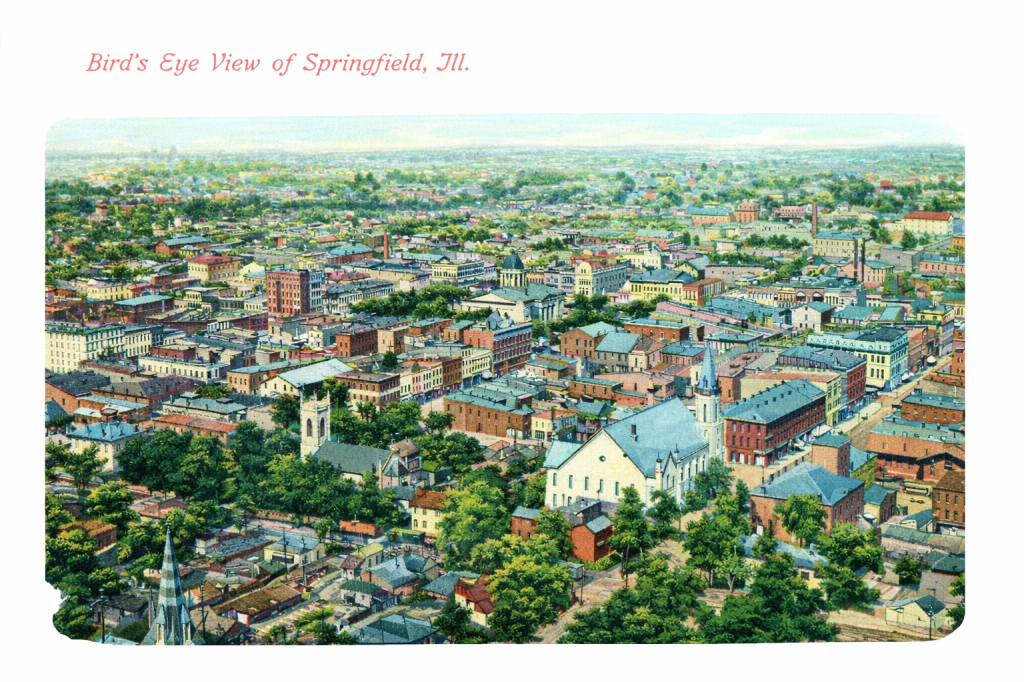
1909 postcard of Springfield, Illinois. Color-corrected. Author’s collection.

In many ways, Springfield was the rehearsal for the metropolitan campaigns to come.

And for a city of 51,000 to generate 607,000 in cumulative attendance? That’s not ordinary religious enthusiasm.

That’s a cultural event.

The Artifact That Survived

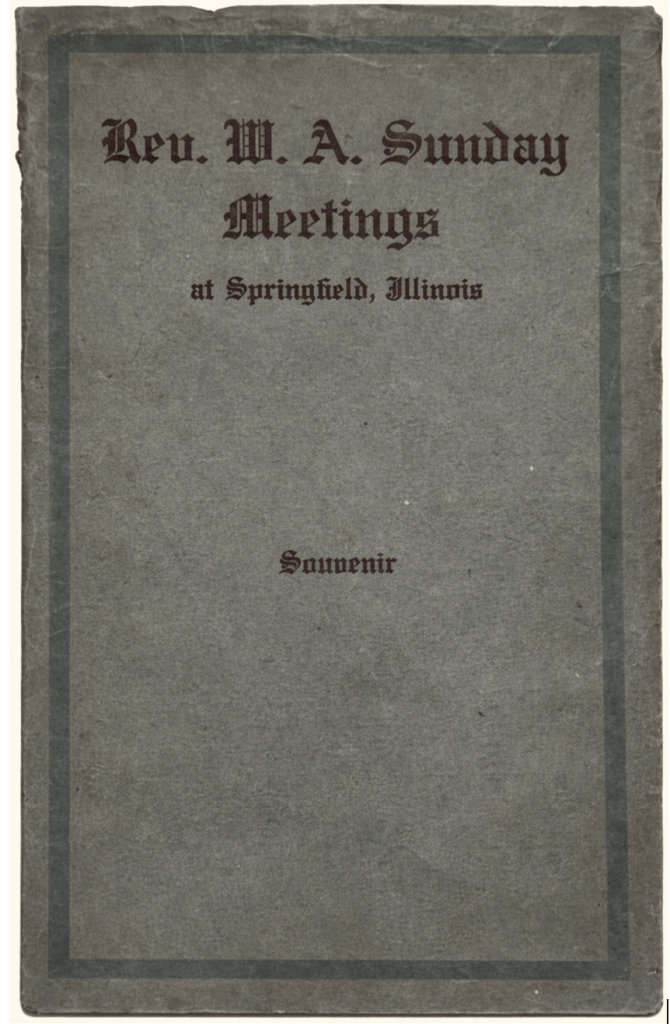
I own a 60-page souvenir booklet titled Rev. W. A. Sunday Meetings at Springfield, Illinois (c. 1909). When it arrived in November 2025, the bottom left corner throughout the entire booklet had been ripped away and was missing from the package .

It’s fragile. Imperfect. Scarred.

But so is revival history.

What Springfield experienced in 1909 was messy, dramatic, organized, emotional, public, controversial, generous, patriotic, and deeply evangelical.

It was America before the Great War.

It was Protestant civic religion at full throttle.

It was Billy Sunday in ascent.

And for forty-five days, Springfield stood still —
while thousands walked forward.

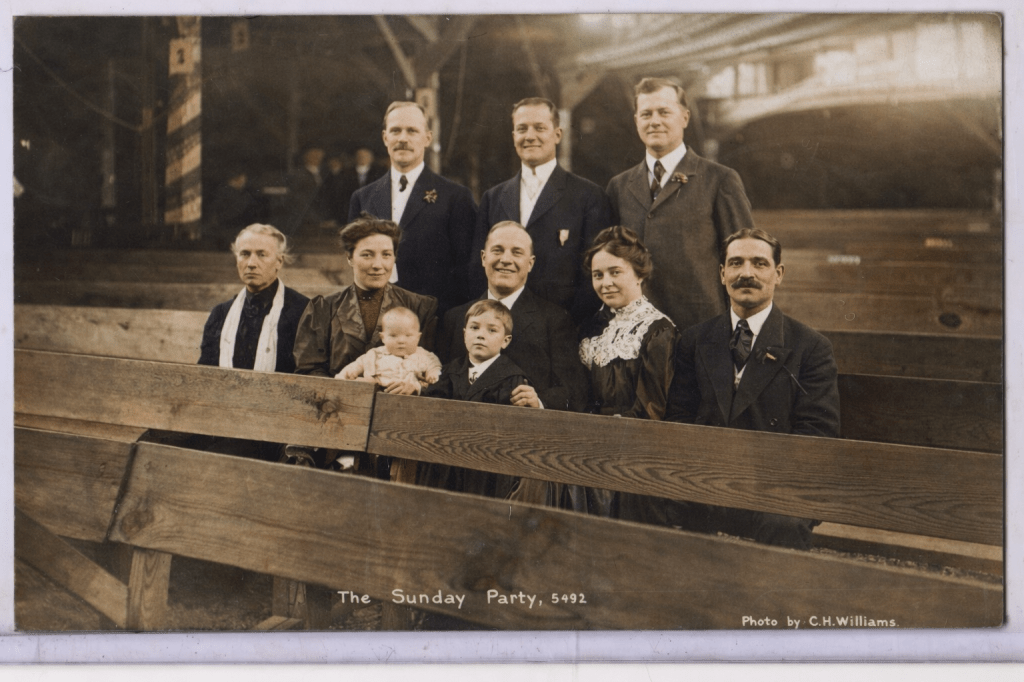
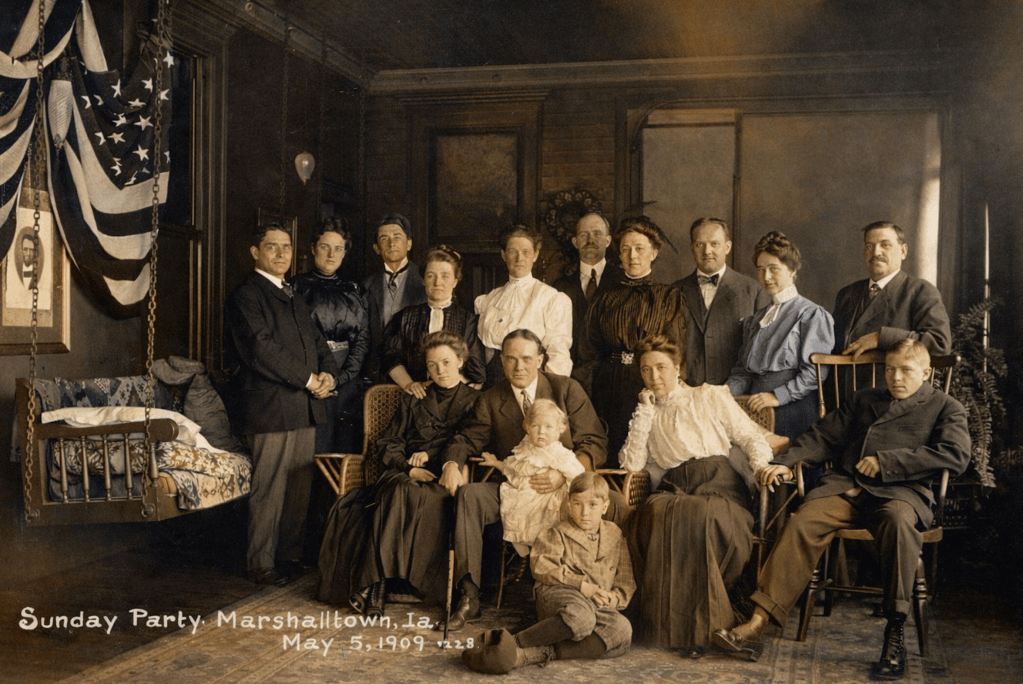
The Billy Sunday Party, C. 1909 – Marshalltown, Iowa

Billy Sunday Comes to Marshalltown (April–May 1909)

In the spring of 1909, Marshalltown, Iowa was transformed into a revival center that drew crowds from across the region and left a lasting mark on the community.

Billy Sunday’s campaign ran from April 25 through May 29, 1909, with the tabernacle standing as the visible heart of the movement. The vast wooden structure dominated the landscape, and every night it filled with singing, testimony, and Sunday’s electrifying preaching.

The opening night on Sunday, April 25 set an extraordinary tone.

Newspapers reported that 12,000 people attended the very first day, even though the tabernacle’s seating capacity was only 5,000. The crowd spilled out around the building, filling the grounds, streets, and nearby areas. Trains brought visitors in, local families rearranged schedules, and the entire town seemed to pulse with anticipation.

Sunday’s preaching style was unmistakable: plain-spoken, forceful, and vividly illustrated. He mixed humor, athletic imagery, moral urgency, and heartfelt appeals for personal decision, holding massive audiences in rapt attention night after night.

The campaign did not slow down.

By the final day on May 29, Sunday preached to 13,200 people, an even larger crowd than opening night. That evening, 125 people walked the “sawdust trail,” publicly committing their lives to Christ.

But the revival was far more than a handful of large meetings.

According to newspaper accounts, there were 84 separate services held inside the tabernacle alone. Beyond that, the spiritual energy of the campaign spilled into the wider city: another 528 meetings took place in churches, homes, schools, and gathering places throughout Marshalltown.

The numbers are staggering for a town of its size.

Total attendance across the six weeks reached 199,300 people. This figure included repeated attendance by many locals as well as visitors from surrounding towns and counties.

Total collections for the campaign amounted to 12,894 dollars — a substantial sum in 1909. From this, Billy Sunday personally received 6,500 dollars for himself and his team, with the rest covering the costs of running such a massive operation.

Newspapers also reported that approximately 2,000 people made professions of faith over the course of the campaign. Local pastors later testified that many of these converts joined churches and became active participants in community life.

Marshalltown formally closed the revival on June 6, according to the Freeport Weekly Standard, marking the end of one of the most intense religious seasons the city had ever experienced.

What makes Marshalltown especially significant in the story of Billy Sunday is not just the scale of attendance, but the depth of community involvement. This was not a series of isolated sermons; it was a town-wide movement that reshaped schedules, united churches, and focused public attention on moral and spiritual questions for weeks at a time.

For six remarkable weeks in 1909, Marshalltown was not simply an Iowa town — it was a crossroads where tens of thousands encountered the passionate message of America’s most famous evangelist.

Long after the tabernacle came down, people remembered that spring as a moment when their city stood at the center of something larger than itself.

Billy Sunday in Bellingham, Washington: Six Weeks that Stirred the City (April–May 1910)

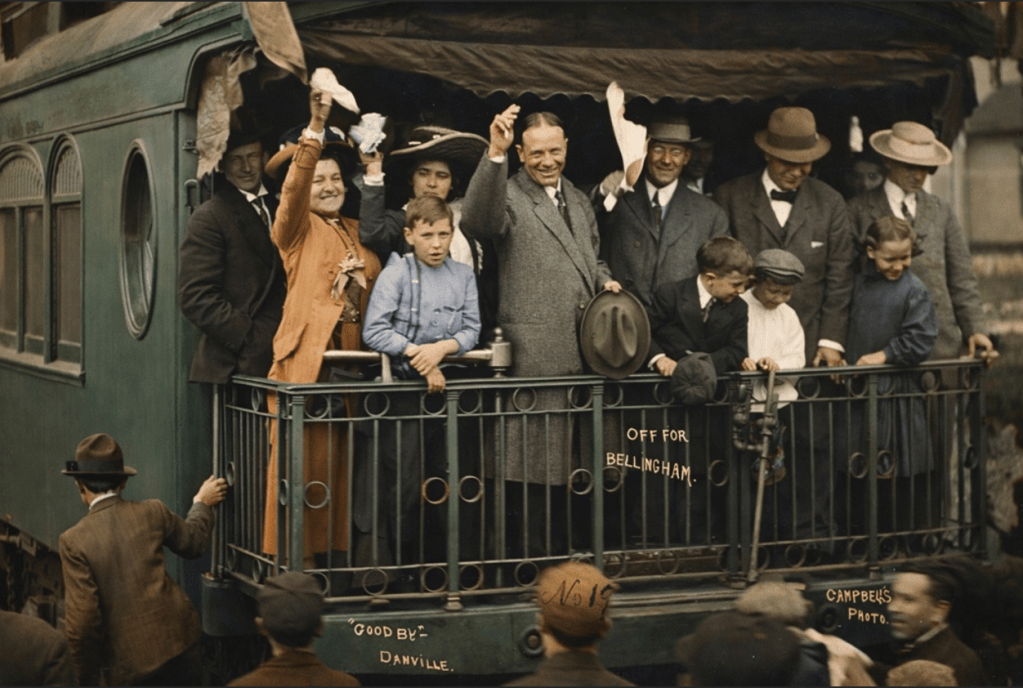
After wrapping up in Danville, Illinois (early April 1910), Billy and his family left for
Bellingham aboard a train.

When Billy Sunday arrived in Bellingham, Washington, in the spring of 1910, the city knew something significant was about to happen.

His campaign formally began on April 17, 1910, and was scheduled to run for six weeks through May 29. Even before the opening service, anticipation was high. On April 16, The Bellingham Herald placed the coming revival on the front page, signaling that this was not just another religious meeting but a major civic event.

From the start, the campaign drew extensive attention. Local and regional newspapers covered Sunday’s meetings with unusual depth and frequency. By May 2, The Seattle Star was featuring the revival prominently on its own front page, evidence that Sunday’s influence extended far beyond Bellingham into the broader Pacific Northwest.

One of the most remarkable days came on Sunday, May 1. That evening, approximately 15,000 people crowded into the tabernacle and surrounding grounds to hear Sunday preach. The turnout was stunning for a city of Bellingham’s size at the time. Collections that day totaled $3,201.10, a substantial sum in 1910, reflecting both the generosity of the crowd and the financial scale of Sunday’s campaigns. That same service also recorded 140 conversions, showing that this was not merely spectacle but a movement that claimed measurable spiritual results.

Interest in Sunday’s work went beyond daily newspaper reports. On May 8, The Bellingham Herald devoted magazine-style coverage to the revival, suggesting that the meetings had become a defining moment in the city’s public life rather than a passing event.

Perhaps the most revealing glimpse into Sunday himself came from an interview published in The Daily Herald of Everett on May 18 under the title “Billy Sunday: His Methods, His Ideas and His Work.” In it, Sunday rejected the idea that his success came from showmanship or gimmicks. He explained his approach in characteristically plain terms:

“I haven’t any tricks. I’m just an old-fashioned preacher. I tell people in plain words the simple truth, that they are lost in sin and need salvation. I just preach the Bible – that’s all.”

That statement captures the heart of his appeal in Bellingham. He did not present himself as a social reformer, a political activist, or a religious entertainer. He came as a straightforward revival preacher who believed that the Bible, clearly proclaimed, could still change lives.

By the time the campaign concluded on May 29, Bellingham had experienced six weeks of intense preaching, packed crowds, and sustained public attention. For many residents, these meetings likely became a defining memory of the year 1910—a season when their city was temporarily at the center of a national religious movement.

The Bellingham campaign illustrates why Billy Sunday was such a powerful figure in early twentieth-century America. He could command enormous crowds, attract front-page coverage, inspire generous giving, and still insist that his effectiveness rested not on method but on message. In Bellingham, as in so many other cities, Sunday left behind not just statistics, but stories of a community stirred by revival.