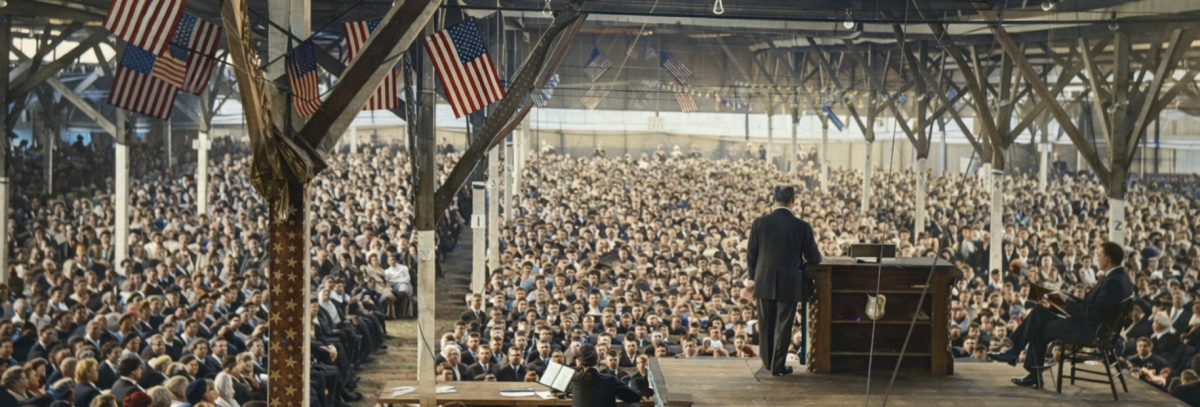
HIT TYPEWRITER KEYS FOR PASTOR; THEN “HIT TRAIL”

Cited from: The Philadelphia Evening Public Ledger. January 2, 1915:3.

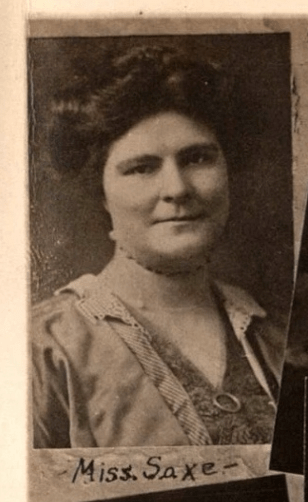
Miss Grace Saxe, “Billy” Sunday’s Prayer Meeting Organizer, Tells of Her Conversion.
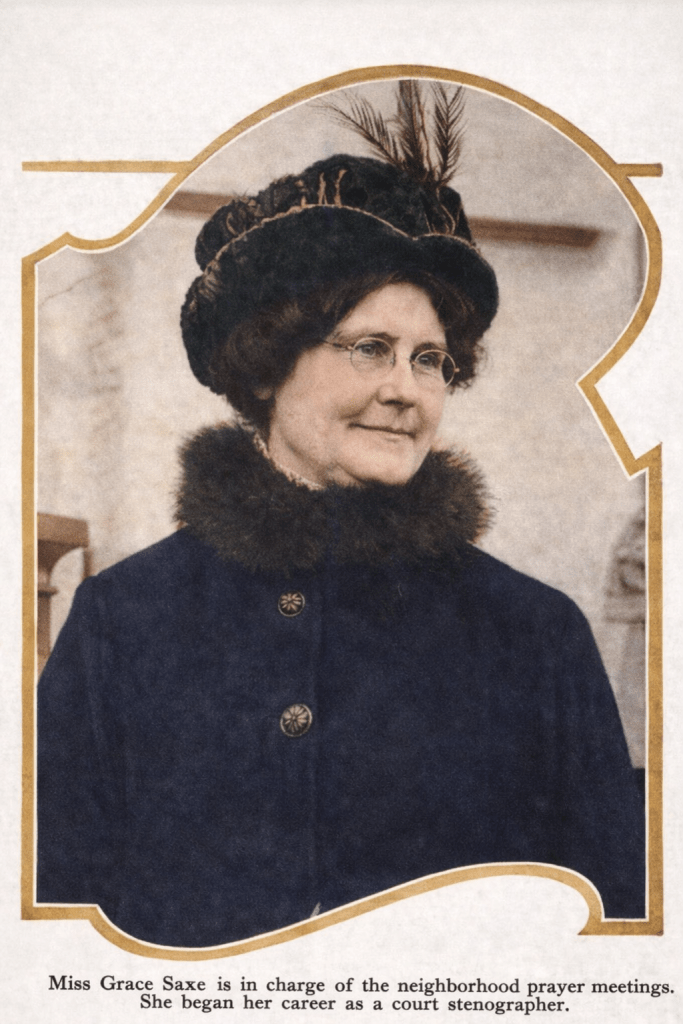
“Billy” Sunday’s right-hand woman, whose other name is Miss Grace Saxe, is just as much a woman as though she didn’t hold one of the most important positions in the whole Sunday organization, a position which might make even a man forget all else but the responsibilities of his work.

For one of the very first things she did on arriving in Philadelphia several days in advance of the opening of the campaign was to launch forth on an energetic shopping tour.

“I simply had to have some pretty clothes to wear, to conduct my meetings,” she said, smiling nervously, at “Billy” Sunday’s home, 1914 Spring Garden street, happy, but exhausted, at the termination of her first work in Philadelphia.

Miss Saxe is the person whom Mr. Sunday has selected for the very vital work of organizing the neighborhood prayer meetings in the various cities where the revivals are conducted, and it is her particular duty to bring religion into as many of the private homes as she can possibly get into touch with and to make it a permanent factor of those homes.

“Our work would be a very poor thing indeed,” she said earnestly, “if we worked at these people up to a state of high religious fervor only to let them drop back again and cool off soon after the campaign was over.”


TELLS OF HER CONVERSION

“Although the revivals have not yet started, I cannot help feeling that the way Philadelphia has received us has been nothing short of magnificent. Already 5000 homes have been thrown open to these prayer meetings and more than 15,000 volunteers have come forward and signified their intention of fostering these meetings permanently and keeping the spirit of Christ in the home indefinitely.

“One phase of the work that I am particularly interested in is teaching people how to read the Bible. There are many who have a great desire to study the Book of God, but who do not know how to go about it, and organizing teaching, high school girls and women in city houses, into Bible classes is my chief duty.

Miss Saxe’s career has been an interesting one. Born in Iowa, she “entered” St. Louis to accept a position as court stenographer, and it was while she was energetically hitting the keys in the city that something occurred which, to use her own expression, “made her see the light.”

“Up until that time,” she said, a little shamefacedly, “I was rather an unregenerate creature. I used to come to town in Lyons, Dr. A. B. Simpson came to town and I was engaged to go and take down in shorthand a series of his lectures. There were about ten of them, and in addition to having to hear them I also had to go all over them again, transcribing them on the typewriter.


“TURNS DOWN” ROOSEVELT

“They made me think, and soon after I began a very careful study of the Bible. Later on I was engaged to work with the Rev. Dwight L. Moody, of Chicago, and after that I traveled abroad with Torrey and Alexander. By that time the work of making a Christian out of me was completed.

“Later on I happened to be in Egypt taking a little vacation when I received a request to go up the Nile and meet Mr. Roosevelt at Luxor, there to take down some of his lectures, but I found I was spoiled for that sort of thing. I had become so interested in religious work that nothing else seemed to satisfy, and it was soon after this that I accepted Mr. Sunday’s offer to become a member of his organization, and have worked with him ever since.”

Miss Saxe has the calm, placid Madonna-like face of one who is at peace with the world and herself.

“The test of his wonderful work is in the results that he gets. Day after day hundreds of testimonials come in which show the lasting conversions that he is responsible for.

“Only the other day a man sent a letter from Waterloo, Iowa, where a revival was conducted some three years ago, saying that he was thankful for the change that had been brought about in him, that he was willing even to have his name used if other conversions might be effected thereby.

“For 30 years this Johnny Bates had been a confirmed drunkard. His wife got disgusted and divorced him, his children grew away from him and he went down into the very depths. Three years ago he hit the sawdust trail and since then has never touched a drop. He now holds a splendid lucrative position and his wife has remarried him. That is but one of the many cases which testify to the indisputably good work that Mr. Sunday is doing.”

Cited from: The Philadelphia Evening Public Ledger. January 2, 1915:3.
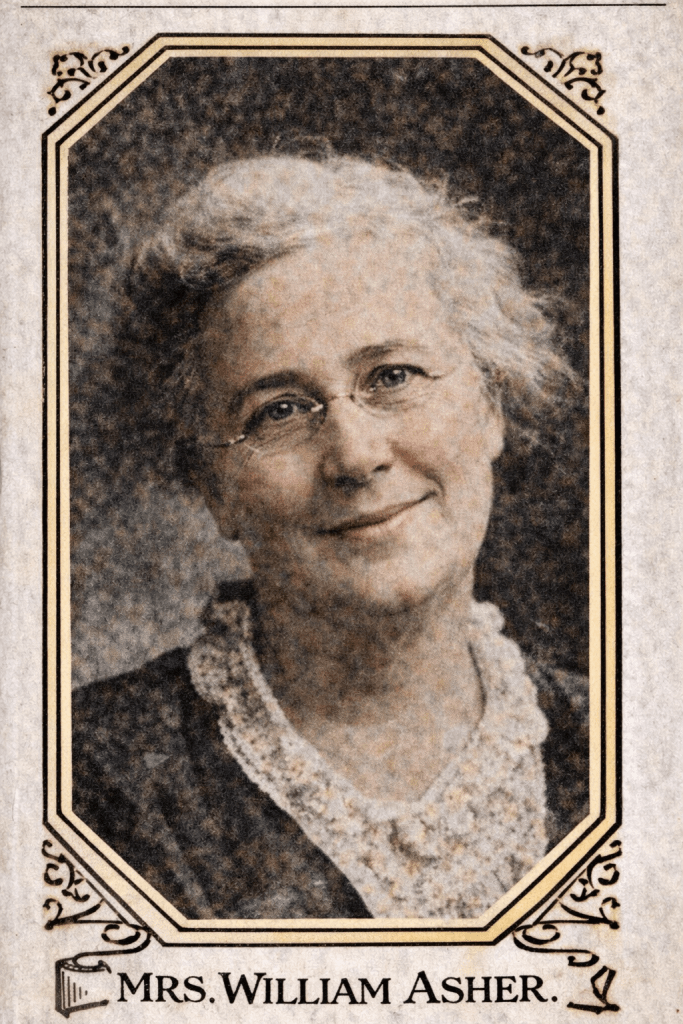
MRS. ASHER “MOTHERS” OTHERS AND LOVES ALL, c.1916

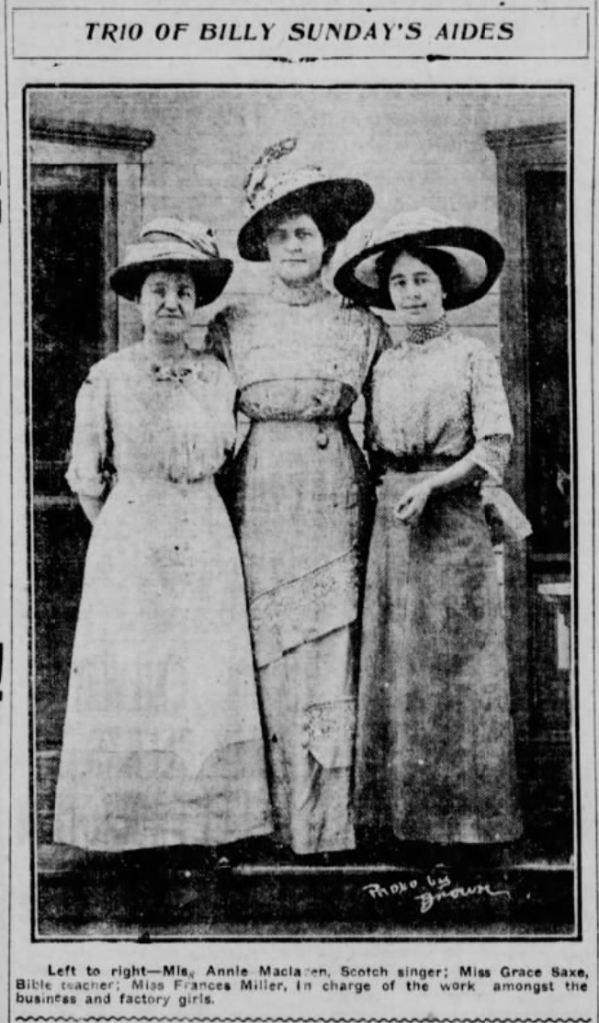
Mrs. William Asher, the director of the extension department of the business women’s work, seems to me to be just like the mother of the Sunday party—not that she is older than the rest, for she isn’t—but she has an abundance of gray hair which is now almost white and this gives her a very motherly appearance. Then her eyes, too, carry out the idea for they are heavy with pity for all of the suffering and sorrow that she has seen. It just happens that Mrs. Asher is the same age as Mrs. Sunday and everybody knows that that isn’t old. In Mrs. Ashers’ case, as in that of many persons, grief caused her gray hair, for within three months of each other her mother and her sister died.

“Yes, Mr. Asher and I and the Sundays are old friends,” she said in response to a question. “Years ago out in Chicago, which is my native city, we all worked in the same church. Mr. Asher was the assistant pastor, Mrs. Sunday was superintendent of the intermediate department of the Sunday school, and I sang in the choir and taught also. My friendship for Mrs. Sunday was cemented when her mother died. Mrs. Sunday was grief-stricken, of course. I sang at the funeral.”

Mrs. Asher not only sang at the funeral, but did all within her power to make the last days of the mother of Mrs. Sunday as pleasant as they could be.

There is no doubt that all of the members of the Sunday party have had unusual experiences and Mrs. Asher has been no exception. Practically all of her life, Mrs. Asher has been in evangelistic work. When she was a little girl of 11 years old, she was converted in the famous Moody Church in Chicago. Many persons have been converted under interesting circumstances; but few come into the church in an atmosphere such as surrounds the old Moody Church.

Years ago Mrs. Asher met and married William Asher, who was at that time a Pullman conductor on the run between Chicago and New York City. His uncle was a railroad man and had given the young man a start in life, but Mr. Asher soon realized that he was working on the wrong track. Giving up his position, he went to a theological seminary, where he studied and was ordained a minister.

It seems that opportunities in the case of Mr. Asher the opportunity came soon. DeWitt Talmage, the famous minister, needed an assistant and Mr. Asher was selected to fill this place, which he held for several years. Afterward he resigned to take up Bethel work in Duluth, Minn.

Dr. Wilbur Chapman was in Chicago conducting a religious revival one time and the Ashers became interested in his work.

“We were so interested in fact that Dr. Chapman asked and we did,” said Mrs. Asher here. “During the first five years of our connection with him we did saloon work. This was work that had been practically unattempted before. We had a little portable organ and with this we would go into the saloons and sing. We always got the consent of the owner of the saloon first before we went. The owner always understood the conditions upon which we worked. We did not do reform work, but we merely went to sing.”

“Was it very hard?” was suggested.

“Harder than you can imagine. Only those who have attempted it have any adequate idea of what it means,” she replied. Many a time Mr. and Mrs. Asher would be put out and their little organ thrown out of

This was trying work, but they stuck to it for five years, a long time for any person to spend in such a gruelling occupation. At the end of the five years they left the work, not because it was hard, but because larger opportunities for greater and more effective work offered themselves. The new work was arduous, though it did not have the hardships attendant upon it that the saloon work had. On several of Dr. Chapman’s trips around the world the Ashers accompanied him.

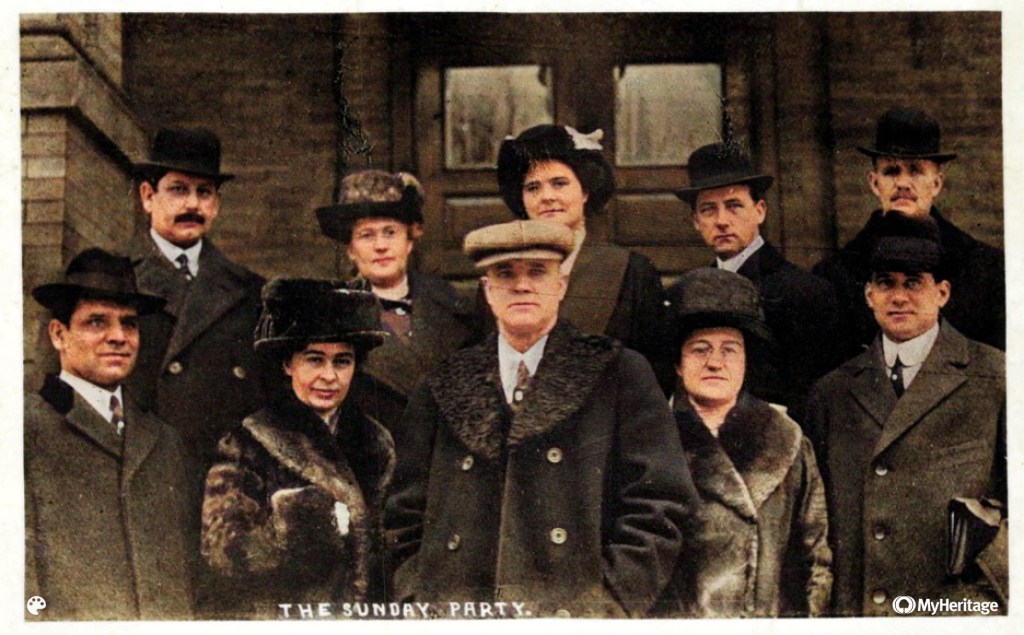
But the story of the relations with the Sundays is now the topic of perhaps greater interest. After the death of Mrs. Sunday’s mother, the bond between Mrs. Sunday and Mrs. Asher became closer. They worked together in the little church until Mr. Sunday entered upon his career as a revivalist. In 1911 they came together again and since then they have been engaged in the same work.

Mrs. Asher does splendid work among the women and girls of the factories, shops and mills and the girls grow to love her.

“We try to get the girl to realize her responsibility to herself to lead a Christian life and then to other girls around her. We want her to lead a life that will count for something in the love of those who live and work with her.”

Mr. Asher does a work that is of great value to Mr. Sunday, and of great benefit to the towns that Mr. Sunday cannot cover, and that are longing for a revival. To these towns Mr. Asher goes and conducts religious services. Just at present he is at work in Phelps, New York, although he is spending today in Trenton.

The Times (Trenton, New Jersey) · Sun, Jan 16, 1916 · Page 6 Downloaded on Mar 10, 2026

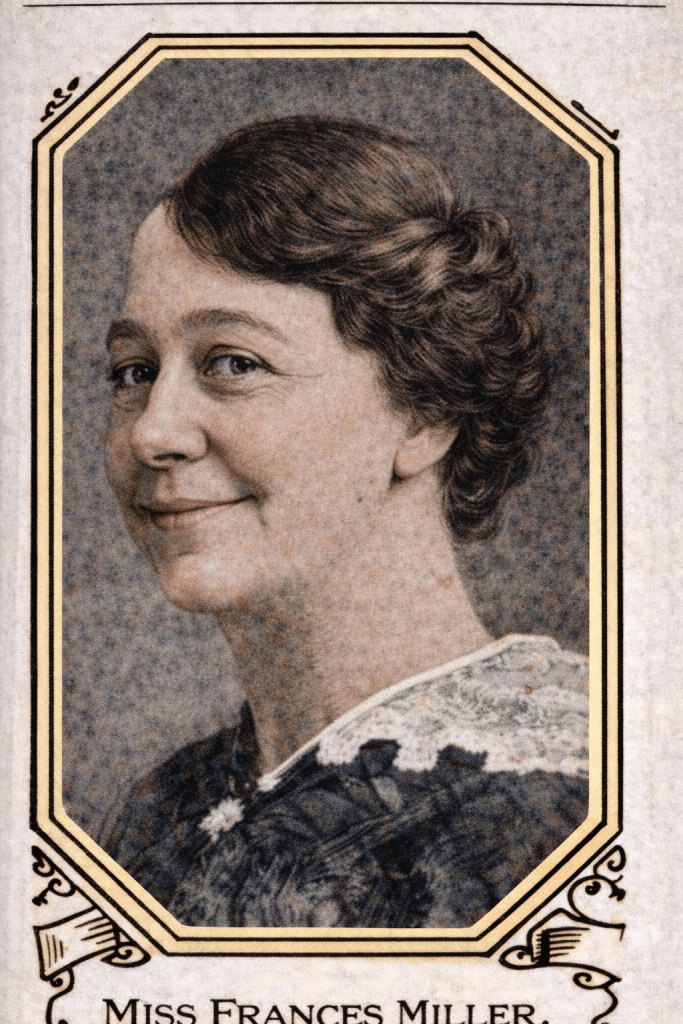
Miss Miller was once preacher on prairies, c.1916

In the world of business, men who go along with poor methods, lack of punctuality, slovenliness and all kinds of slipshod ways are regarded as “out of it,” but that idea is not so prevalent in the religious world, possibly because so many religious world workers unconsciously use these methods.

Miss Frances Miller, the director of business women’s work in the central district, uses no slipshod methods. One could scarcely meet a more hustling person in religious work than Miss Miller, excepting, of course, “Billy” himself. Some think that long association with his work has moulded Miss Miller’s naturally active temperament into the form that it now has.

Miss Miller is the youngest and oldest member of the Sunday party. Youngest in the point of years, but oldest in the length of time that she has been a member of the party. For 11 years she has been doing the work for business women that she is doing today and in that time she has become an authority in her line.

Born in the great northwest, where people just naturally have a swing and vim which those in the East don’t seem to have, she grew up in this atmosphere, and has developed all of the hustling qualities of a true Westerner.

From the standpoint of training Miss Miller is surely equipped to carry on the work which she has in charge. “I studied at the Presbyterian College in Cedar Rapids, and later graduated from the Congregational College in Fargo, North Dakota. From there I went to the Moody Institute, in Chicago,” she recently said.

There’s a kind of open secret about Miss Miller. She is an ordained minister, but she doesn’t always tell it because she thinks that if people knew that they they won’t warm up to the things that she wants them to, because they are afraid that she will preach to them. Don’t worry, Miss Miller’s preaching is something to listen to. It is her own individual brand, with a little of “Billy’s” thrown in.

After completing her religious education, Miss Miller was sent to the frontier by the Home Missionary Society, where she remained for two years. And those two years on the frontier were no joke. She had two parishes 12 miles apart from each other and each Sunday, in clear or stormy weather, she would drive from one in the morning where she preached to the other, where she would preach in the evenings.

That’s a wild black country out there, and many times she would drive for miles and never see a creature. The hardships, too, in that little circuit of hers were very severe, almost more than she could bear. After finishing two years as a preacher she came home, discouraged and feeling that the religious calling was a pretty hard one.

She hadn’t been home very long, when Dr. R. A. Torrey wanted her to assist in his evangelistic work. She refused, however, feeling that it was too much. Dr. Torrey knew a good thing when he saw though, and was not to be put off, and one day he wired to her: “Come tomorrow. I have you on the program for tomorrow morning,” and she went.

Just about 11 years ago she joined the Sunday party and has been helping business women and girls ever since. In this she has been very successful, due to the fact that she has a real message to give to the women and girls, and because of her splendid personality.

Miss Miller has a hobby. She love’s horses and almost every day in Syracuse one could see her out for her morning’s canter. Since she has been in Trenton she has not been riding, although she hopes for a gallop or two before she goes from here to Baltimore, the place of the next campaign.

The Times (Trenton, New Jersey) · Sun, Jan 16, 1916 · Page 6 Downloaded on Mar 10, 2026

MISS SAXE FAMOUS AS BIBLE TEACHER, c.1916

MISS SAXE FAMOUS AS BIBLE TEACHER

Miss Grace Saxe, court stenographer, religious press reporter for Colonel Roosevelt, writer of religious text books, Bible teacher, tourist and general favorite wherever she goes, is the Bible teacher and leader of the prayer meetings of the Sunday campaign.

One has only to talk with Miss Grace Saxe just a few minutes to feel altogether assured that she has had many interesting experiences and has gotten every possible advantage from them. She is known in many countries in Europe and is considered by many persons to be the finest Bible teacher in the world at the present time. That is no idle compliment and the people of Trenton are now having an opportunity to hear this famous woman. She has not always been in Bible work, however, for several years ago she was leading a sternuous life as court reporter in St. Louis.

About this time her interest in Bible study and Bible teaching was aroused and she went to the Moody Institute to study. The famous revivalists, Dr. R. A. Torrey and Charles Alexander, were then stirring the country with their services and Miss Saxe became interested in their work. At the close of their evangelistic work in this country she went abroad with them and assisted them for two years.

Knowing that she could tell many fascinating stories about her travels and her work, the writer asked her about them one day and had a delightful chat discussing her adventures.

“I was with Dr. Torrey and Mr. Alexander for two years,” said Miss Saxe, “in England, Ireland, Scotland, Paris and Germany. I did not teach in Germany and only taught English speaking people in Paris.”

After completing her work with the evangelists she returned to London and for two years contributed to the London Christian, the oldest religious publication in the world, a series of articles on Bible study in the Old Testament. The Old Testament by the way is of engrossing interest to Miss Saxe, and once a Jewish girl came to interview her. It happened that the girl was well versed in the Old Testament and they discussed it to the exclusion of the usual interview.

But to revert to her work. At the invitation of a friend Miss Saxe went to Egypt intending to remain only a short time traveling. Her fame as a Bible teacher had already spread far even then and the missionaries hearing that she was in Egypt prevailed upon her to hold a series of Bible classes in Cairo, Alexandria, and other missionary stations. This she did, teaching the natives by means of an interpreter.

The missionaries in Palestine had also learned of what she was doing in Egypt and requested her to come to them and undertake the same work. She accepted the invitation and taught in Palestine for two months.

“When I finished my teaching, my friend and I took a driving trip north from Jerusalem to the Sea of Galilee and to Damascus and returned by the way of Baalbeck where we stopped wherever we chose and stayed as long as we cared to. Many of the famous places mentioned in the Bible we visited and during our stay there we would read everything that the Bible said about the place.”

It may be as a result of this trip that Miss Saxe can talk so fascinatingly about the places of the Old Testament.

After rambling about Palestine in this way she and her friend returned to Egypt for a summer conference.

“It is very hot in Egypt in the summer,” she said, “and almost all the missionaries go to the coast which costs them no more than to stay in the interior. They offered to stay in the interior the summer that I was in Egypt if I would conduct a Bible class. We had, of course, no adequate place in which to hold such a course and my friend sent to London for an immense tent. This arrived and was erected and for six weeks I gave four courses of Bible study. We held not only a Bible class but really a religious revival. I talked to many natives who would come to the tent, by means of my interpreter.”

At this time Colonel Roosevelt was expected to come out of the jungle and was scheduled to make several addresses in various mission stations. The religious press of America cabled to Egypt for the missionaries to get a stenographer to take down the Colonel’s talks. Stenographers do not abound in Egypt, however, and the task was easier said than done. The missionaries knew of my work as a reporter and cabled back to know if I would go, and the message came back to go ahead. So off I started and went up the Nile farther than I would have gone if I had not been going to meet the Colonel. I arrived several days before he did. Finally he came out of the jungle and I reported all of his addresses for the religious press.”

Miss Saxe then returned to this country and about four years ago became connected with the Sunday party, and has been the director of the prayer meetings and the Bible classes ever since. It is under her management that the plan for the block prayer meetings has been worked out and at the end of each campaign she organizes as many of these groups as desire to be organized into permanent Bible classes.

She is a woman of gracious personality and becomes extremely well liked wherever she goes. She is above medium height with black hair and dark eyes. Her smile is very cordial and her manner most delightful.

Of course, no story of Miss Saxe is complete without a mention of her fondness for cats. Many persons have a pet of some kind and a kitten is Miss Saxe’s favorite of all animals. There are days, of course, when she does not see her pet at all and when he is entrusted to the mercies of some one else. The little feline leads a happy life in spite of that and is doubtless proud of being the pet of so illustrious a person.

In Trenton, this animal is “John,” a gray and white kitten, named in honor of three of the Times Staff members.

The Times (Trenton, New Jersey) · Sun, Jan 16, 1916 · Page 6 Downloaded on Mar 10, 2026

https://www.newspapers.com/image/1194099094/The Times (Trenton, New Jersey) · Sun, Jan 16, 1916 · Page 6 Downloaded on Mar 10, 2026

Frederick George Fischer, c.1909

Note: The following is from the 1909 Billy Sundat souvenir program, c. 1909.

Frederick George Fischer

Fred G. Fischer

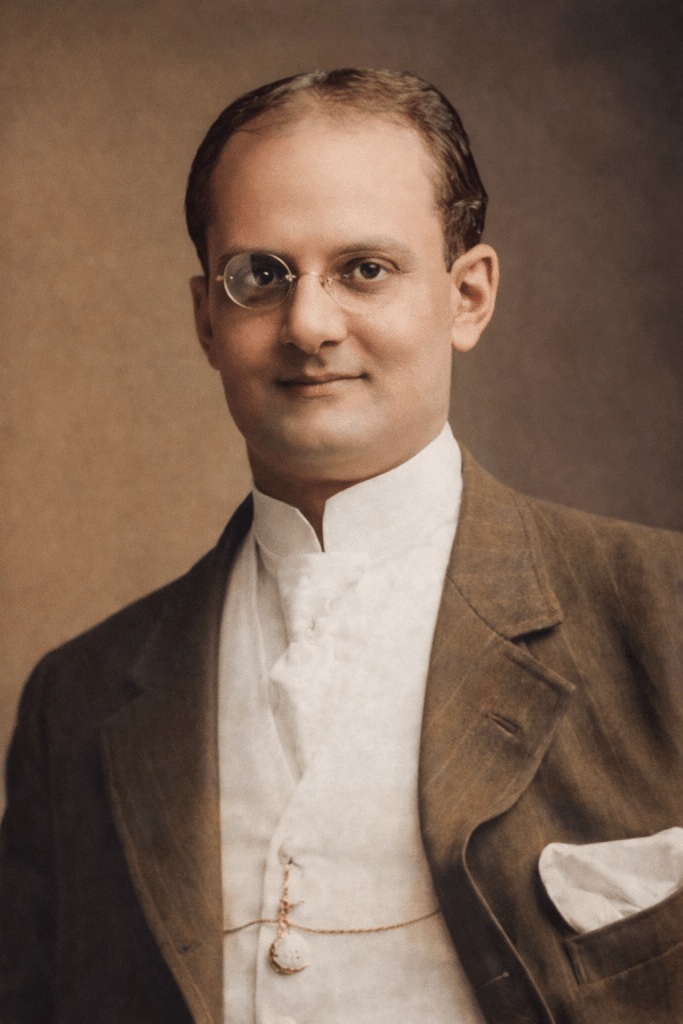
THE Rev. W. A. Sunday says that “Fred” Fischer (he always calls him by the pet name of “Fred”) is the best chorus conductor in the world. The evangelist ought to know. He has been with all the great evangelists from Moody and Sankey to Torrey and Chapman, and is acquainted with the most successful chorus leaders and soloists in the work to-day. Mr. Sunday’s high ideals of what the leader of gospel song in his meetings, at least, must approximate unto are attainable only by those who are born leaders of men. He is after results, and believes the gospel can be sung into people as well as preached into them.

He has been with Mr. Sunday nine years. That alone speaks volumes. He has qualities that wear well. He is first of all a Christian and always a gentleman. He has proved resourceful enough to stand the strain, the changes and the demands of the years. He knows what the people want and gives it to them.

When Mr. Fischer leaves a city all the choirs and congregations uniting in the meetings note the impulse of his splendid work. They want to sing. So a revival in congregational singing takes place. And every local chorus leader knows better how to conduct a chorus and what people like to sing or listen to.

Nature and art have done much for this remarkable man, but the grace of God has done more. And it is noticeable that he never allows his chorus or himself to sing for entertainment or simply to kill time. The motive which dominates Fred Fischer is responsible for the remarkable results, and stands the test of time. For no one is so cordially welcomed wherever he has been than Fischer.

Frederick George Fischer was born at Mendota, Ill., July 11, 1872. His mother, who was a sister of Peter Bilhorn, (of the well known Bilhorn Bros., publishers, Chicago) was burned to death when Fred was a year and a half old. When ten years of age the family moved to Laramie, Wyo. He entered the big moulding works in that city and became an expert mechanic in the bolts and nuts department. At eighteen he was converted in the Baptist church at Laramie, and was awakened to his inheritance, a rare voice, and to his call to a wider service, the evangelistic field. Failing sight forced the diffident young man to mention his ambition to his uncle, Peter Bilhorn, who discovering his nephew possessed a voice worth cultivating, gave Fred every advantage for its cultivation, always with the object in view of using his voice to the glory of God.

After studying voice culture under such masters as F. W. Root, Frank Webster, and W. W. Hinshaw, in Chicago, Mr. Fischer started out on the strength of his Lord’s commission “to sing the gospel to every creature.”

In January, 1900, Mr. Fischer’s chance came. He was ready in all but an adequate wardrobe. And those who have been accustomed to see the always immaculately dressed and groomed musical director since he has been with Mr. Sunday, have no idea of the struggle he had to look decent, nine years ago, when Sunday wired him to take charge at Bedford, Iowa. He split the only coat he had under the arms in his anxiety to make things go, and to show he could “deliver the goods” he knew Sunday wanted. He made good, and has kept on doing so ever since. Mr. Oliver and Fred Fischer are the only musical directors Mr. Sunday has had in his nearly seventeen years of public work.

What there is in his line Mr. Fischer knows by heart. His audiences will do what he asks them because he has a purpose in some of his strange requests. Everything Fischer does leads up to decision and service for Christ. And that is why when the invitation is given, and half his chorus will sometimes leave to work among the undecided, this modest, patient, and loyal gentleman sticks to his post, and the true reason why,—everybody loves Fred Fischer.

Women’s Wok for Women – Miss Miller (Billy Sunday’s campaign team, c.1909)

Some one has said “To make ‘soul winners’ out of church members” is the business of Miss Francis Miller with the Sunday party. Her greatest opportunity comes each afternoon at the close of Mr. Sunday’s sermon. Christians of all ages and experience gather before her on the platform to be instructed how to use the Bible in meeting the excuses and answering the questions of sinners. She is an expert in teaching how to diagnose the sinner’s heart and apply the specific Scripture remedy chapter and verse. For years she was a passive church member when a sermon on “Personal Work” by Billy Sunday opened her eyes to a great responsibility. Mr. Alexander led her into Bible study and Grace Saxe made her eager to do Bible work. She carries ordination in the Congregational church and has had experience in pastoral work. Miss Miller’s work in other places is being duplicated in Cedar Rapids.

Miss Miller’s Bible work in connection with the revivals conducted by Mr. Sunday has ripened in the school of experience. At first she came on the ground at the close of the revival and organized union Bible study classes. Experiments of this kind at Knoxville, Iowa, Kewanee and Kankakee, Ill., revealed that the work done in this way could not be made of permanent value without local leaders, which was not always available. The experiment was tried out beginning in advance of the revival. Miss Miller went to Muscatine and Galesburg two weeks before Mr. Sunday to prepare the personal workers for his coming. Later Miss Miller worked during the three last weeks of the meetings and then remained two weeks after the close to organize the local Bible class work upon a permanent basis. This was the plan pursued at Springfield where forty-five district or neighborhood Bible classes were formed with a central training class for the leaders. These classes were interrupted by the summer vacation period but the classes took up their work this fall with about one thousand members working in the various districts. A class was formed among the so-called “society girls,” the girls of leisure, in well to-do homes. They call it “The Worth While Bible Class,” and they have been aggressive in Y.W.C.A. and associated charity work. One Bible class in Springfield supplanted a card club. The girls gave up their cards for Bibles. There was no breaking up of existing social ties but a change of bonds. No new social lines were drawn but a new directive of interest was taken. Many girls who have been stimulated to take up personal work have gone to Moody Institute for training. Word comes from Boulder, Col. that sixty high school girls hold regular Bible study meetings in the high school building. Miss Miller is one of the busiest workers of the Sunday party. She meets with the home girls of leisure at 10 a.m. The fifty gathered at the home of Mrs. Frank Watson Friday may be regarded as typical; at 11:15 three days of the week she meets the Coe college girls; at 12:15 she talks about 150 high school girls at St. Paul’s M.E. church; at 3:00 holds a personal workers’ class for everybody and at 6:30 for clerks, teachers and others. Careful plans are being made to insure systematic Bible study after the close of the big revival.

The Cedar Rapids Gazette. Thu, Nov 18, 1909 ·Page 5


Miss Frances Miller

TRUE today as it ever has been, the title, “church member,” or “Christian,” are not synonymous with “soul winning.” Miss Miller, with Bible in hand, finger on chapter and verse, persuades you—yes, convinces you they should be—that they are. To make “soul winners” out of church members is her business with Mr. Sunday’s party, and she does it. Skilled herself through years of study and practice, she stands before her class of hundreds, each afternoon at the close of Mr. Sunday’s sermon and schools them to meet the excuses and questions of the sinner, not as the quack with the patent cure all, but as the trained physician who diagnoses, then prescribes. With clear, logical reasonings, deduced from Scripture, carried by a clear, far-reaching voice, she instructs how to diagnose the sinner’s heart and apply the specific Scripture remedy with chapter and verse.

Miss Miller herself was not always a soul-winning church member. For five years she was not. A church member, simply, she thinks, because she was asked to be. Reared in a Christian home, honest at heart, she was ready. When Billy Sunday, about sixteen years ago, broke the truth to her in a sermon on “Personal Work,” she surrendered to it. Mr. Alexander led her into Bible study and Grace Saxe made her want to do Bible work.

She was born in Minnesota, grew up in North Dakota, lived in Illinois, was educated in the high school at Waterloo, Iowa, and college at Fargo, N. D., and afterwards taking a two years’ course and finals in the Bible Institute in Chicago.

She spent a summer with Mr. Williams and Mr. Alexander, organizing Bible classes, etc., one of which at Vinion, Ia., still continues, and that is over ten years ago. Her first year out of college she had charge of two Congregational churches near Valley City, N. D., and later was ordained a member of the Congregational church.

Besides “personal work” classes she teaches systematic Bible study classes, special prayer meetings in Y.M.C.A., laundries, shops, high schools, etc., at times and places convenient for the many who cannot attend the regular services. Morning and afternoon she does it, conducting four or more meetings a day and plunges into the vast tabernacle in the evening hunting for someone to lead to her Christ.

Her Bible is pre-eminently a part of a great revival campaign in supplementing the preaching by preparing intelligent workers and grounding converts in the Scriptures. Thus two of the weakest spots, two chief causes of failure in modern revival work, are cared for.

The 1909 Springfield souvenir campaign booklet

Who was singer Fred G. Fischer?

Able Leader of the Singing at the Sunday Revival Meetings.

Note: This account was published in the Freeport Daily Journal in 1906.

“Without good music, without good, stirring gospel singing, an evangelistic revival campaign would not make much headway. As choir leader and singer for the Sunday meetings, Prof. Fred G. Fischer is the right man in the right place. He was born at Mendota. He is of German parentage and inherits his musical talents. Mr. Fischer is a nephew of P. P. Bilhorn, the well-known gospel singer and song writer, and promises to become as famous as his illustrious uncle. He has given all his time to the study of music since he was eleven years of age, having quite school at that age for the purpose of cultivating his artistic talent.

Fred G. Fischer

Mr. Fischer studied with Robert Webster and Deveries, the great French vocalist. At first, he began as an independent singer, going from place to place, assisting pastors wherever he found one needing his services. He was in this work when he received a letter from Mr. Sunday, who had heard his sing, and a bargain was made for the two to travel together. Mr. Fischer went to the next appointment and was there for two days conducting the meetings before Mr. Sunday came. He has been with the evangelist ever since and expects to remain with him as long as there is work to do.

Mr. Fischer was married about two years ago, and lives in Chicago. He has a good voice, and, knowing how to use it to the best advantage, has few equals in leading a choir. Possessed of fine social qualities, he has already become popular with Freeport’s musical talent.”

The Daily Journal (Freeport, Illinois) · Tue, May 1, 1906 · Page 5.

Two Objects Aim of Every Big Revival, Grace Saxe, 1914 – Symbolism of the Pentateuch

Note: Grace Saxe was the lead Bible teacher for Billy Sunday from 1911 – 1921.

Pittsburgh Post-Gazette. Fri, Jan 30, 1914 ·Page 7

Miss Grace Saxe Compares Life of Old Israelites With That of Christian Today.

There is a remarkable correspondence between the experiences of the chosen people of Israel and of the saved soul,” said Miss Grace Saxe yesterday afternoon before her Bible class in the tabernacle. Miss Saxe has begun a study of the books of the Bible, their arrangements and their significance and her class which occupies the platform at the close of the afternoon meeting in the tabernacle fills every seat. Miss Saxe said:

The symbolism of the Pentateuch is remarkable. No less remarkable is the order of these first five books. Genesis is the book of beginnings and yet before it closes it shows the beginning of the entrance of sin. Exodus is the book of redemption symbolized by the release from bondage in Egypt. Leviticus is the book of worship showing the experience of redemption. Numbers, the book of journeying the experiences of the redeemed from day to day, while Deuteronomy is the book of instruction to the redeemed, the plan of regeneration.

Note the steps from Egypt, through the Wilderness to Canaan. Egypt typifies the world, Satan’s domain; the Wilderness, the place of the unsurrendered to God, while Canaan symbolizes the spirit-filled, spirit-controlled Christian life.

We are asked where we get our authority for this comparison of the life of the Israelites and the life of the Christian. You will find it in I Cor. 10:4.

As the Israelites left Egypt and wandered for 40 years in the Wilderness there is one thing I want you to note, that when they looked back toward Egypt they longed for the fish, the melons, cucumbers, leeks, onions and garlic. Each stage of longing was lower, stronger and ranker. The picture is exact in every particular.

Every great revival has two objects. The first is to get people to obey God, to come out for Him. That is the first great crisis. The second object is to get the wilderness Christians to take a second step into the promised land, the land of Canaan, instead of wandering and drifting about. This is the second great crisis.

Miss Saxe will continue her study of the books of the Bible each afternoon at the close of the afternoon meeting. On Saturday afternoon of next week she will outline a plan for neighborhood Bible classes to continue after the close of the present Sunday meetings.

Pittsburgh Post-Gazette. Fri, Jan 30, 1914 ·Page 7

Grace Saxe’s Prayerbook, c 1911

Source – the author of this article is probably the wife to Evangelist M.B. Williams.

Grace Sax joined the Sunday team in February 191. She immediately assumed the leader of the cottage prayer meetings, as well as Bible teaching and training local churches to handle the fruit of the Sunday revivals.

The Liverpool Evening Review. Wed. Sept 18, 1912:1. Grace is in the center.

This article in a 1911 newspaper gives a glimpse of the importance of prayer to Grace.

Miss Saxe then held up little blank book which is called “Answered Prayer.”

She calls it, “A Record of the Footsteps of a Prayer Hearing and Prayer Answering God.” It is divided into four blank columns headed. First, date of asking; second, the request; third, the special promise pleaded; fourth, date when answered.

In this record she puts only the prayers which to man’s eyes it seem impossible to have answered. All of her prayers, she says, have not been answered thus far—many of them have however been answered fully.

“There are conditions to fulfill if prayers are to be answered.” These seven conditions she has in the back of her “Answered Prayer”

1. Personal condition, Psalm 66:18,

2. Forgiving Spirit, Mark 11:25,

3. Spiritual Motive, James 4:3.

4. Asking, Matthew 7:7,

5. Asking in Faith, Mark 11:24,

6. Asking according to God’s will (not to interfere with His plans) 1 John 5:14,

7. Asking in Jesus name, John 16:23. “Pray so that if it were written we could ask Jesus to sign it.”

In our prayers Miss Saxe suggests that the following should be the form of approach to God: Adoration, Confession, Thanksgiving, Supplication.

Taking the first letters of these words in order, we spell the word Acts. In Genesis 32:9-12 we find that order observed in Jacob’s prayer. In conclusion Miss Saxe suggested the reading of Andrew Murray’s ‘With Christ in the School of Prayer.’—Mrs. A. R. Williams.

Source – the author of this article is probably the wife to Evangelist M.B. Williams.

The following story was printed in a paper on March 3rd, 1915:

“One of the special features of the meeting yesterday afternoon came when Miss Grace Saxe, of Sunday’s party, rushed from the platform and threw her arms around the shoulders of a woman trail hitter. Miss Saxe later explained that the woman was a relative, living in this city, and that she has been praying for her to come to the front since the opening of the campaign.”