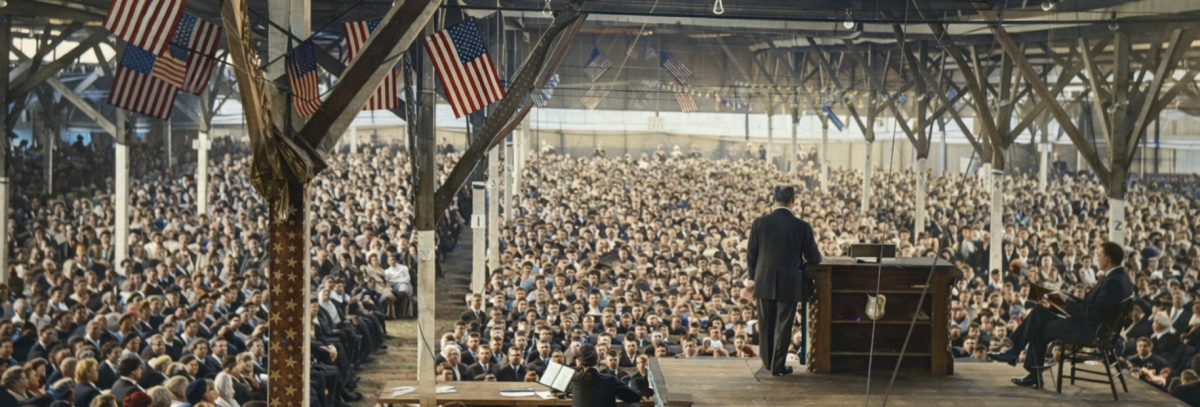
When a Revival Outdrew the State Fair: Omaha, 1915

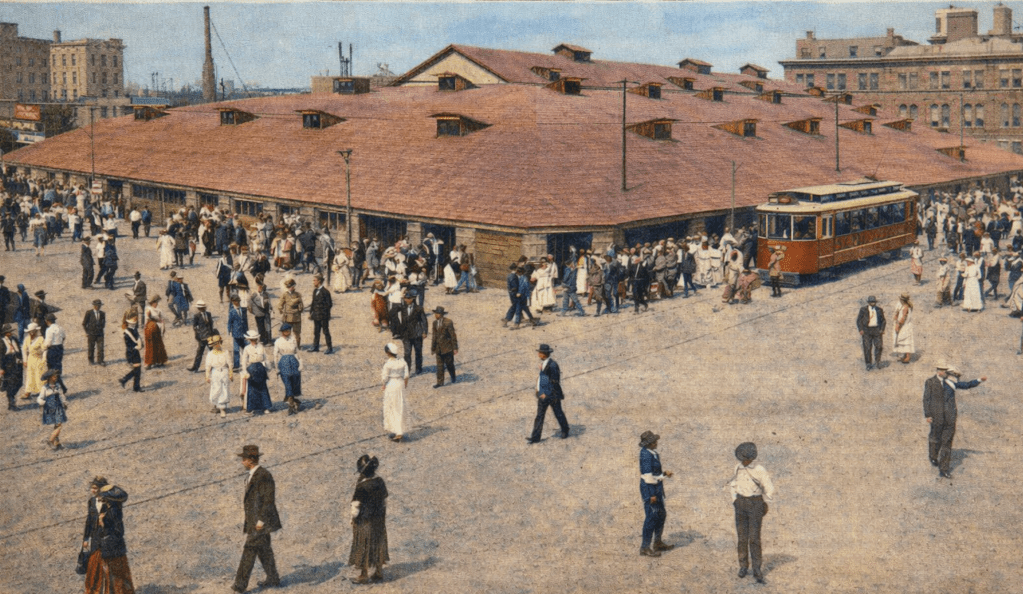
In the fall of 1915, Nebraska found itself hosting two of the largest public gatherings in its history.

One was expected.
The other was not.

In Lincoln, the Nebraska State Fair was in full swing. Newspaper headlines called it “the greatest ever held.” Despite rain and poor weather early in the week, crowds poured through the gates. By the time it ended, total attendance reached 180,767—a record-setting year. The fairgrounds were packed with machinery exhibits, livestock judging, aerial shows, wrestling matches, and the familiar buzz of a state coming together for its biggest annual spectacle.

It was, by every measure, a success.

But sixty miles away, something far more remarkable was unfolding.

In Omaha, a temporary wooden tabernacle had been erected for evangelist Billy Sunday. There were no rides. No prize livestock. No grandstand attractions. Just sawdust, benches, a pulpit—and a preacher.

Yet by the time Sunday’s campaign ended, the numbers told a different story.

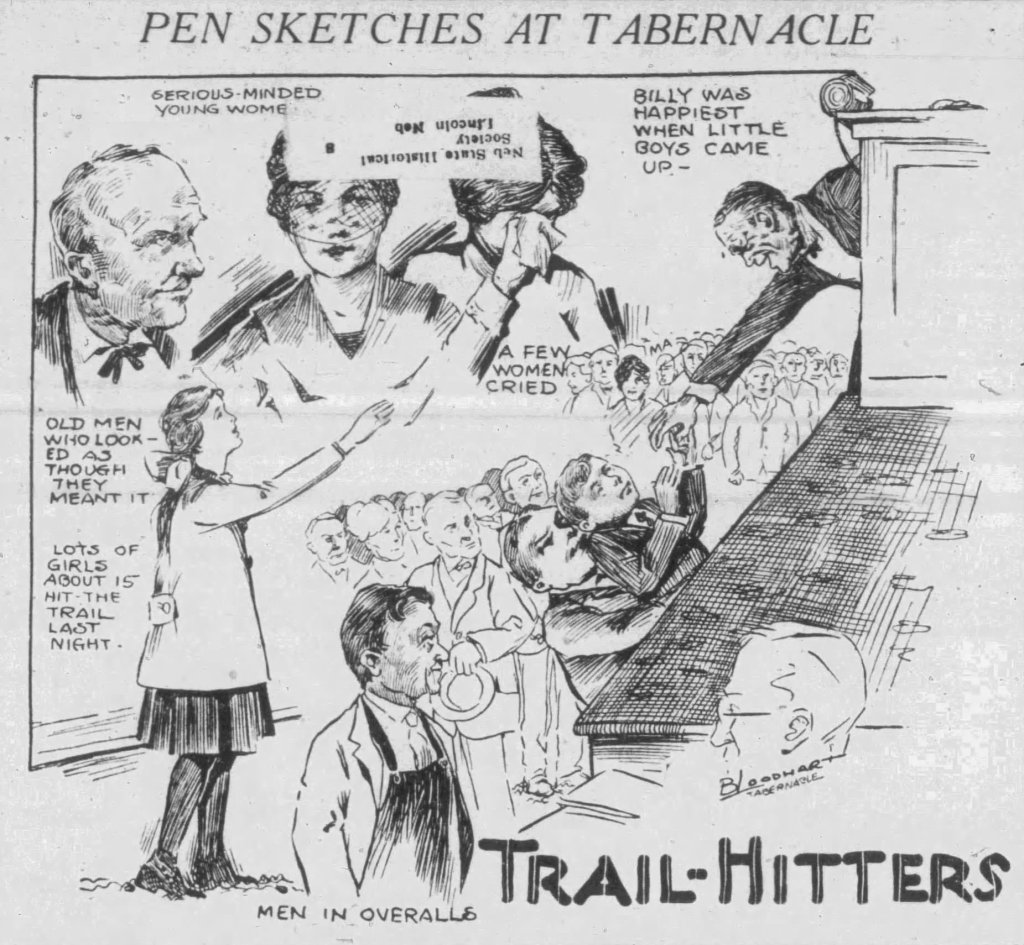
The revival recorded approximately 930,000 total attendees across its six weeks of meetings. Of those, nearly 795,000 passed through the tabernacle itself. More than 13,000 people walked the “sawdust trail,” publicly declaring their decision for Christ.

Let that sink in.

The largest civic event in the state drew just over 180,000 people in a week.
Billy Sunday’s revival drew over five times that number (in six weeks total).
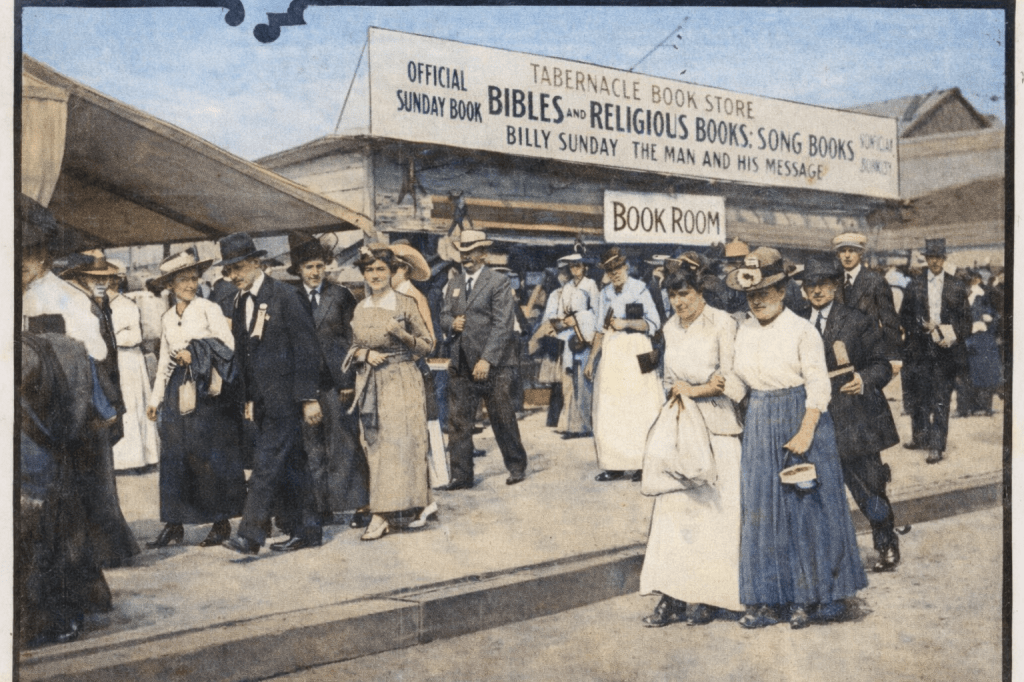
The 1915 Omaha Billy Sunday revival, bookstore.

And it wasn’t confined to a single venue or moment. The revival spread throughout the city:

  • Over 2,100 cottage prayer meetings during the campaign
  • Tens of thousands attending women’s meetings, Bible classes, and noon gatherings
  • Business leaders, factory workers, students, and families all pulled into its orbit

This was not simply a series of sermons. It was a citywide movement.

The contrast is striking. The State Fair represented the best of Nebraska’s agriculture, industry, and entertainment. It was planned, promoted, and expected to succeed.

Sunday’s revival, on the other hand, was built on something less tangible but far more powerful—a shared spiritual hunger that transcended social boundaries.

For a brief moment in 1915, Omaha became the epicenter of something larger than spectacle. Larger than tradition. Larger even than the state’s greatest annual event.

The fairgrounds would empty. The tabernacle would be torn down.

But for those who were there, the memory remained:

A season when the crowds came—not for entertainment—but for transformation.

Sources: curated from Omaha newspapers from 1915.
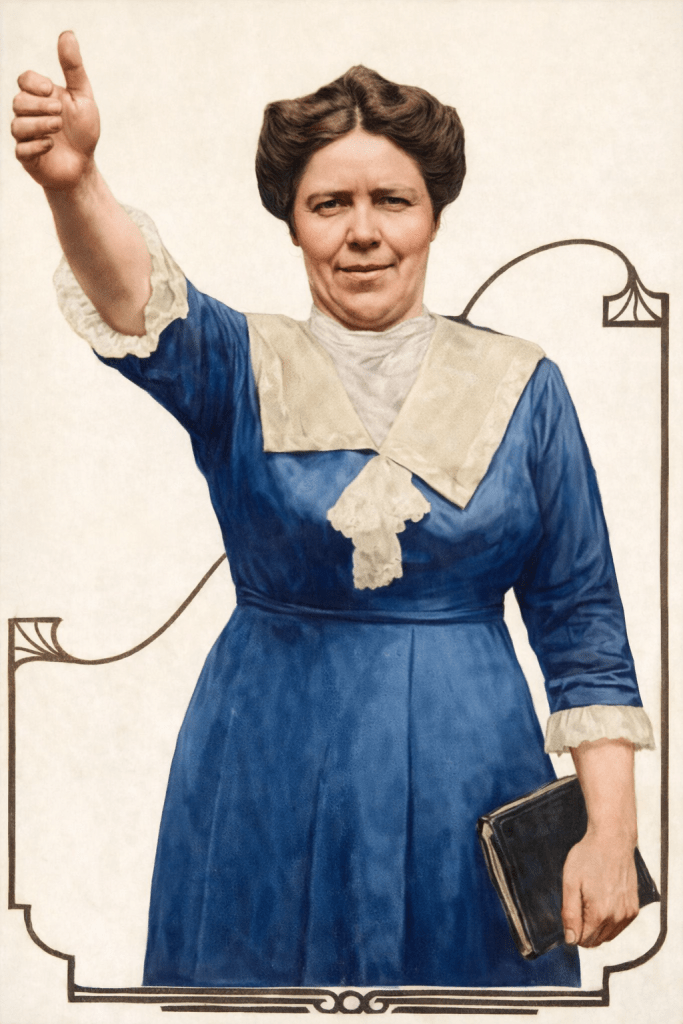
When “Ma” Sunday Called Them Forward, c.1915

Ma Sunday in Omaha, c. 1915

There are moments in the Sunday campaigns that feel almost hidden in the shadow of Billy’s larger-than-life presence—but when you find them, they reveal something just as powerful.

One such moment came during a women-only meeting led by “Ma” Sunday.

The tabernacle was full—some 6,000 to 7,000 gathered—but this was a different kind of service. No booming theatrics. No sawdust-charged bravado. Instead, there was a quieter, deeply personal appeal.

And when she called them forward, 115 women and girls rose and walked the aisle.

A Different Kind of “Trail-Hitting”

The newspapers called it a “replica” of Billy’s famous trail-hitting—but it wasn’t quite the same.

There was a tenderness to it. And, at first, a bit of confusion.

Many of the women thought they were simply going forward to greet Mrs. Sunday—to shake her hand, to thank her, to meet her. They came quickly, almost instinctively, forming what one observer described as a “bee-line” down the aisle.

It took a firm voice from Mrs. Asher, one of the Sunday team, to steady the moment:

This is not a reception line. This is for those who want to be saved.

And just like that, the tone shifted.


Faces in the Crowd

The reports linger on the people—and that’s where the story lives.

A housemaid, still in her work attire, came forward and clasped Mrs. Sunday’s hand, covering it with kisses.

A weeping mother walked the aisle with her small son, alongside her grown daughter.

Two young girls, barely ten years old, came arm in arm.

High school girls stepped forward carrying their school pennants.

Even the choir—singing hymn after hymn—was visibly moved, some of them weeping as they sang.

This wasn’t spectacle. It was personal, family-bound, deeply human.


Her Message: Personal Service

If Billy Sunday’s sermons often thundered, Ma Sunday’s message pressed inward.

She didn’t just call women to come forward—she called them to act.

  • Make a prayer list.
  • Win at least one person to Christ.
  • Take responsibility for the spiritual lives around you.

Her appeal was practical, almost methodical—but never cold. It was rooted in experience, shaped by her own life, and delivered with a kind of plainspoken honesty.

At one point, she reflected on her upbringing—rigid, formal, spiritually lifeless—and contrasted it with her determination to move forward anyway:

I was going to bust.

It’s the kind of line that doesn’t sound polished—but it lands.


Tears—and Resolve

Perhaps the most telling moment came when she addressed women with unsaved husbands and children.

Many of them broke down.

The article notes they wept bitterly.

This wasn’t abstract theology. This was eternity pressing into the home.

And Ma Sunday didn’t leave it there. She pointed them toward action, toward prayer, toward persistence.

She even set her sights on the next gathering—calling for a packed house of mothers and grandmothers, marked by a simple white flower.


The Broader Picture

What we see here is something easy to miss if we focus only on Billy:

The Sunday campaigns were not a one-man operation.

They were a network of voices, and Ma Sunday’s was essential—especially among women. Her meetings didn’t mirror Billy’s so much as complement them.

Where he confronted, she invited.
Where he thundered, she persuaded.
Where he called for decision, she called for ongoing service.

And in doing so, she mobilized an entire segment of the revival that might otherwise have remained on the margins.


Final Reflection

In the end, the numbers—115 responding—tell only part of the story.

What matters more is what those women carried home with them:

  • A renewed sense of responsibility
  • A burden for their families
  • A call to personal witness

Ma Sunday didn’t just ask them to walk an aisle.

She asked them to live differently when they walked back out.

And for many of them, that’s where the real revival began.

Source: The Omaha Daily Bee, Sept 20, 1915:1

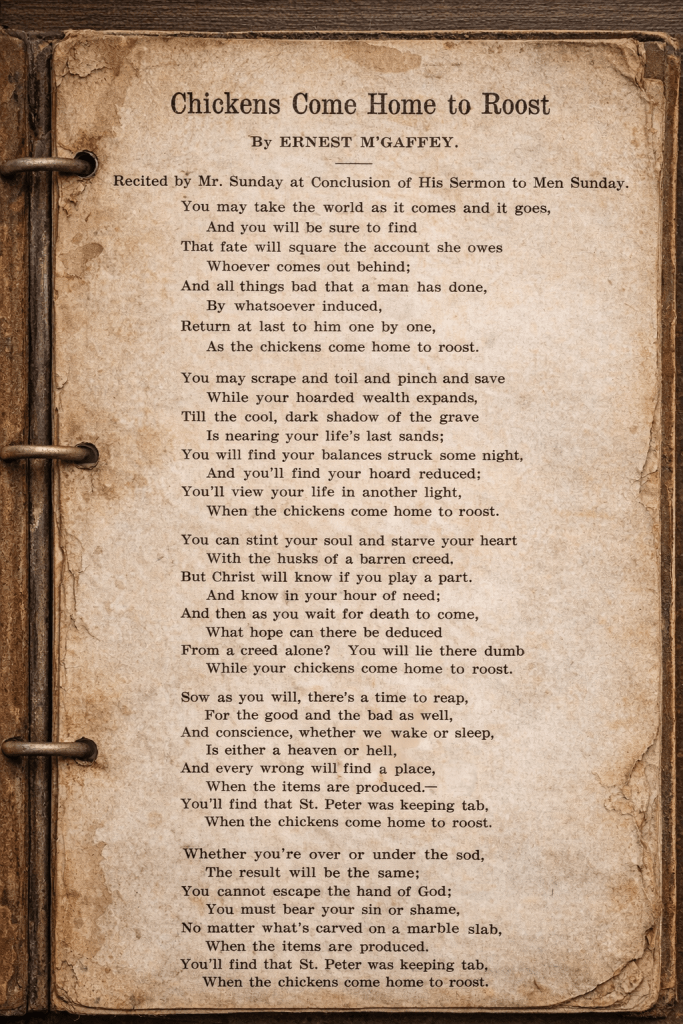
Sermon: When chickens come home to roost

One of Billy’s favorite sermons was When chickens come home to Roost. He would preach it often and usually in the first 1-2 weeks of a revival.

What was the sermon about?

In “Chickens Come Home to Roost,” Billy Sunday argues that sin is never isolated or harmless—it inevitably returns with consequences that grow over time. What begins as a small compromise develops into habit, then character, and ultimately destruction. He emphasizes that sin corrupts the individual internally before it manifests outwardly, dulling the conscience and weakening the will. Sunday also stresses that sin is not merely personal; it affects families, communities, and even nations. He dismantles common excuses—denial, delay, and comparison—and insists that no one escapes moral accountability. The sermon builds toward an urgent appeal: repentance must happen now, before sin’s consequences fully mature and bring irreversible damage.

Representative Quote:
“Your sin may seem quiet tonight, but it will rise up tomorrow and demand its wages.”

When Billy Sunday prays

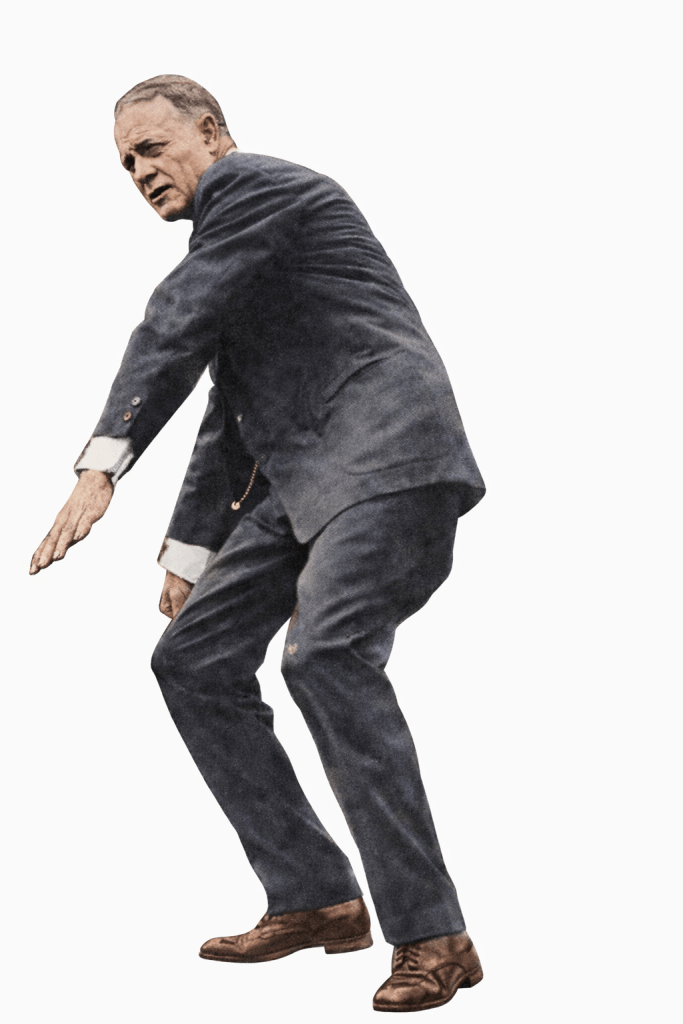
Billy Sunday prays with a punch.

He prays as though God Almighty were standing right before him.

He prays for everybody.

He prays with the same earnestness and energy that marks his preaching. He prays with the zeal and vim that starred him in baseball.

He expects his prayers to land.

He prays for you and me, for the plumber and the telephone girl, for the banker and the street cleaner, for the washwoman and the debutante.

There’s nothing perfunctory in Sunday’s praying.

Sunday’s prayer is not what he says many a prayer is—“Just a funny noise.”
Sunday has something to ask for and he asks for it.

He prays for the salvation of souls, for the success of his meetings, for men to “hit the trail for Jesus Christ.”

Billy Sunday at prayer is the picture of a lawyer pleading to a court. Sunday is the attorney at the bar. Those he prays for are his clients. God Almighty is the supreme judge. God is on the bench hearing the argument.

Sunday states his case. He tells the “judge” what he wants; he gives his reasons; he makes his argument; he pleads:

“For Christ’s sake, God, grant what I ask.”

There’s punch in Sunday’s praying.
His prayers distinguish him.

Cited from: The Omaha Daily News. September 19, 1915: 10.

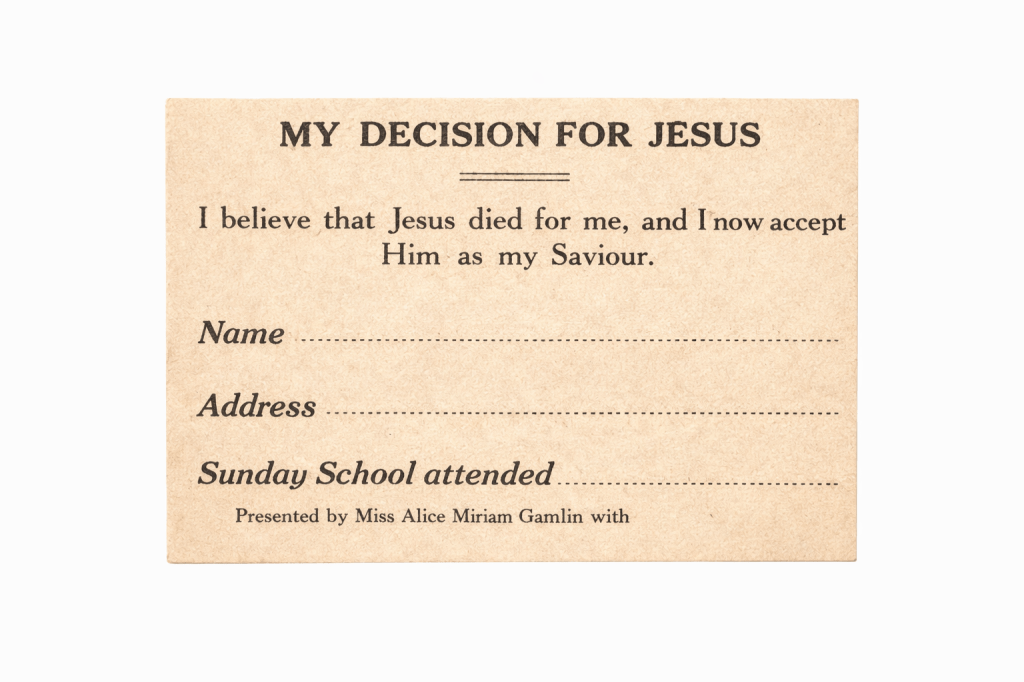
A ‘salvation’ decision card for a Billy Sunday revival

Here is what a ‘trail hitter’ filled out who walked the sawdust trail during a Billy Sunday revival. Omaha saw 13,000+ conversions, closing on October 24, 1915 (opening Sept 5). Billy preached at least 96 times just in the tabernacle during this revival, and scores more outside of the tabernacle venue.

Sermon: Secret of failure (Jer. 5:25), c.1915

Another popular sermon for Billy Sunday during the 1915-1916 campaigns was the Secret of Failure.

In “Secret of Failure,” Billy Sunday argues that failure in life is not accidental but rooted in disobedience to known truth. Using Jeremiah 5:5, he contends that God’s blessings are available, but people forfeit them by breaking His laws. The central issue is not ignorance but willful rebellion—people know what is right yet refuse to do it. Sunday emphasizes that sin is often subtle and socially acceptable, not just gross immorality, and that even church members can live in quiet compromise. He warns that partial obedience, moral neglect, and conformity to the world lead to spiritual defeat. External religion—church attendance, respectability, or profession of faith—cannot substitute for genuine obedience and transformation. True success, he insists, comes from aligning one’s life with God’s revealed will. The sermon builds toward a direct appeal: stop excusing sin, confess it honestly, and live out what you already know to be true, or failure—spiritual and moral—is inevitable.

Quotes from the sermon

“Your failure isn’t because you don’t know better—it’s because you won’t do better.”

“God tells you what to do, and you nod your head—but you never move your feet.”

“Some men are too good to be counted among the wicked—and too bad to be counted among the saved.”

“A half-obedient man is a whole failure.”

“You can sit in church and hear the truth every week—and still go to hell with a Bible in your lap.”

Curated from September 24, 1915 Omaha Daily Bee.

Secret of failure-Omaha_Daily_Bee_1915_09_24_2

Sermon: David and Nathan, 2 Samuel 12

Billy Sunday preached the sermon of David and Nathan often during 1915-1916, using it in Kansas City, Baltimore, Philly, and Omaha.

Billy was fond of using narrative passages of Scripture to apply to a gospel sitting.

In this sermon, Billy Sunday argues that the Bible’s credibility is demonstrated by its honesty in revealing both the virtues and sins of its central figures. This transparency proves Scripture is not fabricated but divinely truthful. From this foundation, he emphasizes the universality and progressive nature of sin, showing how it enslaves individuals and shapes character over time. Sunday rejects the idea that morality, religious rituals, or personal effort can remove sin, insisting that only Christ provides true forgiveness and transformation. Genuine salvation, he argues, results in a changed life, not mere outward reform. The sermon builds toward an urgent appeal for repentance and new birth, calling listeners to abandon self-deception and receive the cleansing and renewal that only God can provide.

June 4, 1916. The Kansas City Star.

Here are some noteworthy quotes from the sermon

“God tells both sides of the story. He doesn’t whitewash His saints—He shows you the black spots as well as the bright.”

“A man doesn’t become a criminal in a day; he practices himself into it. Sin is a habit before it is a headline.”

“You can’t whitewash your heart with good works—sin soaks through. It takes the blood of Christ to make it clean.”

“If a man is born again and lives like the devil, then either he isn’t born again—or the Bible isn’t true.”

Billy Sunday receives bomb death threat while in Omaha in 1915

Curated from original Omaha Daily Bee newspaper

A sensational threat upon the life of Evangelist Billy Sunday, conveyed through a crudely written “black-hand” letter, stirred the city yesterday but failed to interrupt the progress of the revival meetings at the great tabernacle.

The warning, received through the mails on Wednesday, declared that a bomb would be hurled into the tabernacle at 2 o’clock Thursday afternoon, September 23, and that Sunday would be killed unless he departed the city within ten days. The missive, scrawled in poor handwriting across ordinary note paper, bore at its lower corner the drawing of a black hand and a crude sketch of a bomb connected to a clock marking the fatal hour.

The Billy Sunday Tabernacle. Omaha, Nebraska.

Authorities were immediately notified. Chief of Police Dunn detailed detectives to trace the author of the threat, and a vigilant watch was ordered about the tabernacle grounds. Secretary Mathews, who first examined the letter, refrained from alarming the evangelist and quietly placed the matter in the hands of the police.

Despite the ominous warning, the Thursday afternoon meeting proceeded without incident. A squad of detectives, led by Sergeants Patsk Havey and Tom Donahue, mingled with the crowd, keeping careful surveillance in anticipation of any attempt upon Sunday’s life.

If the threat was intended to deter attendance, it met with mixed success. Many curious men flocked to the tabernacle, drawn by the sensational report, while the number of women present was noticeably reduced. Total attendance fell below the usual mark. Yet inside, the service moved forward undisturbed—save for the innocent crying of a baby, whose presence, smuggled past ushers, proved the only interruption to the evangelist’s address.

Thus, what promised to be a day of danger passed into one of quiet defiance. The bomb did not appear. The preacher remained. And the revival, under the watchful eye of the law, pressed on.

Adapted from: The Omaha Daily Bee, September 23 and 24, 1915