And Why the Offer Destroys the Claim That He Preached for Money
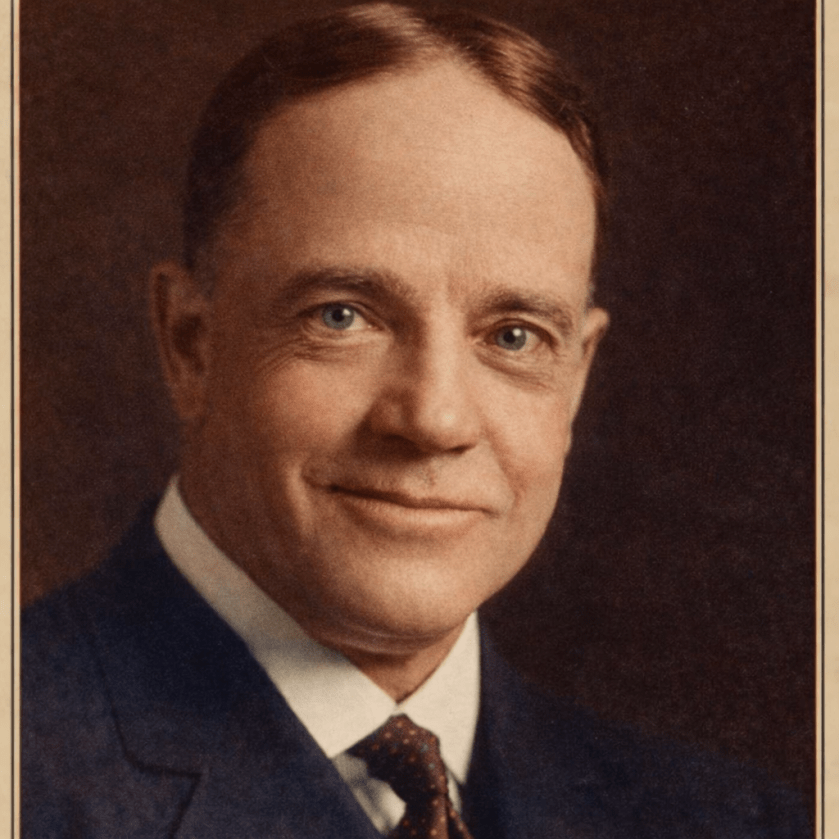
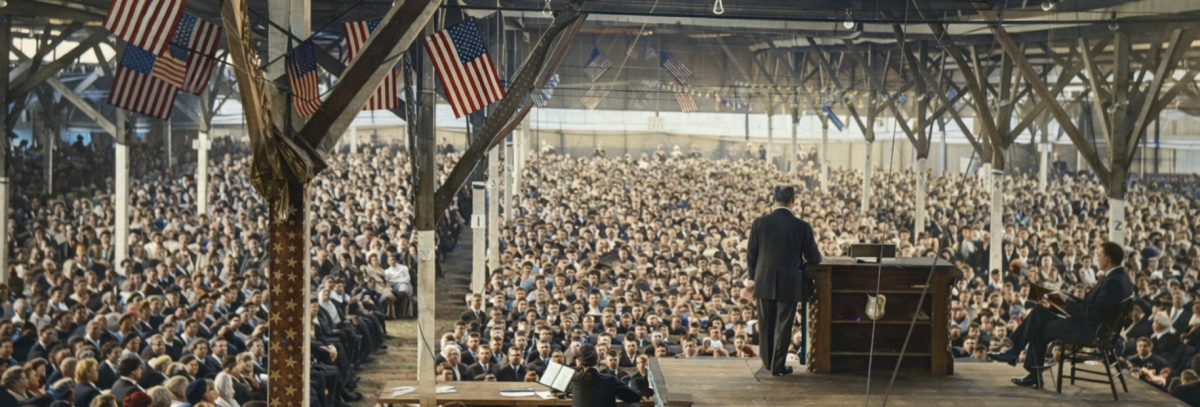
One of the most common criticisms leveled against evangelist Billy Sunday is that he preached for money.
Critics point to the generous love offerings that were sometimes taken at the close of his revival campaigns and conclude that Sunday must have been motivated by financial gain. It is an easy accusation to make. But historical evidence tells a very different story.
One remarkable document from 1917 puts the matter in perspective.
On February 28, 1917, Billy Sunday received an extraordinary letter from the president of the United States Circus Corporation. The proposal was simple, bold, and almost unbelievable.
The circus wanted Billy Sunday to join the show.
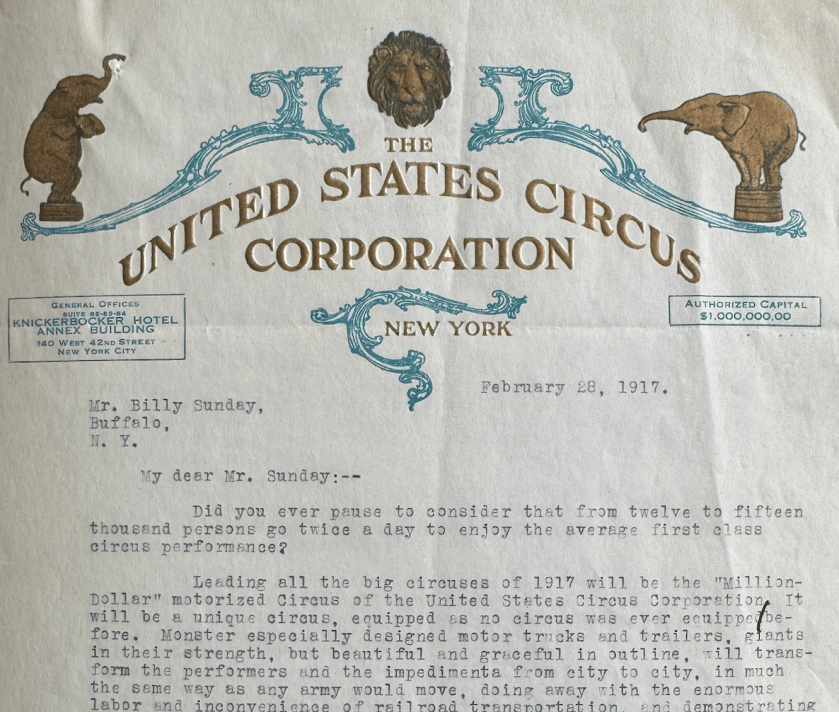
The letter opened by reminding Sunday of the enormous audiences that circuses attracted:
“Did you ever pause to consider that from twelve to fifteen thousand persons go twice a day to enjoy the average first class circus performance?”
The promoter explained that the company was launching what he called a “Million-Dollar” motorized circus, equipped with fleets of specially designed trucks and trailers that would carry the show from city to city.
The scale was enormous. Tens of thousands of people attended circus performances daily.
And the circus president believed Billy Sunday could preach to them.
Then came the offer.
“I… offer you a weekly salary of $14,000, or $2,000 a day, for as many weeks of the coming summer season as you can give.”
To grasp how staggering this proposal was, consider the numbers.
If Sunday had accepted the offer and worked for roughly ninety to one hundred days during the summer season, he would have earned between $180,000 and $200,000 in 1917.
Adjusted for inflation, that is roughly $4 million today.
In return, the circus would provide transportation, luxury touring cars for Sunday and his staff, and access to massive crowds across the country.
The promoter even suggested that Sunday hold revival meetings on Sundays as part of the circus program.
But here is the crucial point.
The proposal made no provision for Sunday to keep offerings from those meetings. In fact, the letter suggested that the proceeds from Sunday services could go largely or entirely to charity.
The circus wanted Billy Sunday not as a fundraiser—but as an attraction.
A headline act.
A revivalist who could preach to the largest audiences in America.
And yet Billy Sunday refused.
The Economics of Sunday’s Real Ministry
Now compare this circus offer to the income Sunday actually received during the same years.
During the summer Chautauqua season, Sunday could deliver 50 to 70 speaking engagements.
Typical speaking fees ranged from $250 to $500 per engagement.
That means a strong Chautauqua season might produce:
- $12,500 on the low end
- $35,000 on the high end
Even at the very top of that range, the circus contract would have paid five to six times more.
In other words, if Billy Sunday had been motivated primarily by money, the decision would have been obvious.
He could have become the highest-paid religious speaker in America simply by joining a circus.
Instead, he chose the sawdust trail.
He chose the revival tabernacle.
He chose the ministry that demanded months of exhausting preaching, travel, prayer meetings, counseling, and organization.
And he did it for far less money than the circus was willing to pay.
Why the Critics Miss the Point
Billy Sunday never pretended that money did not matter. Revival campaigns required large temporary tabernacles, choirs, staff members, and enormous logistical efforts.
But Sunday consistently refused opportunities that would have turned his preaching into entertainment.
The 1917 circus contract proves it.
The entertainment industry was willing to pay him millions in today’s dollars to headline the largest traveling show in America.
He said no.
The same evangelist who was accused of preaching for money walked away from a fortune.
And that fact should cause us to reconsider the narrative that Sunday’s critics often repeat.
Billy Sunday may have been many things—a fiery preacher, a former baseball player, a relentless evangelist—but the historical record shows that he was not in the ministry merely for the money.
If he had been, the circus would have had its star.
Instead, the revival fires continued to burn.
Did you know?
“It may not be generally known, but ‘Billy’ Sunday supports a mission on Van Buren street, Chicago, paying all the expenses of maintaining it out of his own pocket. He is also educating twenty boys and paying for it with his own money. These boys are waifs he has picked up out of the street. In this he is following the plan of the late Sam Jones, who in his lifetime educated hundreds of poor boys and made useful citizens out of them.”
The Kalamazoo Gazette. Fri, Jul 23, 1909 ·Page 4

 Evangelist Billy Sunday (1862-1935)