Revival in the Rust Belt: What the Numbers Reveal About Billy Sunday’s Evangelistic Impact (1912-1915)

By Kraig McNutt

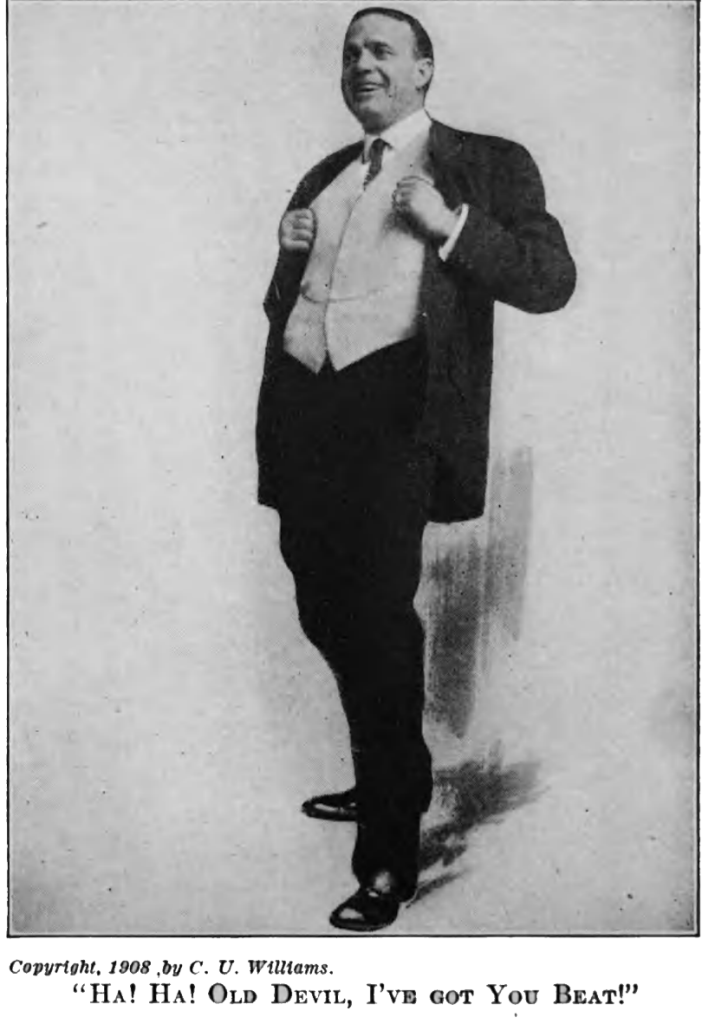
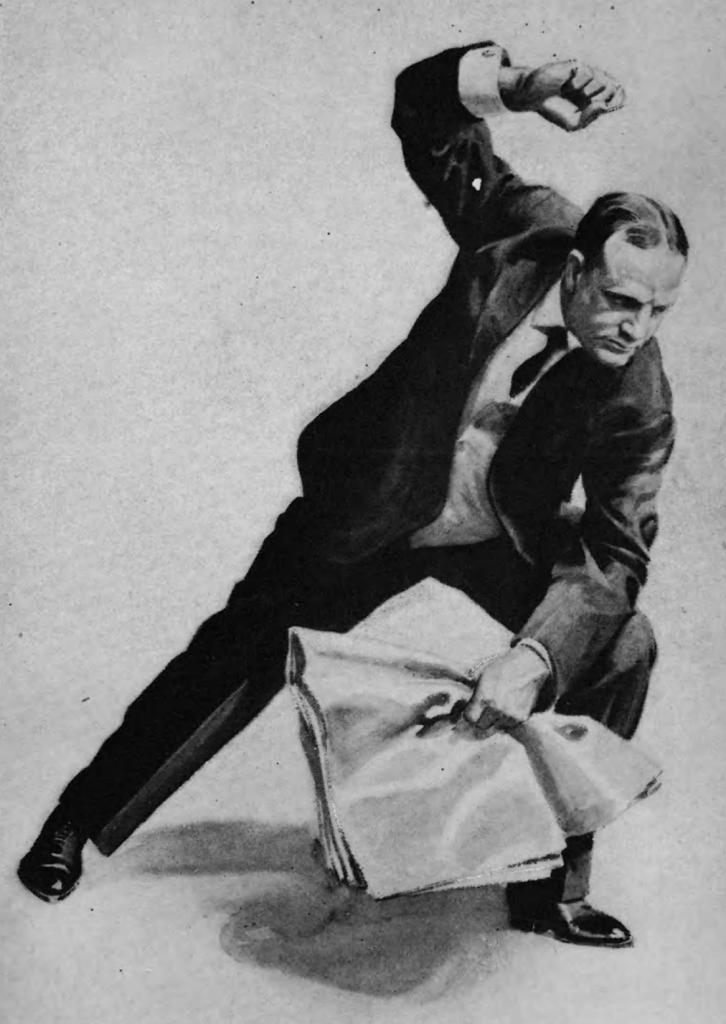
In the early 20th century, few public figures stirred the American soul quite like Billy Sunday. A former professional baseball player turned dynamic evangelist, Sunday launched revival campaigns that were part gospel meeting, part moral crusade, and entirely unforgettable.

But beyond the sawdust trails and thunderous preaching, what do the numbers tell us about his real impact?

Let’s dive into an analysis of over twenty of Sunday’s campaigns—spanning from the industrial sprawl of Philadelphia to the steel towns of Ohio and Pennsylvania—to find out.


Big Cities, Big Numbers

Unsurprisingly, the nation’s largest cities saw the highest total conversions:

  • Philadelphia (1915): 41,724 conversions
  • Pittsburgh, PA (1914): 26,601 conversions
  • Columbus, OH (1912): 18,137 conversions

Impressive, no doubt. But when measured per capita, a surprising truth emerges…


The Real Revival Was in Small-Town America

Here’s where it gets fascinating:

  • Beaver Falls, PA (1912): 6,000 conversions in a city of 12,191 – nearly 49%!
  • East Liverpool, OH (1912): 6,354 conversions in a population of 20,387 – over 31%
  • Steubenville, OH (1912): 7,888 conversions out of 22,391 – over 35%

In these towns, Sunday didn’t just stir hearts—he helped reshape the entire community’s spiritual identity.


A Strategy Rooted in the Industrial Heartland

Most of Sunday’s campaigns concentrated in:

  • Pennsylvania
  • Ohio
  • West Virginia
  • Indiana

Why here?

These regions were filled with working-class cities grappling with the social challenges of industrialization: alcoholism, labor unrest, poverty, and moral uncertainty.

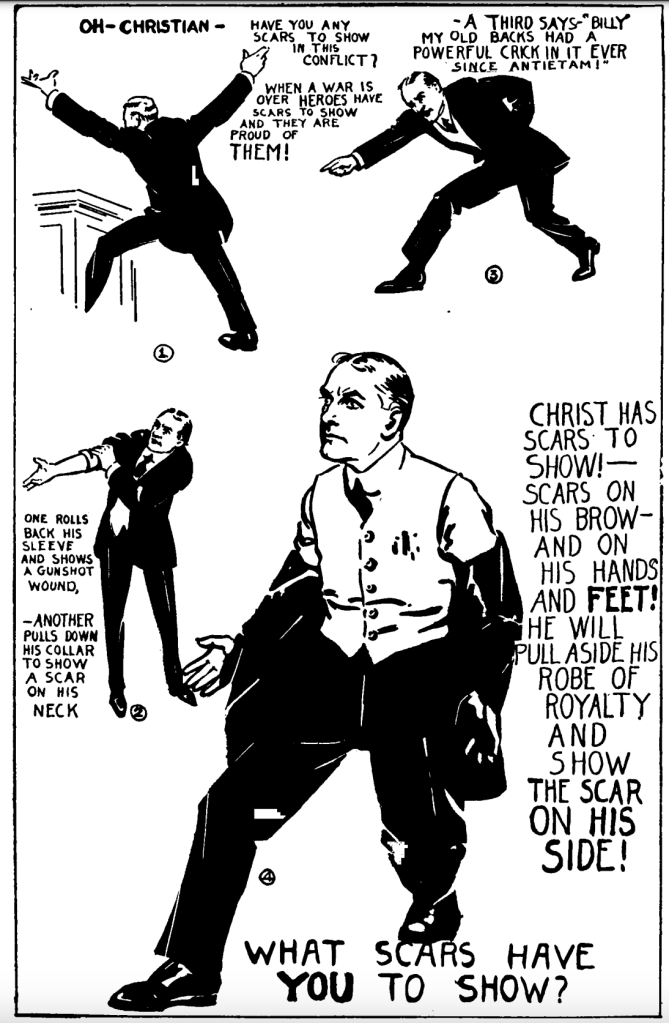
Sunday’s sermons, full of vivid illustrations and uncompromising moral appeals, landed powerfully in these settings. He spoke their language, addressed their fears, and challenged their habits.


His Peak Impact Years: 1912–1914

Many of the most spiritually responsive campaigns occurred just before World War I:

  • Scranton (1914)
  • Wilkes-Barre (1913)
  • McKeesport (1914)
  • Des Moines (1914)
  • Johnstown (1913)

This was Sunday’s sweet spot—a season where both momentum and message aligned. Before the war brought cultural upheaval, Sunday’s campaigns offered a moral anchor to cities teetering on the edge of change.


The Bottom Line: Revival by the Numbers

Across 23 cities analyzed:

  • Total population: 3,559,070
  • Total conversions: 250,872
  • Average conversion rate: ~7.05%

That’s 1 in every 14 people making a spiritual decision.

But the real story is this: Sunday’s numerical reach was greatest in big cities, but his transformational impact was most profound in smaller towns where community bonds were tighter, distractions were fewer, and the message spread like wildfire.


Final Thoughts: When Revival Was a Shared Story

Billy Sunday didn’t have Instagram reels or livestream sermons. He had sawdust floors, a voice like thunder, and a message about Jesus that could shake a city.

And in towns like Beaver Falls, East Liverpool, and Steubenville, it did more than shake—it changed lives. Not in abstract theological terms, but in the daily rhythms of work, family, and community.

In these places, revival wasn’t just a moment. It was a movement.


Want more historical insights like this? Subscribe to my newsletter or explore more at https://evangelistbillysunday.com/
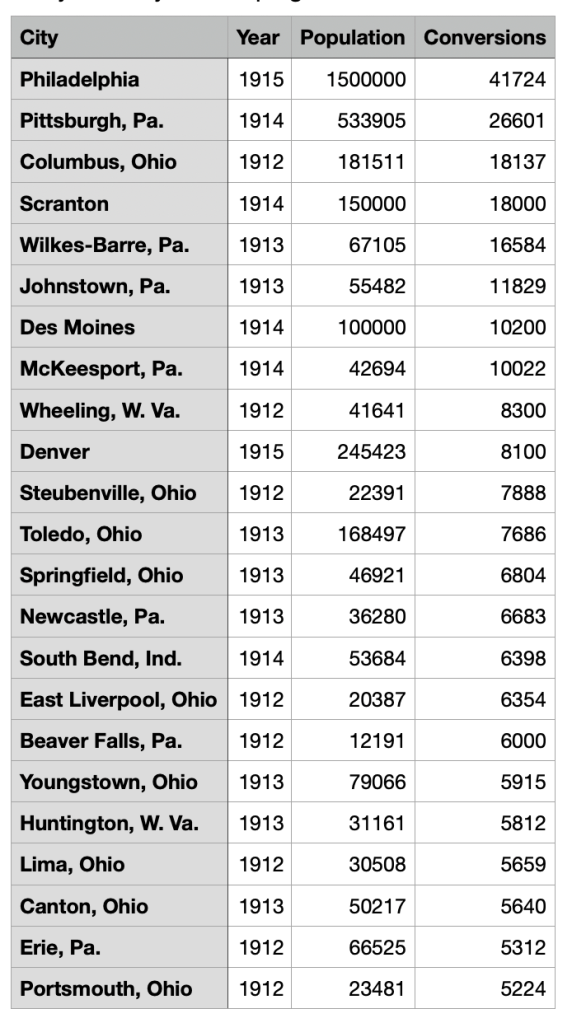

Total population 3,559,070
Total conversions 250,872

Data from The Man and His Message, Ellis
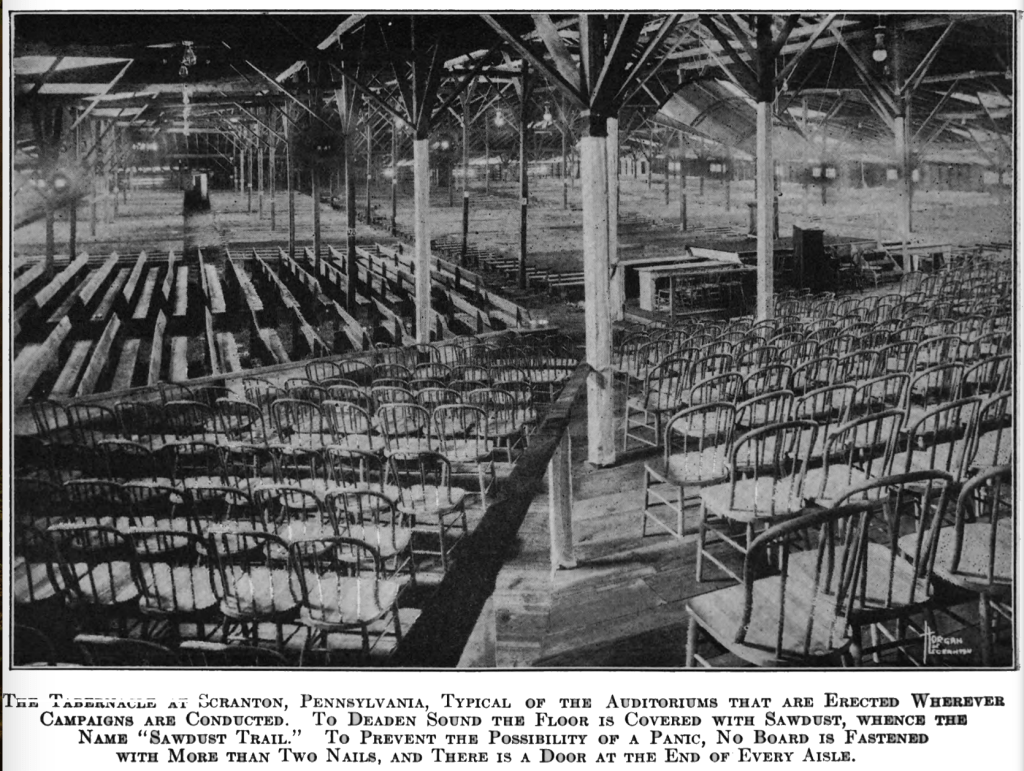
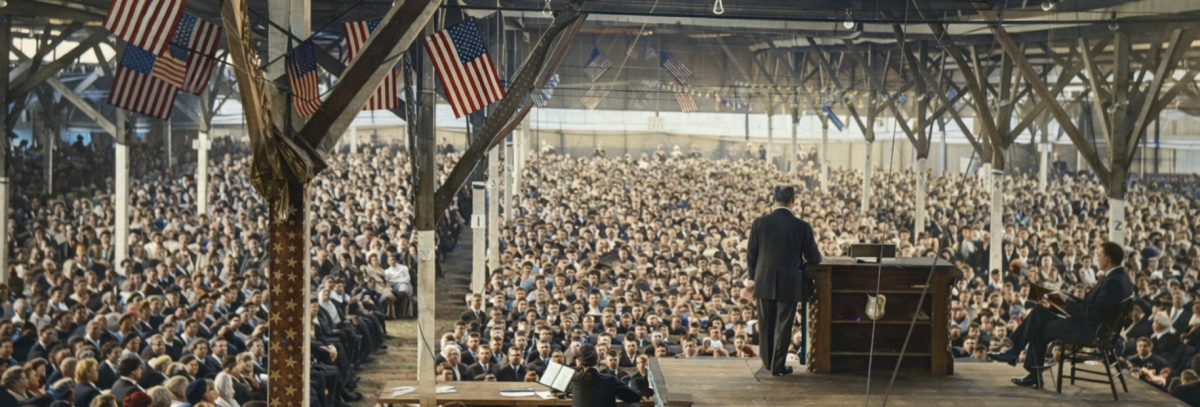
The Tabernacle at Scranton

​Billy Sunday commenced his seven-week evangelistic campaign in Scranton, Pennsylvania, on March 1, 1914. The opening day was marked by a significant snowstorm, later referred to as the “Billy Sunday Snowstorm,” which resulted in approximately 2,500 attendees being stranded overnight in the temporary tabernacle constructed for the revival. The campaign concluded in mid-April 1914.

The Man and His Message, Ellis

The Preacher Paradigm: Promotional Biographies and the Modern-Made Evangelist

Between 1886 and 1931, Christian publishing houses in the United States offered an unprecedented biographical profile of the contemporary American evangelist as an unambiguously modern figure. Sold at tabernacle tents, Christian bookshops, and church fund-raisers, these texts simultaneously document concerns with the modern landscape as they regale readers with the styles and stories of headlining American Protestants, including Dwight Moody (1837-1899), Sam Jones (1847-1906), Reuben Archer Torrey (1856-1928), J.

Wilbur Chapman (1859-1918), Rodney “Gipsy” Smith (1860-1947), Billy Sunday (1862-1935), and Baxter “Cyclone Mac” McClendon (1879-1935). Although it is not difficult to discern distinguishing marks and regional inflections within the anecdotal particularities of these men, the overarching structure and themes of their chronologies is consistent. The purpose of this essay is to produce the beginning of a collective biography of the turn-of-the-century preacher, highlighting the persistent paradigm represented in the promotional products of these preachers. Whereas previous historians have described these men as antiquated proponents of an “old time” religion, this article argues that their narratives reveal a strikingly modern man, poised in an engaged and contradictory conflict with his contemporary moment.

Published online by Cambridge University Press: 18 June 2018
Religion and American Culture

Why Women Loved Billy Sunday: Urban Revivalism and Popular Entertainment in Early Twentieth-Century

Evangelist Billy Sunday (1862-1935) is well-known for an aggressively masculine platform style that was clearly aimed at attracting a male audience to his urban revival campaigns. Less recognized but equally important are Sunday’s meetings for “women only,” in which the handsome, athletic evangelist preached passionate, explicit sermons on sexual vice to an audience that had been purged of all male interlopers. Though Sunday’s ostensible purpose was to reinforce traditional Victorian morality-the sermons were originally meant to rail against birth control-the social context for his message subtly undermined its conservative aim. As is illustrated by his campaign in Boston during the winter of 1916-1917, Sunday was perceived by many of his contemporaries, both men and women, as scandalously frank to the point of sexual crudeness. Critics and supporters alike described him in the same terms they used for vaudeville and theater idols, a notion that ex-baseball player Sunday did little to dispel. Yet, evangelical Protestant women came to hear his muscular Christian message anyway. The ability of his female audiences to adapt to—and obviously enjoy— Sunday’s physical stage presence suggests that often-used terms like “feminization” and

“masculinization” are too stark to describe the transition from Victorian to modern forms of religious behavior. Women’s response to Sunday, situated at the intersection of evangelical religion and popular entertainment culture, demonstrates the durability of feminine religious tastes and suggests ways in which the blurring and confusion of formal gender categories factored into the transition from Victorian piety into the more individualized, popularized forms of religious faith in the twentieth century. Women were not passive observers in the transformation of American religion but central to the nature and direction of its survival.

Published online by Cambridge University Press: 18 June 2018
Religion and American Culture