“All I am under God, I owe to the Rev. Mr. Chapman and to Prof. R. R. Lloyd of Berkeley, California, with whom I privately studied.”
– Cynon Valley Leader. Sat, Dec 27, 1924 ·Page 2
When historians tell the story of Billy Sunday—the baseball-player-turned-revivalist who shook America from 1900 to 1925—certain names always rise to the surface: William and Nell Sunday, Wilbur Chapman, perhaps John Wilbur Chapman’s evangelistic team.
Yet tucked in old newspaper columns and long-out-of-print yearbooks lies the story of a man whose quiet influence helped shape Sunday’s fiery ministry: Rev. Rhys Rees Lloyd, D.D.
Rev. Rhys Rees Lloyd’s quiet investment in Sunday reminds us that God often does His greatest work through those content to remain unseen.
A Welsh Beginning
Rhys Rees Lloyd was a full-blooded Welshman, born in North Wales to a distinguished minister father and a mother, Miss Williams, from the mining village of Hirwaun, Glamorgan.
His family history read like a hymn to Welsh Nonconformity: his grandfather helped found the local chapel where young Rhys grew in the faith, and the family remained pillars of that congregation for generations.
The old Welsh anthem he loved to quote—Mae hen wlad fy nhadau yn anwyl i mi (“The land of my fathers is dear to me”)—captured a devotion to heritage that he never lost.
Educated at the University of Wales, Lloyd excelled in the classical and biblical studies that would become the foundation of a lifelong ministry of preaching, teaching, and mentoring.
Across the Atlantic
In the 1870s Lloyd crossed the ocean, newly married, and settled in Chicago.
There he entered the Chicago Theological Seminary while simultaneously pastoring a city church.
His five and a half years in that pulpit were so fruitful that fellow ministers urged him to train future pastors.
He heeded the call, completing a two-year postgraduate program in New Testament studies.
Before long the West beckoned: Lloyd accepted a chair as Professor of New Testament Greek and Interpretation at Pacific Theological Seminary in Berkeley, California.
For ten years he combined academic rigor with an itinerant ministry of preaching and lecturing that took him across the United States.
A Providential Meeting in Chicago
Meanwhile, in 1886, a young Chicago White Stockings outfielder named Billy Sunday had an encounter that would change his life.
After a street-corner gospel team stirred memories of his devout mother, Billy walked into the Pacific Garden Mission and trusted Christ as Savior.
The next morning, as Sunday headed to the YMCA to begin work as Religious Director, a mutual friend introduced him to Rev. Rhys Lloyd.
The two men could hardly have been more different—one a rough-edged ballplayer with little formal schooling, the other a classically trained theologian steeped in Greek and Hebrew.
Yet in that brief conversation Lloyd quietly offered to help the new believer “whenever he desired.”
Billy accepted.
For more than a decade, usually in the margins of busy schedules, Lloyd tutored Sunday in Scripture, doctrine, and the art of interpretation.
He even helped him with Greek so that Sunday could wrestle directly with the New Testament.
Lloyd asked that the arrangement remain private during his lifetime, but Sunday, brimming with gratitude, often told the story anyway.
More Than a Footnote
A 1914 Scranton Truth article already recognized Lloyd as one of Sunday’s “religious preceptors,” but a richer picture emerged a decade later in a 1924 Cynon Valley Leader profile.
That account celebrated Lloyd’s Welsh roots and confirmed that Billy “spoke of it often and forcibly,” crediting the professor’s ten-year investment in his biblical education.
The article also revealed a life of broad influence:
- friendships with prominent figures such as General Charles G. Dawes (later U.S. Vice President),
- lectures across the nation on the results of his biblical research,
- and quiet philanthropy—helping at least twenty-five young men secure an education.
Mentor of the Evangelist
Lloyd’s mentorship offers a pattern modern ministry often forgets: growth through relationship, formation before fame, discipleship before platform.
It would be easy to blur the lines and call Lloyd “the man who converted Billy Sunday,” as some hometown admirers claimed.
But history is clear: Billy’s conversion took place at the Pacific Garden Mission.
Lloyd’s gift was different and no less vital: he discipled and educated the man who would become America’s most famous evangelist.
Through Rhys Lloyd’s steady hand, Billy Sunday gained:
- Doctrinal Stability – a grounding in Reformed theology and confidence in the authority of Scripture.
- Biblical Literacy – enough Greek and interpretive skill to handle Scripture faithfully despite scant formal schooling.
- Spiritual Example – a model of integrity and intellectual devotion that shaped Sunday’s own passion for the Bible.
A Legacy Worth Remembering
By the early 1920s Lloyd was semi-retired in Chicago, recovering from a long illness, still working on publishing the results of his lifelong biblical studies.
He never sought fame, but his imprint is indelible.
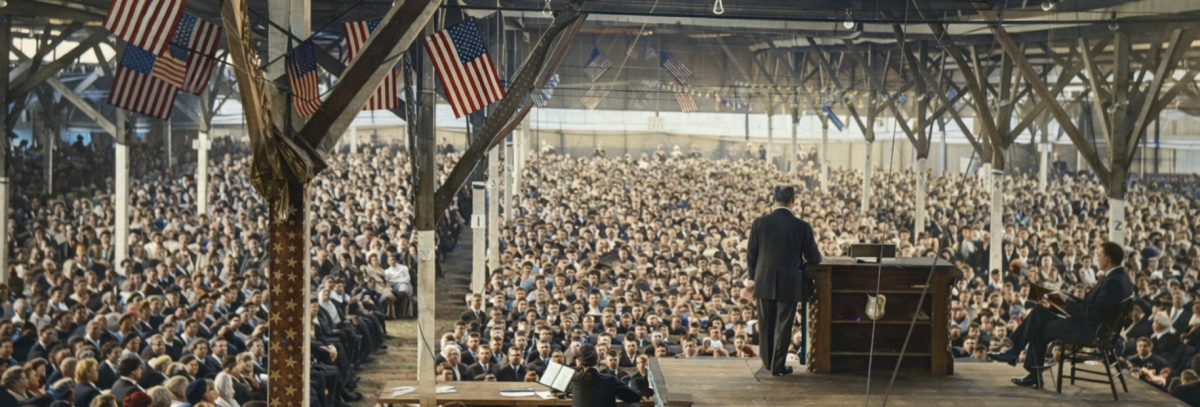
Every time Billy Sunday thundered a sermon before thousands, the careful tutelage of a Welsh professor echoed beneath the sawdust trail.
In the grand narrative of American revivalism, Rev. Rhys Rees Lloyd remains largely unsung—a scholar-pastor whose quiet faithfulness equipped a headline evangelist to shake a nation.
History rarely celebrates the mentors whose quiet faithfulness builds the giants. Yet Lloyd’s story invites us to ask: who shaped us? And who might we be called to shape? Every generation needs its unseen professors who teach others to thunder for God.
Sources: 1914 Scranton Truth, May 4, 1914, p.2; 1924 Cynon Valley Leader, Dec 27, 1924, p.2; contemporary Presbyterian records and Billy Sunday’s own reminiscences.*
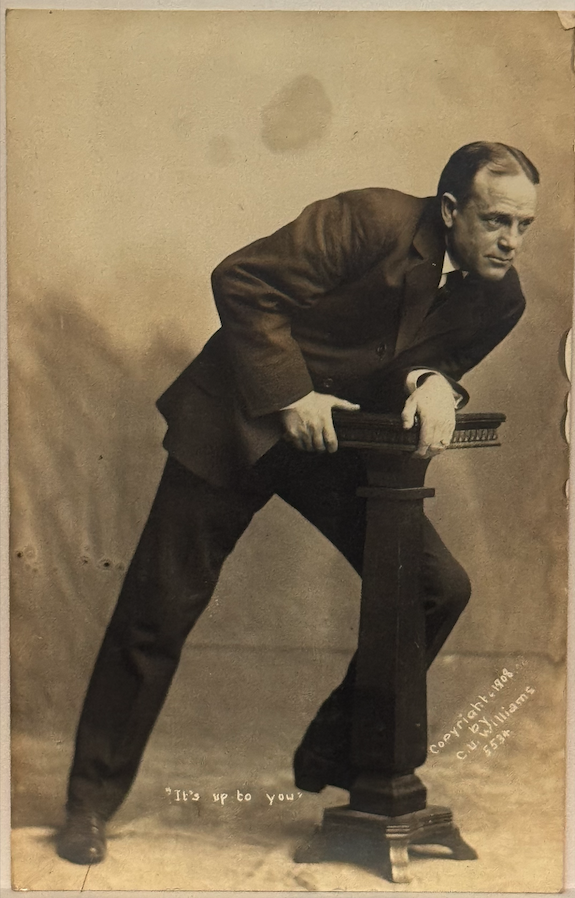
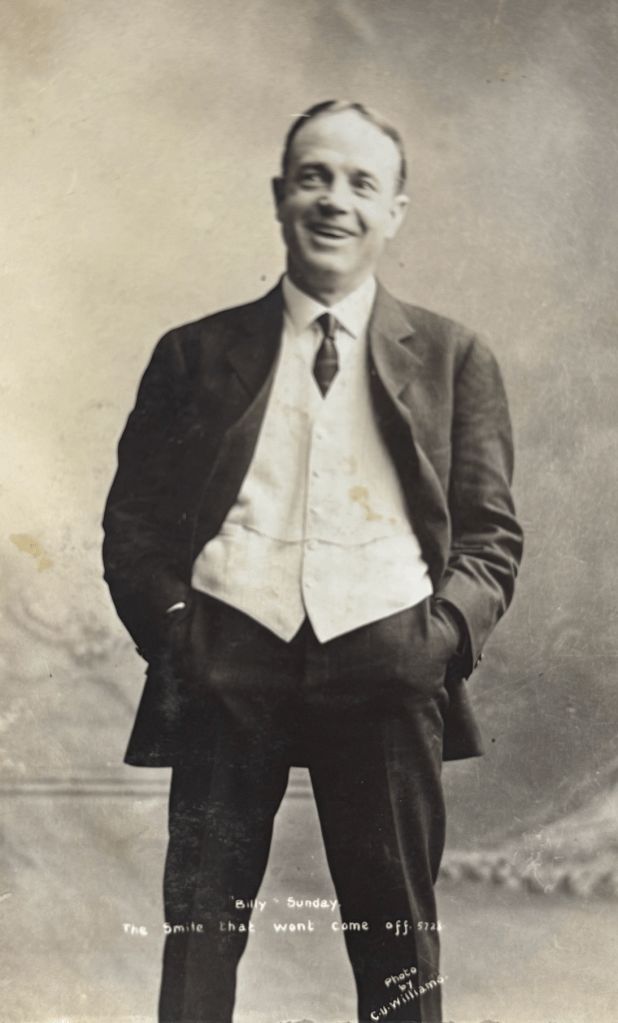
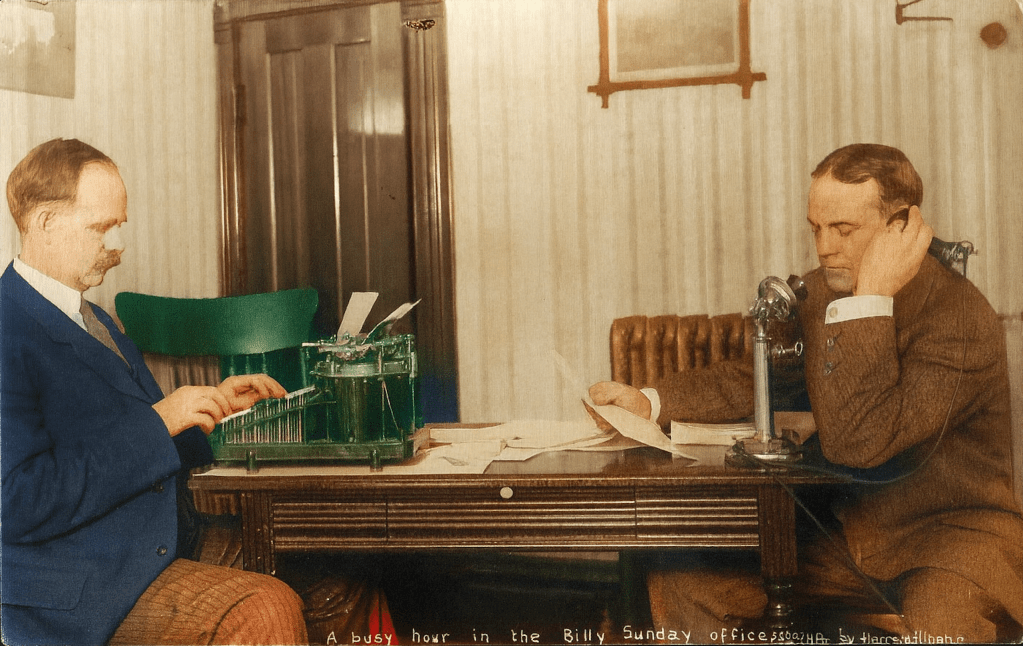
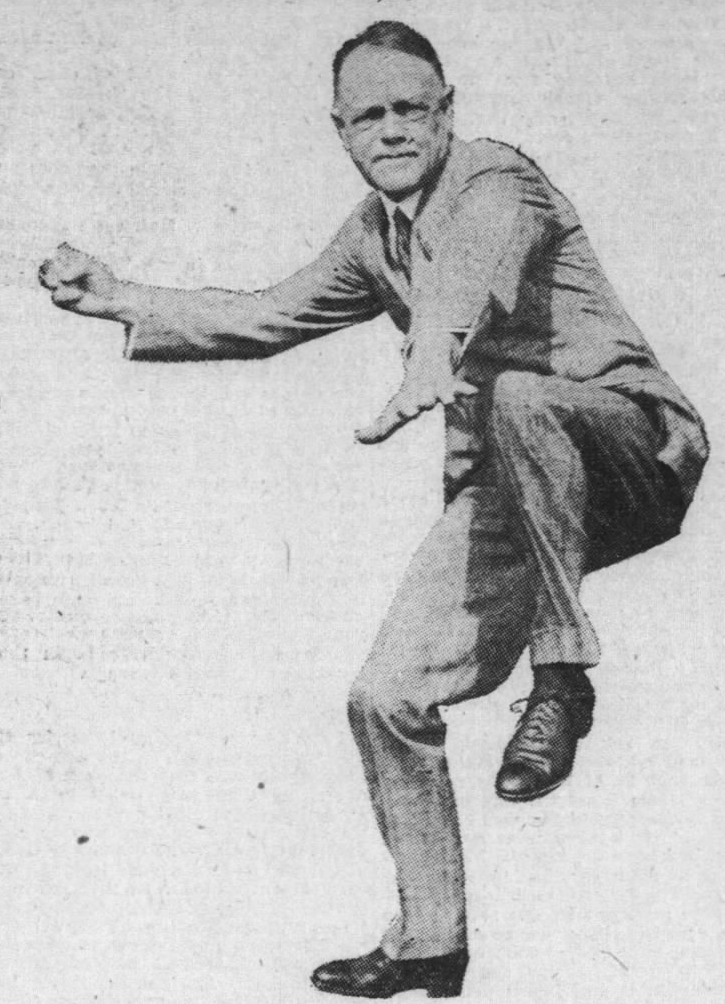
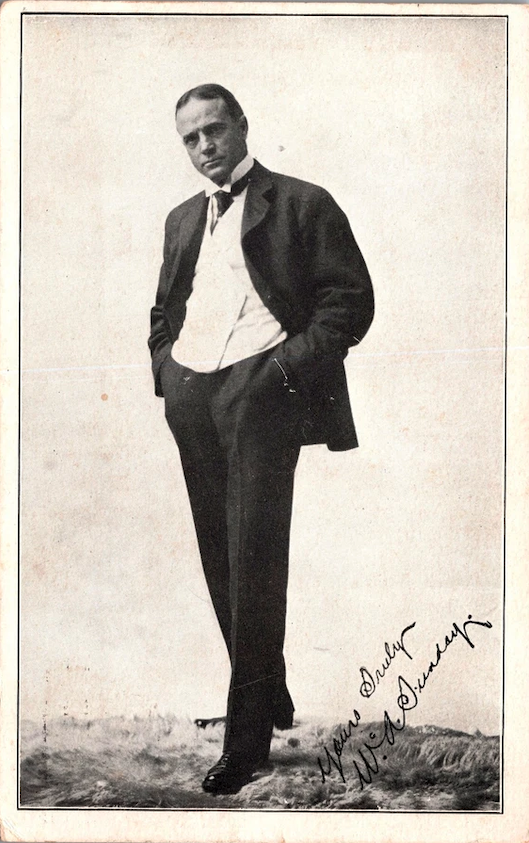
 Evangelist Billy Sunday (1862-1935)