Article curated by AI, examining period newspapers, with human oversight.
A City on the Edge: The World Behind Billy Sunday’s Philadelphia Campaign (Jan–Mar 1915)
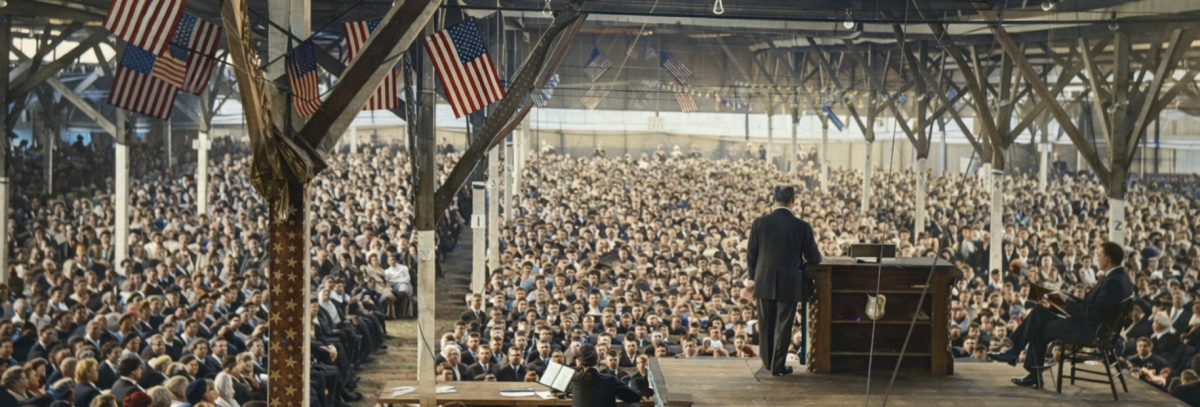
When Billy Sunday stepped into Philadelphia on January 3, 1915, he didn’t enter a quiet city.
He stepped into a world already under strain.
To understand the power of that campaign—why thousands poured into the tabernacle, why his words landed with such force—you have to look beyond the sawdust trail and into the broader setting. Because what was happening outside the tabernacle made what happened inside feel urgent, even necessary.
A World at War—But Not Yet America’s
By early 1915, Europe was already bleeding.
What had begun in the summer of 1914 as a war of movement had hardened into something far more brutal. The Western Front was frozen in place. Soldiers lived in trenches carved into mud and misery. Artillery thundered day and night. Machine guns cut down advances before they began. The casualty lists grew longer by the week.
And in February 1915, something changed that Americans could not ignore: Germany declared the waters around Great Britain a war zone. Submarines—U-boats—would strike without warning.
For the first time, the war felt like it might reach across the Atlantic.
America was still neutral. But no one felt untouched.
A Nation Holding Its Breath
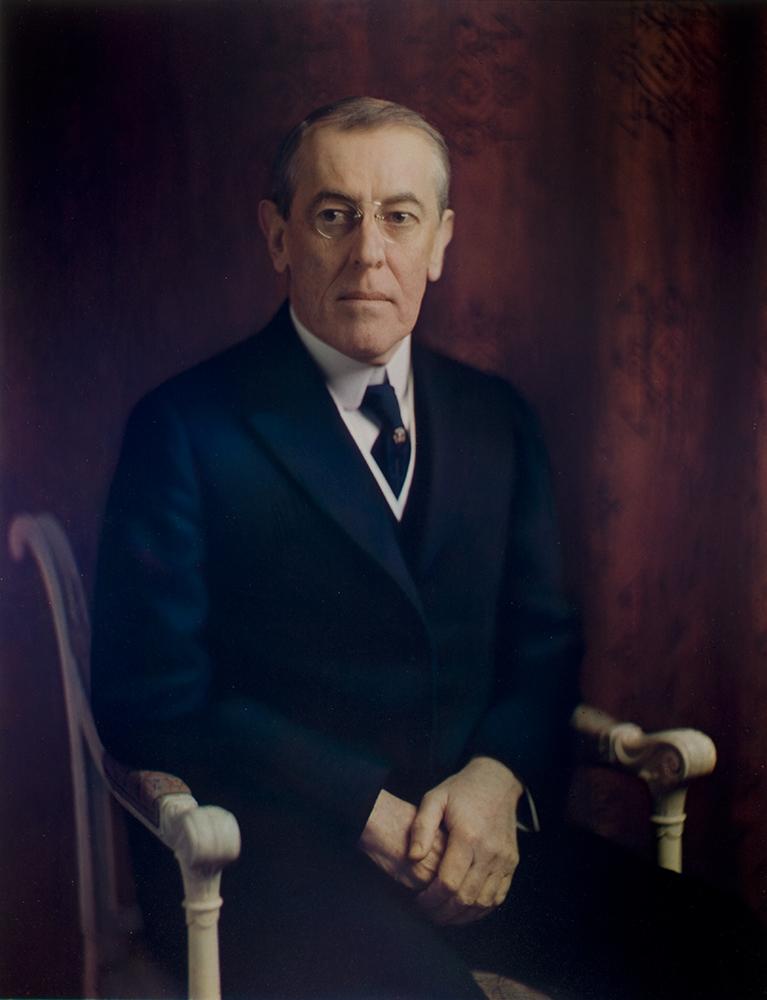
Under President Woodrow Wilson, the United States tried to maintain distance. Officially, this was not our war.
But neutrality is easier to declare than to feel.
Every day, newspapers carried headlines from Europe. Americans followed the movements of armies, the sinking of ships, the warnings issued to neutral nations. Trade tied the U.S. to the Allies. American goods crossed the ocean. American lives traveled those same routes.
The question lingered, unspoken but persistent:
How long can we stay out of this?
There was no clear answer—only a growing sense that the ground was shifting.
Prosperity with a Shadow
At the same time, the American economy was waking up.
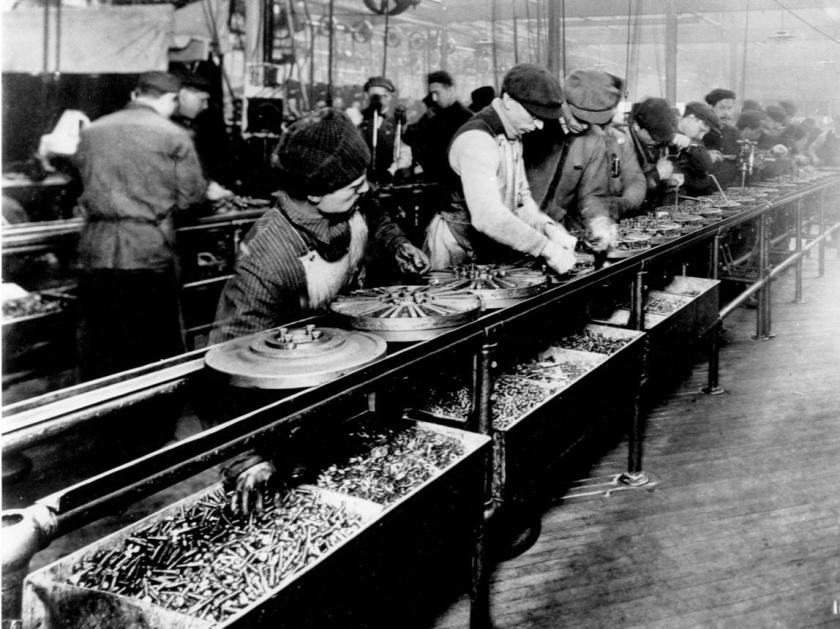
Factories were busy. Orders increased. Production surged. War in Europe meant demand for American goods—steel, machinery, supplies.
Philadelphia, an industrial powerhouse, felt it.
But prosperity came with questions.
Was America simply helping… or quietly profiting from the suffering overseas? Could a nation grow rich while the world burned?
These weren’t always spoken out loud. But they were felt.
And men like Billy Sunday had a way of bringing those quiet tensions into the open.
A Moral Movement Finding Its Voice
This was also a moment when moral reform was cresting.
The temperance movement was no longer a fringe cause. The Anti-Saloon League had become a powerful national force. States were beginning to go dry. The conversation about alcohol, vice, and public morality was moving from pulpits into politics.
Sunday did not arrive in Philadelphia as a lone voice crying in the wilderness.
He arrived as a leading voice in a growing chorus.
His attacks on the saloon, his calls for personal repentance, his insistence on moral clarity—they resonated because the ground had already been prepared.
The Pressure of the Modern City
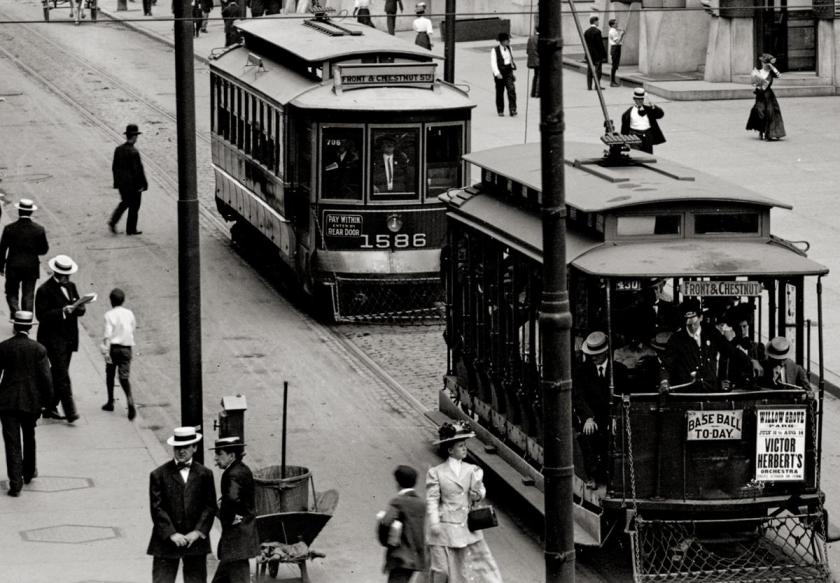
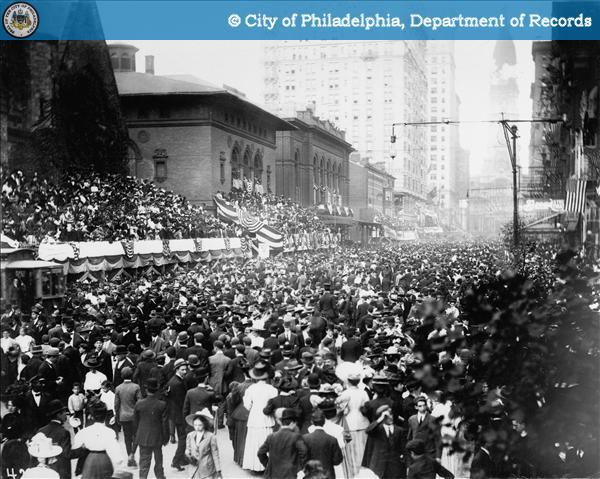
Philadelphia in 1915 was a city alive with motion—and tension.
Immigrants poured into neighborhoods already crowded. Industry demanded long hours and offered uncertain stability. Streets were full. Lives were busy. The pace was relentless.
And beneath it all was something harder to measure:
A kind of spiritual restlessness.
People were working, striving, building—but many sensed something was missing. The old certainties felt less certain. The future felt unclear.
It is no accident that revival fires so often burn brightest in moments like these.
Why It All Matters
Billy Sunday’s Philadelphia campaign did not happen in isolation.
It unfolded in a world:
- unsettled by war
- uncertain about the future
- prospering, but uneasy
- crowded, busy, and spiritually searching
When Sunday preached about sin, judgment, repentance, and decision, he was not introducing new concerns.
He was naming what people were already feeling.
And that is why they came.
A Final Word
If you want to understand the Philadelphia campaign, don’t start with the tabernacle.
Start with the world outside it.
Because Billy Sunday did not create the urgency of that moment—he stepped into it, gave it language, and called a city to respond.
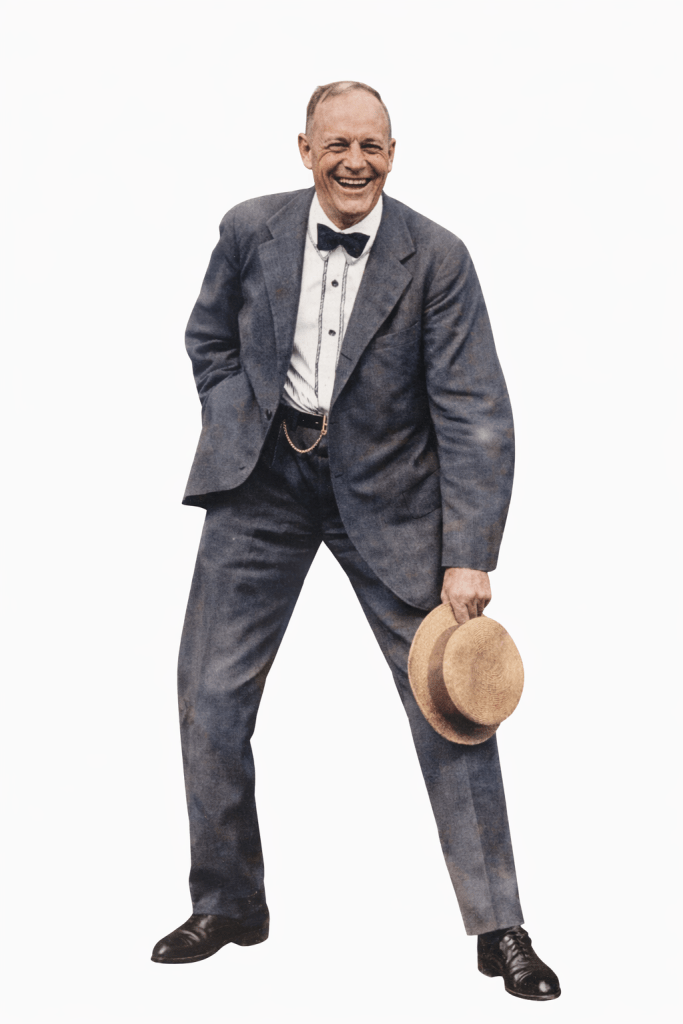
 Evangelist Billy Sunday (1862-1935)