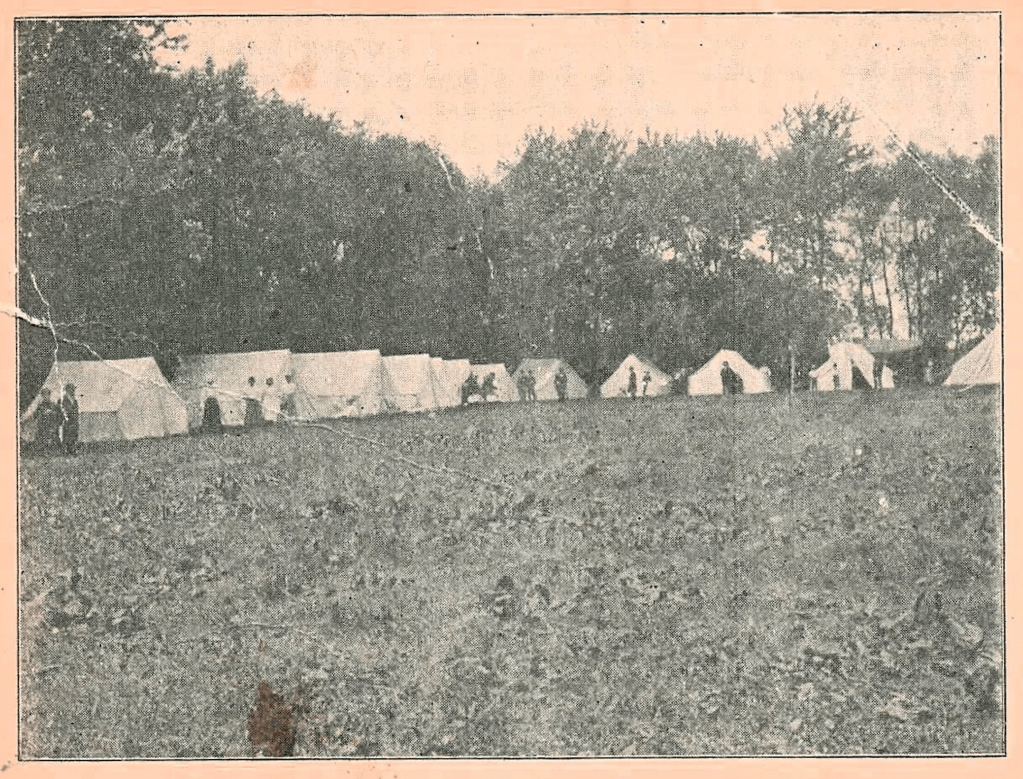
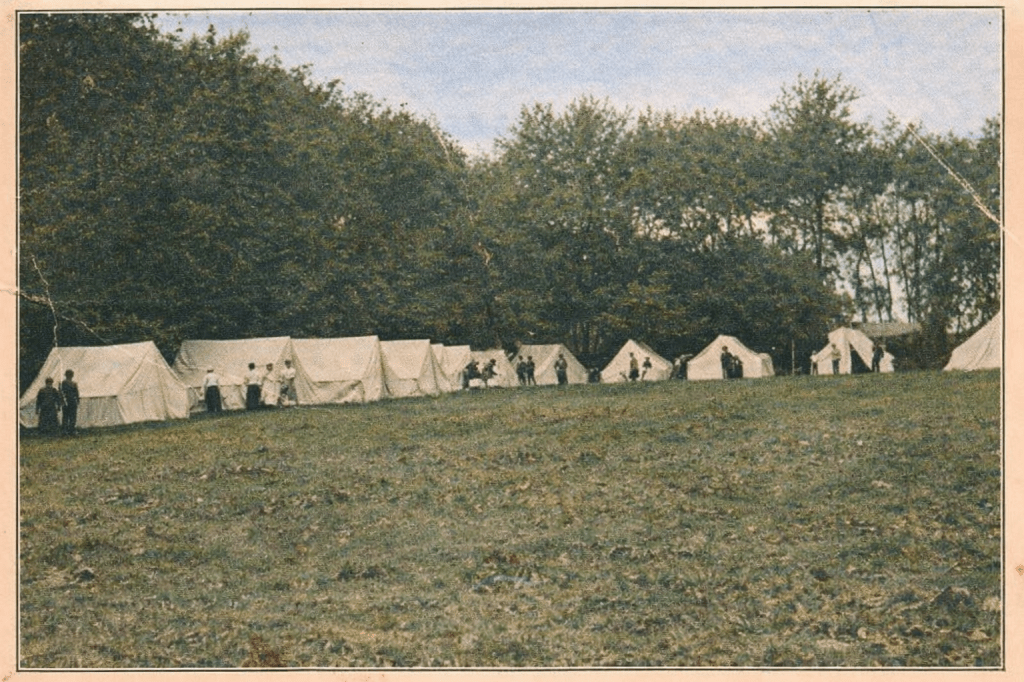
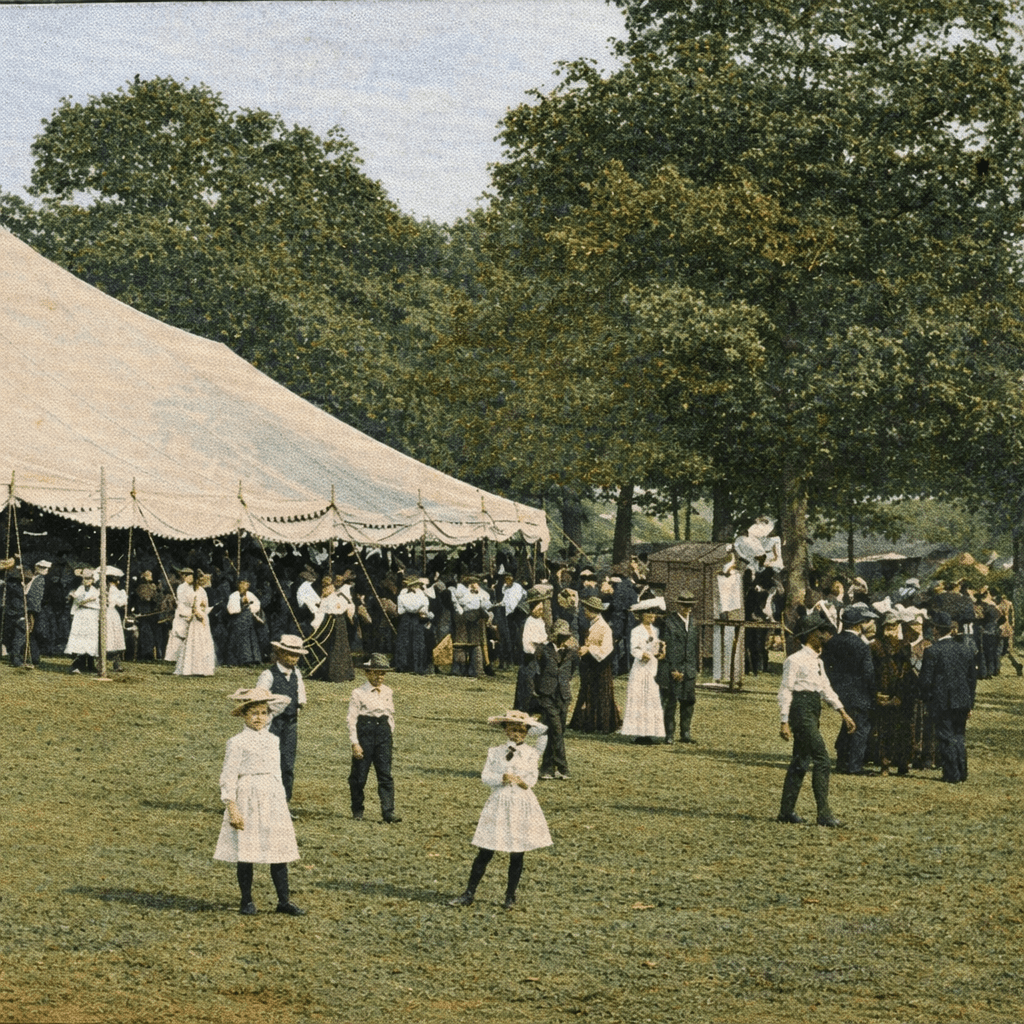
c. early 1900s. Possibly a chautauqua event.
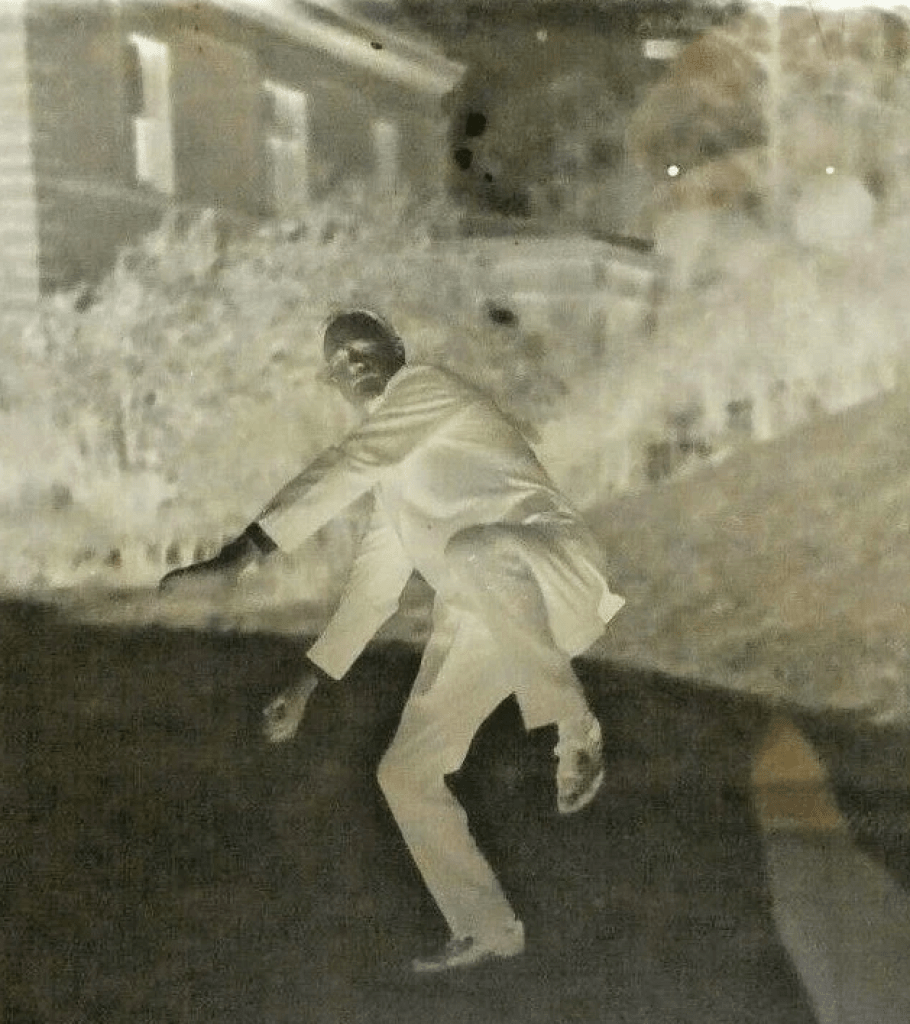
Evangelist Billy Sunday (1862-1935)
Former professional baseball player-turned urban evangelist. Follow this daily blog that chronicles the life and ministry of revivalist preacher William Ashley "Billy" Sunday (1862-1935)
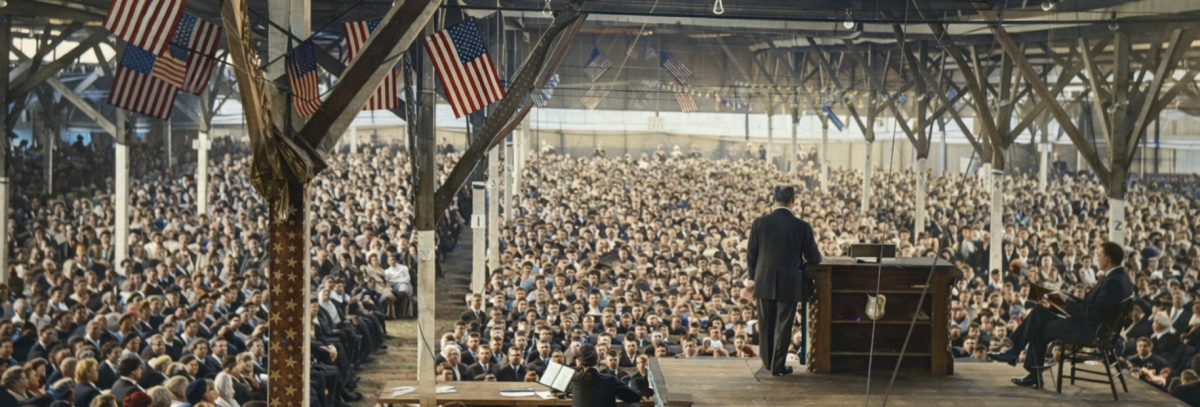
c. early 1900s. Possibly a chautauqua event.
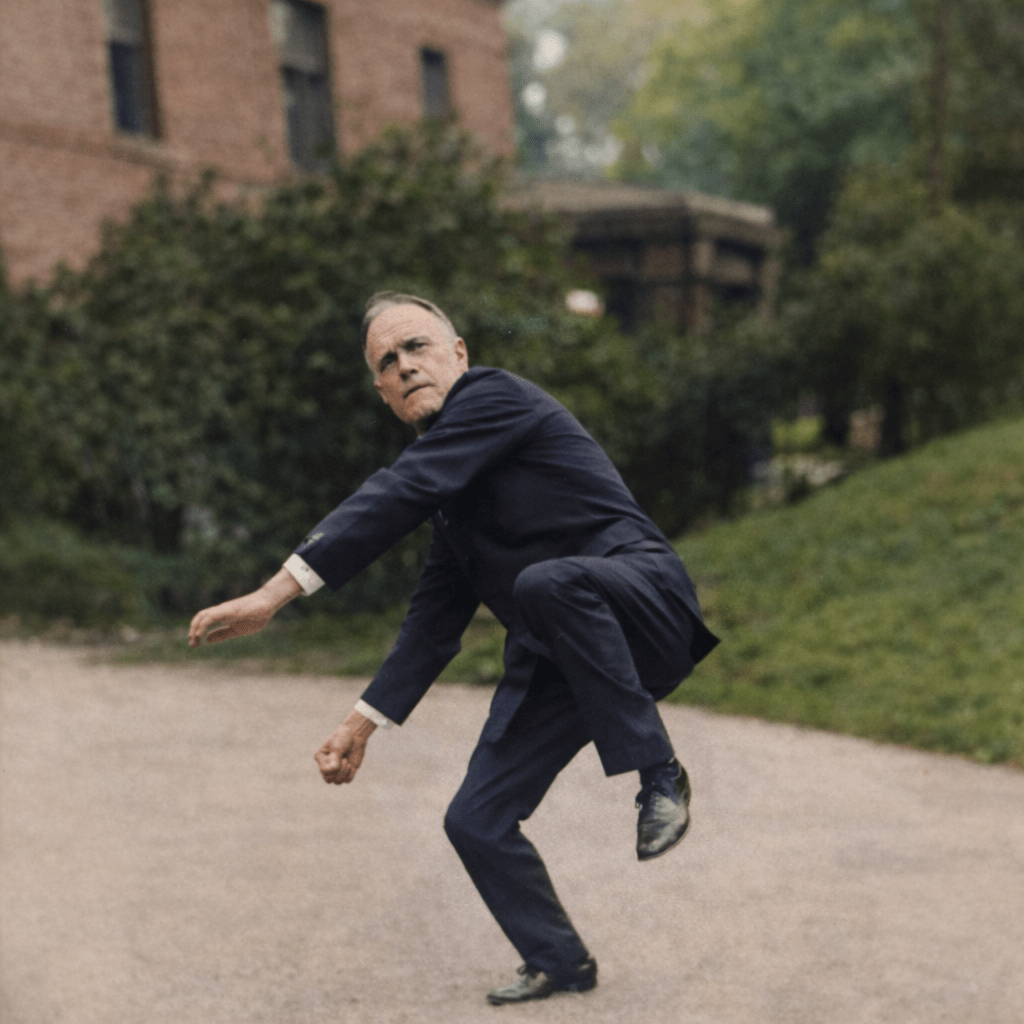
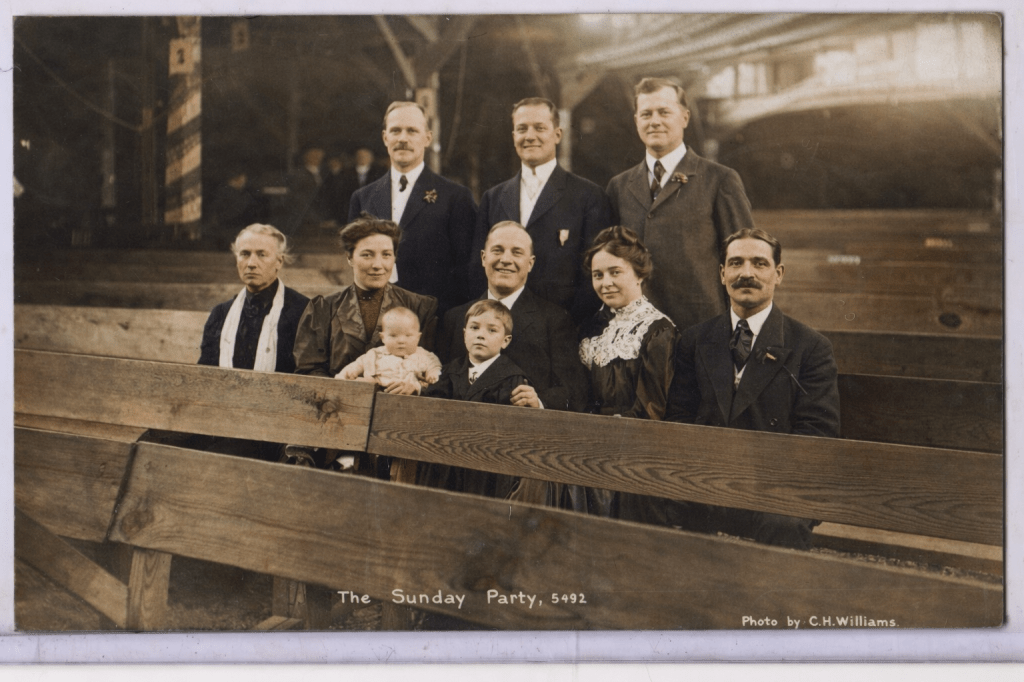
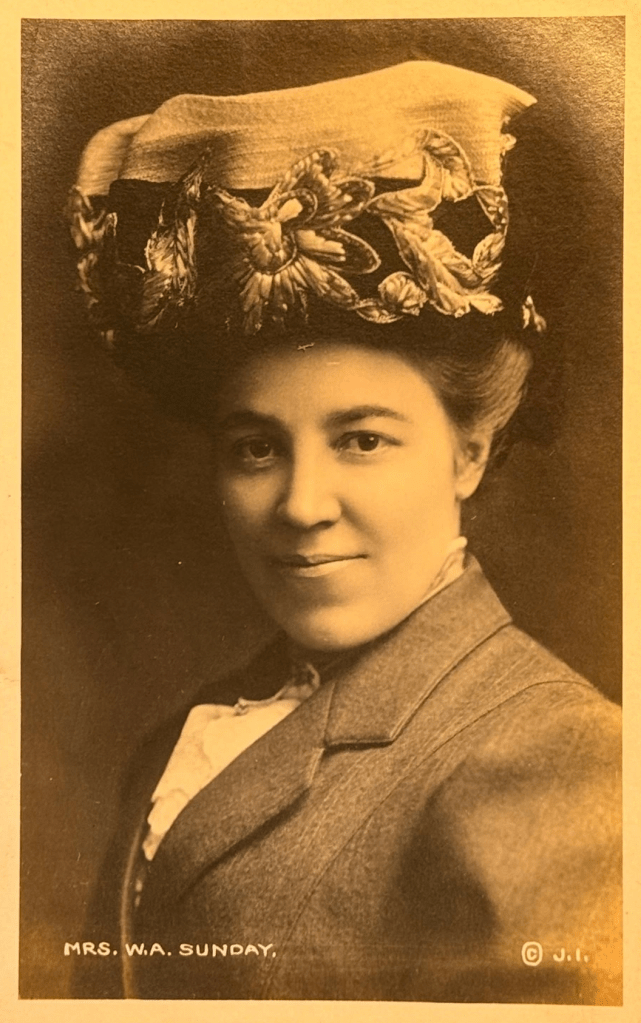
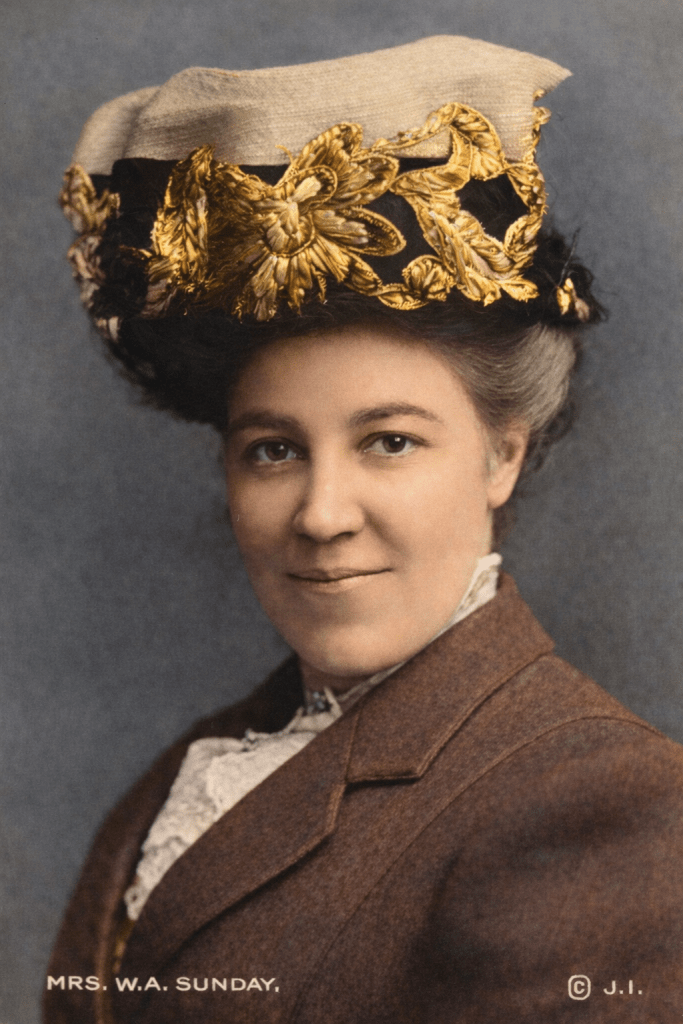
From a postcard, colorized by author.
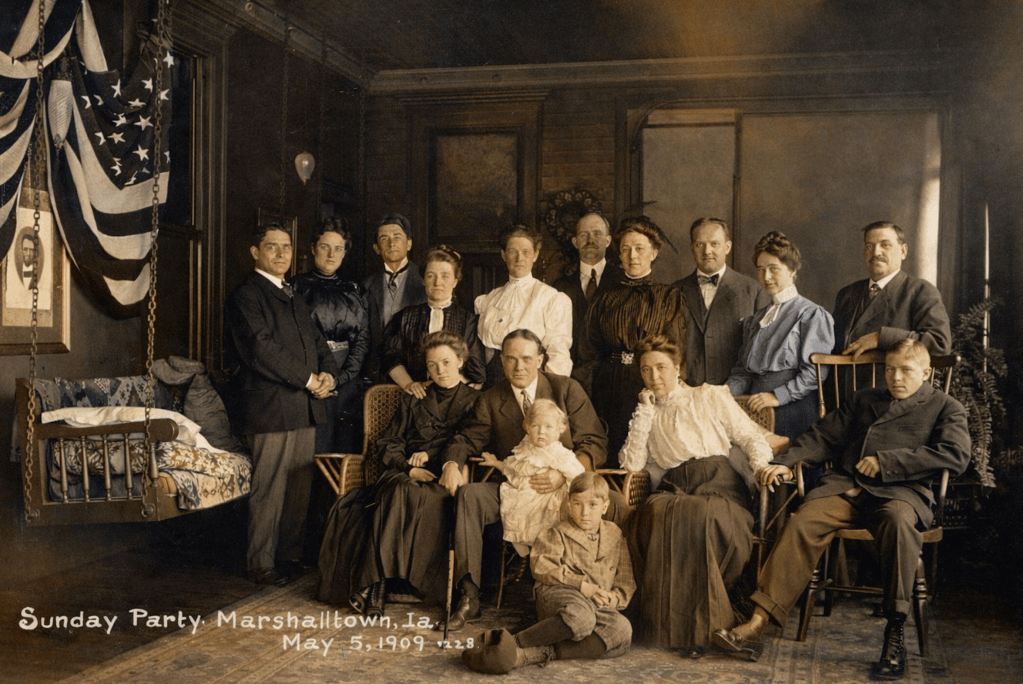
Billy Sunday Comes to Marshalltown (April–May 1909)
In the spring of 1909, Marshalltown, Iowa was transformed into a revival center that drew crowds from across the region and left a lasting mark on the community.
Billy Sunday’s campaign ran from April 25 through May 29, 1909, with the tabernacle standing as the visible heart of the movement. The vast wooden structure dominated the landscape, and every night it filled with singing, testimony, and Sunday’s electrifying preaching.
The opening night on Sunday, April 25 set an extraordinary tone.
Newspapers reported that 12,000 people attended the very first day, even though the tabernacle’s seating capacity was only 5,000. The crowd spilled out around the building, filling the grounds, streets, and nearby areas. Trains brought visitors in, local families rearranged schedules, and the entire town seemed to pulse with anticipation.
Sunday’s preaching style was unmistakable: plain-spoken, forceful, and vividly illustrated. He mixed humor, athletic imagery, moral urgency, and heartfelt appeals for personal decision, holding massive audiences in rapt attention night after night.
The campaign did not slow down.
By the final day on May 29, Sunday preached to 13,200 people, an even larger crowd than opening night. That evening, 125 people walked the “sawdust trail,” publicly committing their lives to Christ.
But the revival was far more than a handful of large meetings.
According to newspaper accounts, there were 84 separate services held inside the tabernacle alone. Beyond that, the spiritual energy of the campaign spilled into the wider city: another 528 meetings took place in churches, homes, schools, and gathering places throughout Marshalltown.
The numbers are staggering for a town of its size.
Total attendance across the six weeks reached 199,300 people. This figure included repeated attendance by many locals as well as visitors from surrounding towns and counties.
Total collections for the campaign amounted to 12,894 dollars — a substantial sum in 1909. From this, Billy Sunday personally received 6,500 dollars for himself and his team, with the rest covering the costs of running such a massive operation.
Newspapers also reported that approximately 2,000 people made professions of faith over the course of the campaign. Local pastors later testified that many of these converts joined churches and became active participants in community life.
Marshalltown formally closed the revival on June 6, according to the Freeport Weekly Standard, marking the end of one of the most intense religious seasons the city had ever experienced.
What makes Marshalltown especially significant in the story of Billy Sunday is not just the scale of attendance, but the depth of community involvement. This was not a series of isolated sermons; it was a town-wide movement that reshaped schedules, united churches, and focused public attention on moral and spiritual questions for weeks at a time.
For six remarkable weeks in 1909, Marshalltown was not simply an Iowa town — it was a crossroads where tens of thousands encountered the passionate message of America’s most famous evangelist.
Long after the tabernacle came down, people remembered that spring as a moment when their city stood at the center of something larger than itself.
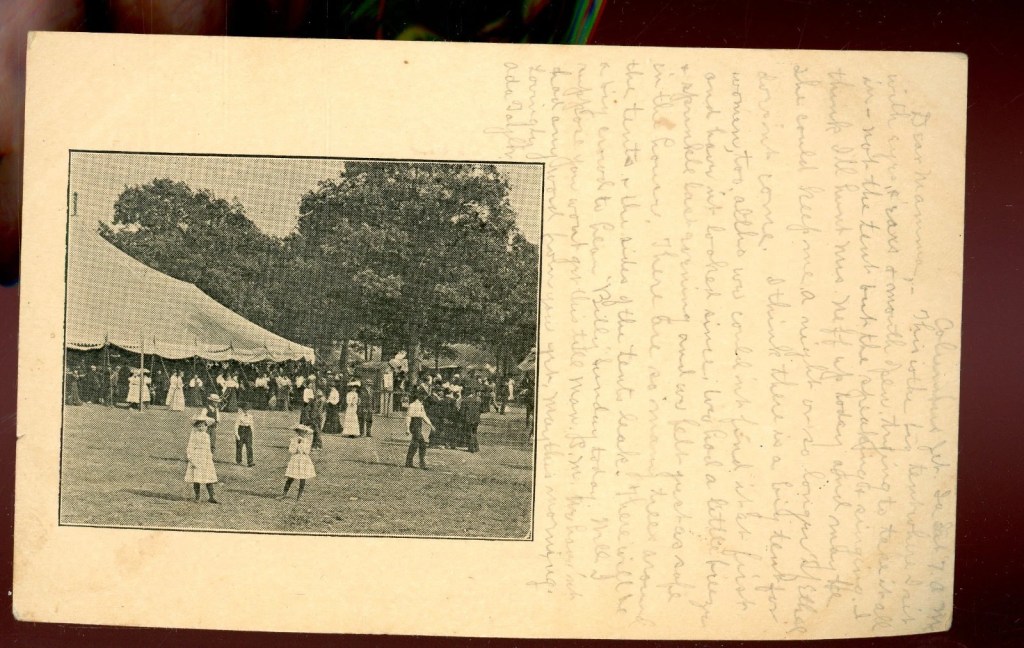
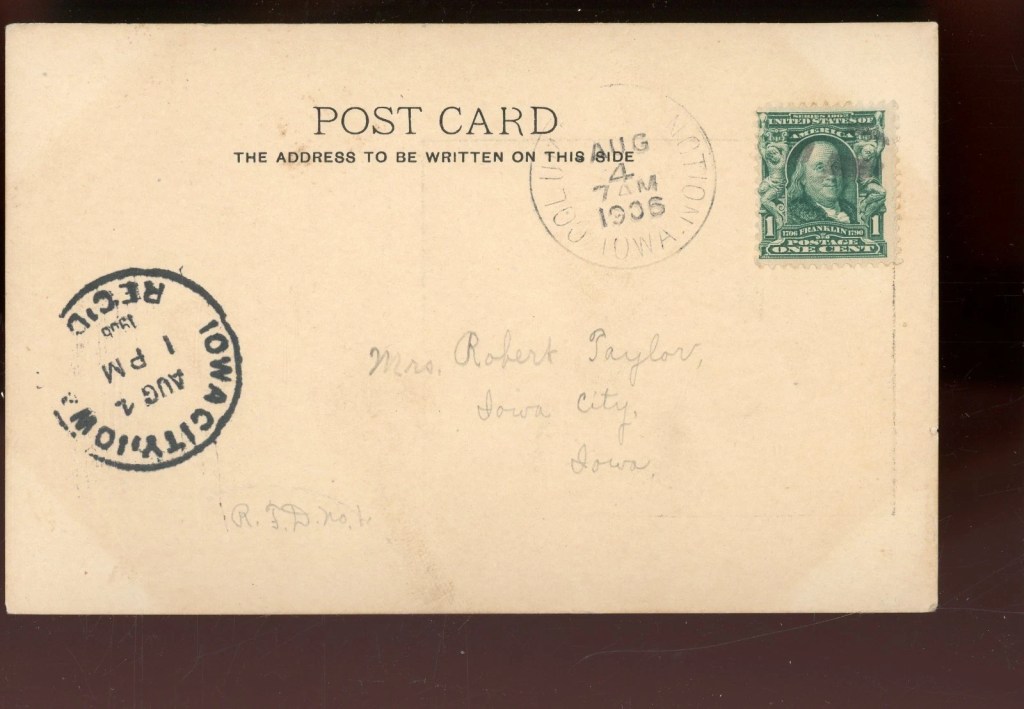
Postcard verifies Billy spoke “today” in Columbus Junction, Iowa (Chautauqua)
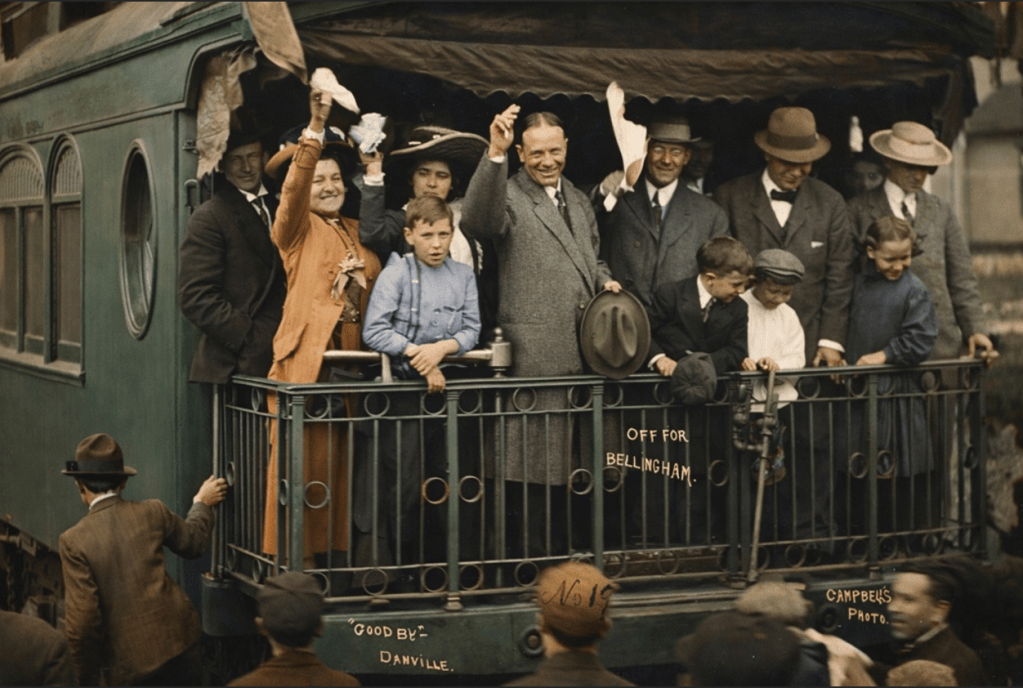
When Billy Sunday arrived in Bellingham, Washington, in the spring of 1910, the city knew something significant was about to happen.
His campaign formally began on April 17, 1910, and was scheduled to run for six weeks through May 29. Even before the opening service, anticipation was high. On April 16, The Bellingham Herald placed the coming revival on the front page, signaling that this was not just another religious meeting but a major civic event.
From the start, the campaign drew extensive attention. Local and regional newspapers covered Sunday’s meetings with unusual depth and frequency. By May 2, The Seattle Star was featuring the revival prominently on its own front page, evidence that Sunday’s influence extended far beyond Bellingham into the broader Pacific Northwest.
One of the most remarkable days came on Sunday, May 1. That evening, approximately 15,000 people crowded into the tabernacle and surrounding grounds to hear Sunday preach. The turnout was stunning for a city of Bellingham’s size at the time. Collections that day totaled $3,201.10, a substantial sum in 1910, reflecting both the generosity of the crowd and the financial scale of Sunday’s campaigns. That same service also recorded 140 conversions, showing that this was not merely spectacle but a movement that claimed measurable spiritual results.
Interest in Sunday’s work went beyond daily newspaper reports. On May 8, The Bellingham Herald devoted magazine-style coverage to the revival, suggesting that the meetings had become a defining moment in the city’s public life rather than a passing event.
Perhaps the most revealing glimpse into Sunday himself came from an interview published in The Daily Herald of Everett on May 18 under the title “Billy Sunday: His Methods, His Ideas and His Work.” In it, Sunday rejected the idea that his success came from showmanship or gimmicks. He explained his approach in characteristically plain terms:
“I haven’t any tricks. I’m just an old-fashioned preacher. I tell people in plain words the simple truth, that they are lost in sin and need salvation. I just preach the Bible – that’s all.”
That statement captures the heart of his appeal in Bellingham. He did not present himself as a social reformer, a political activist, or a religious entertainer. He came as a straightforward revival preacher who believed that the Bible, clearly proclaimed, could still change lives.
By the time the campaign concluded on May 29, Bellingham had experienced six weeks of intense preaching, packed crowds, and sustained public attention. For many residents, these meetings likely became a defining memory of the year 1910—a season when their city was temporarily at the center of a national religious movement.
The Bellingham campaign illustrates why Billy Sunday was such a powerful figure in early twentieth-century America. He could command enormous crowds, attract front-page coverage, inspire generous giving, and still insist that his effectiveness rested not on method but on message. In Bellingham, as in so many other cities, Sunday left behind not just statistics, but stories of a community stirred by revival.
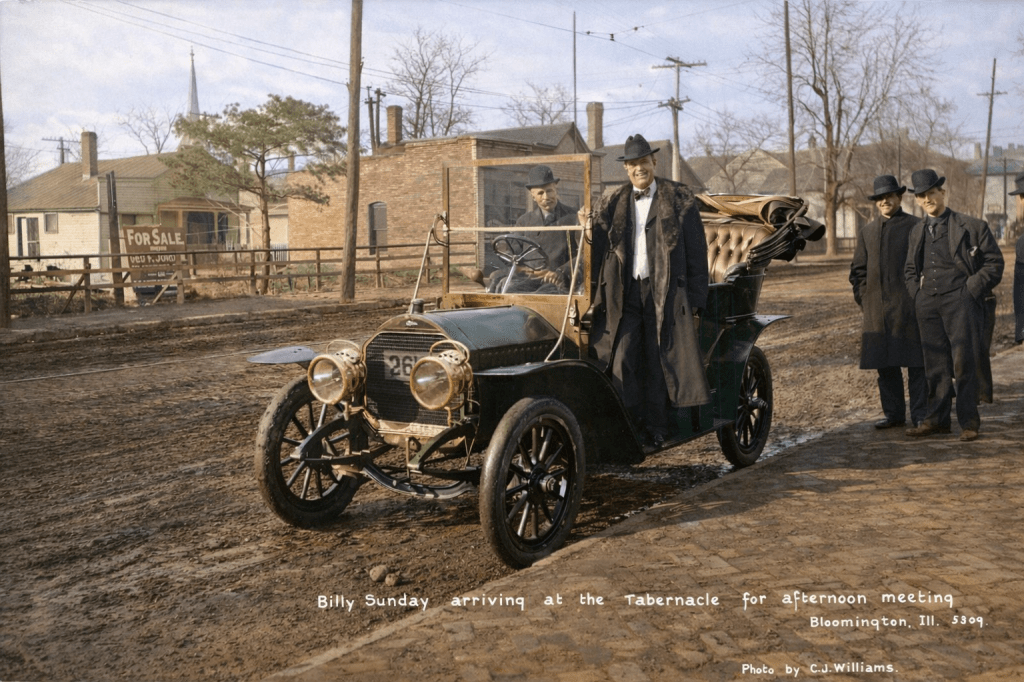
Postcard colorized by author
“New York City gave me $120,485, Mr. Sunday said, and I turned over every cent for the work that I had said I would. I went to Chicago, and the city gave me $65,000 and I gave the sum to the Pacific Garden mission. I give away a tenth of my income. And that is all right. I do not advertise all the things I do with my money. I do not tell all the world the things that I pay off. You follow me around, some of you, and I will make you dizzy with the money I give away. But I don’t have to tell anyone. It is written down above so that is all that matters.”
As reported by The Richmond Item. Fri, May 26, 1922 ·
Billy’s New York Tribune editorial
The letter was typed on the back of Richmond January 1919 letterhead
New York Tribune
New York City N.Y.
For ten weeks in New York, I went the limit of my strength preaching Christ and Him crucified, explaining as plainly as I could the plan of Salvation as revealed in the Bible. Hundreds of thousands flocked to the old Tabernacle at One Hundred and sixty-eighth street and Broadway (the dearest spot in little old New York to me) and tens of thousands publicly expressed their faith in His atoning blood, proving beyond question of a doubt that people are willing and eager to go hear the Bible explained but will not go to hear it explained away.
There is no Christianity without the deity of Christ, there is no Salvation without faith in the atonement of Christ on Calvary. The doctrine that God is the father of us all and that “self-sacrifice is the key to Heaven” is religious bunk. The fountain head of this horrible war that has drenched the world with blood you will find was in that infamous hellish theology made in Germany. It is now showing its fangs in Russia.
The future existence of our government and its institutions depend in a large measure upon the class of people who will soon be called upon to assist in solving the grave problems that lie just ahead of us. It has been well said that this is a government of the people, by the people and for the people. Therefore, it can rise no higher than the plane of its citizenship. Christianity is the only weapon with which we may successfully contend against extreme Socialism, Bolshevism, I.W. Wism and Anarchy.
When I pronounced the benediction the last night in New York my responsibility for the work there ended. I’ve never yet been satisfied with the results of any campaign I have ever conducted. No business house does as much business as it would like to do. No newspaper ever has as large a circulation as the owner would like to have. No doctor saves as many lives as he would like to save. I have never seen as many people accept Christ as I would like to see but I do my utmost in every campaign.
In a city where I held a campaign there was a church four squares from the Tabernacle. The pastor did not openly oppose the meeting, but he did not encourage his people to help. He had no ushers from his church in the aisles, no singers in the choir, no personal workers in the building, nobody on the committees. Neither he nor his church made any special investment of time energy or money. A few weeks after the meeting closed, he published a statement that though his church was scarcely more than a stone’s throw from the Tabernacle there were no results, and the campaign was a failure.
In the same city another pastor, whose church was seven miles away, entered actively into the campaign. His men were ushers, his singers were in the choir, his workers zealous and untiring in their efforts to win others. He and his people invested largely in time, strength and money and within two weeks after the campaign closed nearly one hundred persons united with his church on profession of faith. And this pastor published a statement that the campaign was a great success. To the one object failure – to the other, a triumphant success. One used a hammer, the other a saw, draw your own conclusions.
As long as God gives me strength I will keep pounding away at the fortifications of sin and pointing men to Jesus Christ as the only way of Salvation, no matter who knocks.
Don’t worry about old John Barleycorn. He has been tried, convicted, sentenced by forty states and today he sits strapped in the chair waiting for the executioner to pull the lever. His time is about up. I’ve given him a few uppercuts myself during the past twenty-five years and you can write it down in your blue book that I’m getting ready to preach his funeral sermon and close with the doxology.
W.A. Sunday
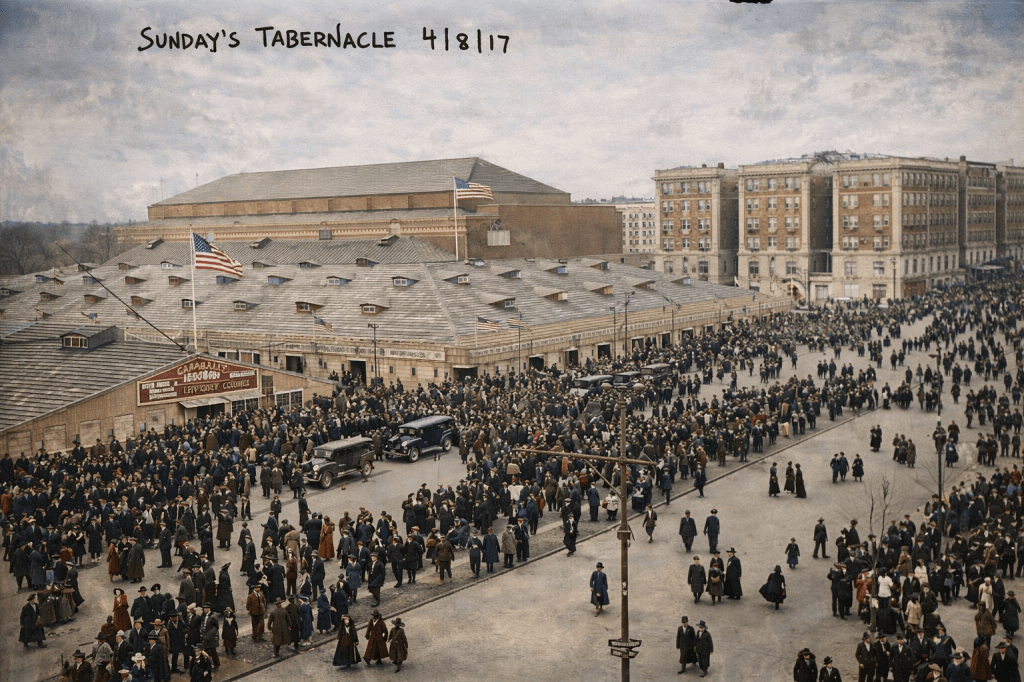
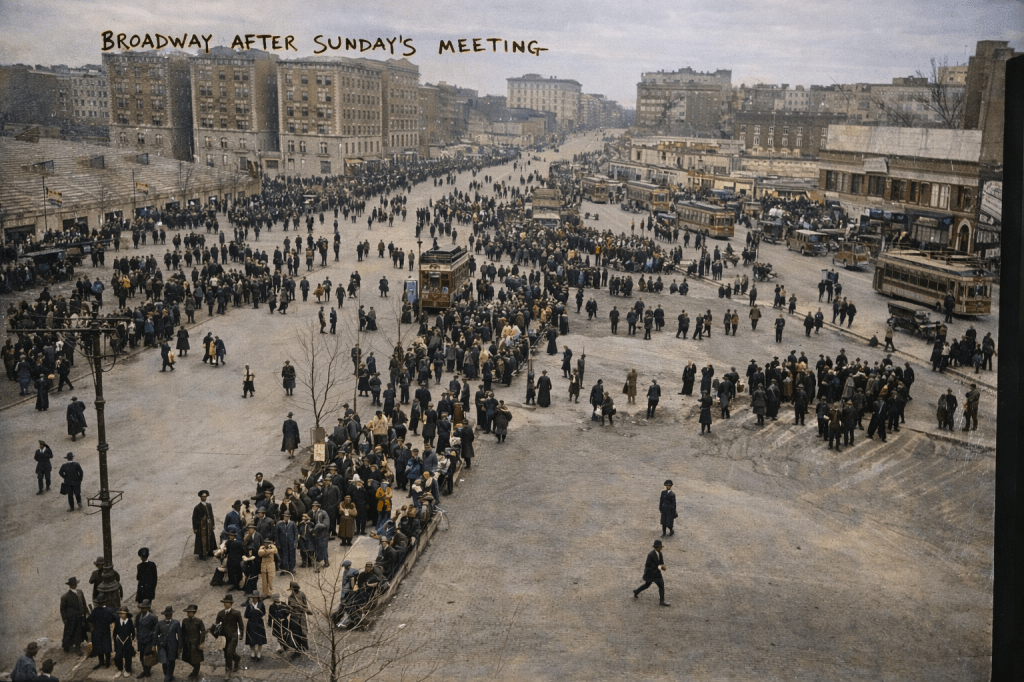
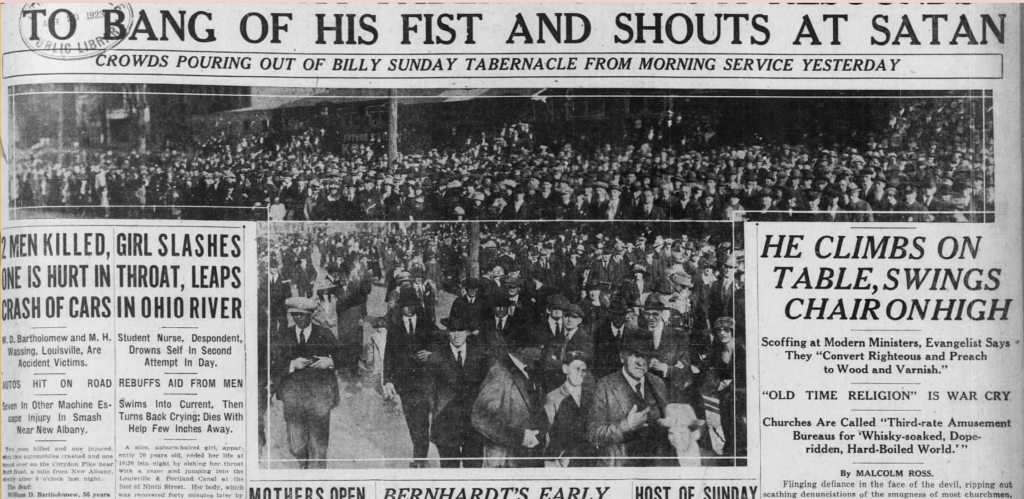
Billy used the newly constructed Kosair Auditorium for his Louisville revival meetings (April 22 – June 2).
” . . . during the six weeks of the revival to be held at the Kosair Auditorium, on Broadway between Floyd and Brook streets.” Source – newspaper

Now location of the 1922-23 Kosair Auditorium, adjacent to the Kosair Temple (now the Norton Research Institute).
The current Norton Research Institute was the original Kosair Temple, NOT the Auditorium. 224 E. Broadway (between Brook and Jackson Streets)

The Auditorium (Broadway between Floyd and Brook) pre-dated the Temple and likely served as a temporary venue while the Shrine built its new home a few blocks east (between Brook and Jackson).
 Evangelist Billy Sunday (1862-1935)