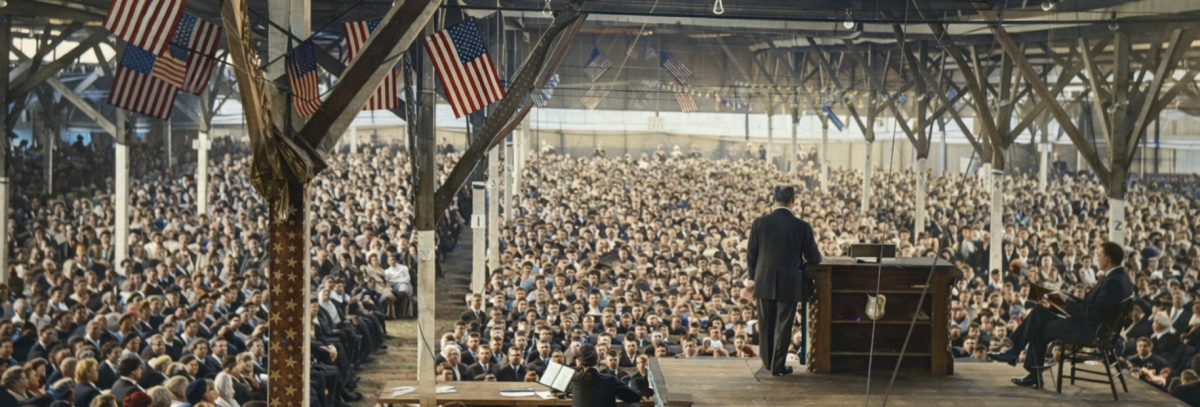
When Billy Sunday arrived in Philadelphia in early 1915, he stepped into a city alive with options.
This wasn’t a spiritually quiet moment in American life—it was a crowded marketplace of attention. Every night, Philadelphians could choose where to go, what to watch, and how to spend their time. Entertainment was not scarce; it was everywhere. And much of it was designed to delight, distract, and hold an audience far more comfortably than a hard-hitting revival sermon.
That’s what makes Sunday’s campaign so compelling.
He didn’t draw crowds because there was nothing else to do.
He drew crowds in spite of everything else there was to do.
Let’s step into that world.
The Bright Lights of the Theatre
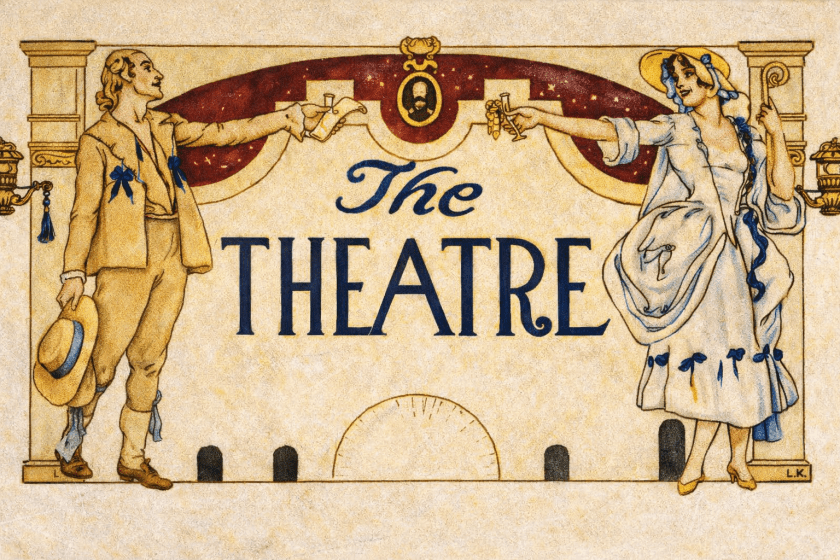
Philadelphia had a thriving theatre scene—serious plays, comedies, and traveling productions that brought a touch of Broadway to the city. These venues were polished and respectable, often appealing to middle- and upper-class audiences.
An evening at the theatre meant dressing well, sitting in a structured setting, and watching trained actors perform carefully scripted stories. It was entertainment with dignity—refined, cultural, and often expensive.
The theatre still carried prestige in 1915, but it was no longer the only game in town.
Vaudeville: Fast, Funny, and Everywhere
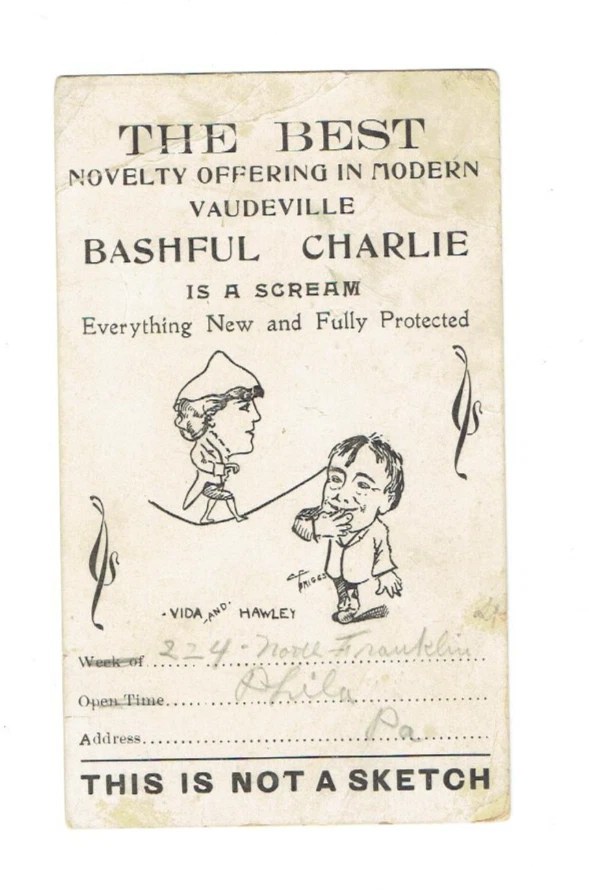
If theatre was refined, vaudeville was electric.
Vaudeville shows were built on variety—comedians, singers, dancers, acrobats, magicians—all packed into a single program. The pace was quick, the tone was lively, and the appeal was broad.
For many working-class and middle-class Philadelphians, vaudeville was the go-to night out. It was affordable, constantly changing, and full of energy. No two shows were exactly alike, and that unpredictability kept audiences coming back.
In 1915, vaudeville was at or near its peak. It wasn’t just popular—it was a cultural force.
The Rise of the Photoplay
And then there were the movies—still new, still evolving, but already reshaping the landscape.
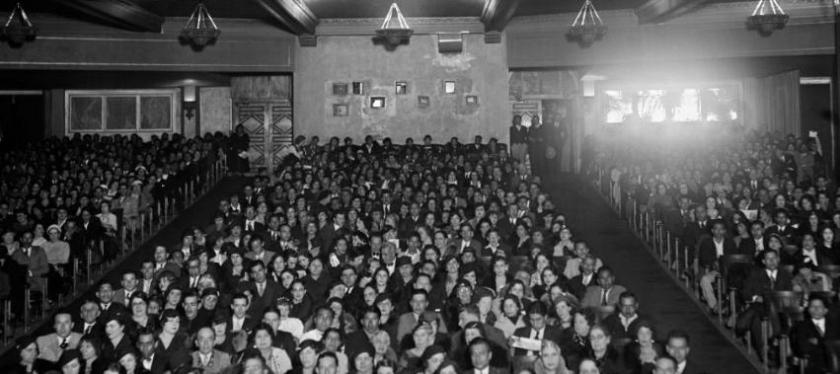
They were called photoplays, and by 1915 they were drawing massive crowds. For just a few cents, people could step into a darkened theater and be transported into another world through silent film.
That same year saw the release of The Birth of a Nation, a film that demonstrated just how powerful and immersive cinema could be.
Movies had three advantages that made them unstoppable:
- They were cheap
- They were accessible
- They were constantly changing
In many ways, they represented the future of entertainment—and people knew it.
Music, Dance, and the Pull of the Nightlife
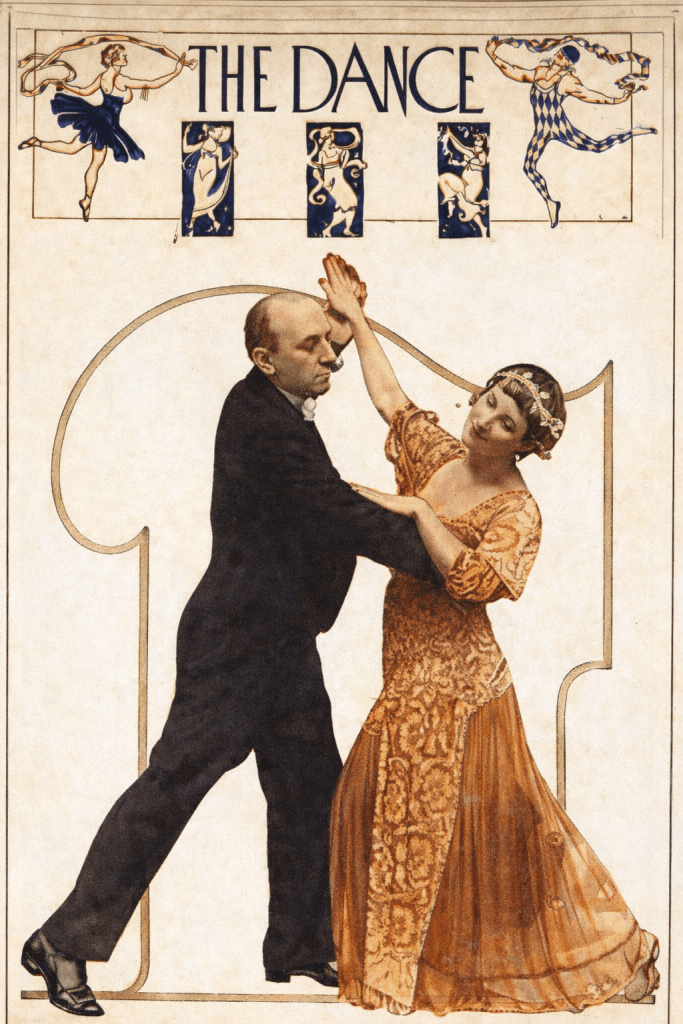
For younger audiences especially, entertainment wasn’t just about watching—it was about participating.
Dance halls and social clubs offered ragtime music, lively crowds, and a chance to be part of the action. These venues were social, energetic, and often stretched late into the night.
They were also controversial.
Revivalists like Billy Sunday frequently warned against the moral dangers of dance halls, seeing them as places where discipline gave way to impulse. But for many in the city, they were simply where life felt most alive.
Traveling Shows and Big-Tent Spectacle
Even in a major city, the draw of spectacle remained strong.
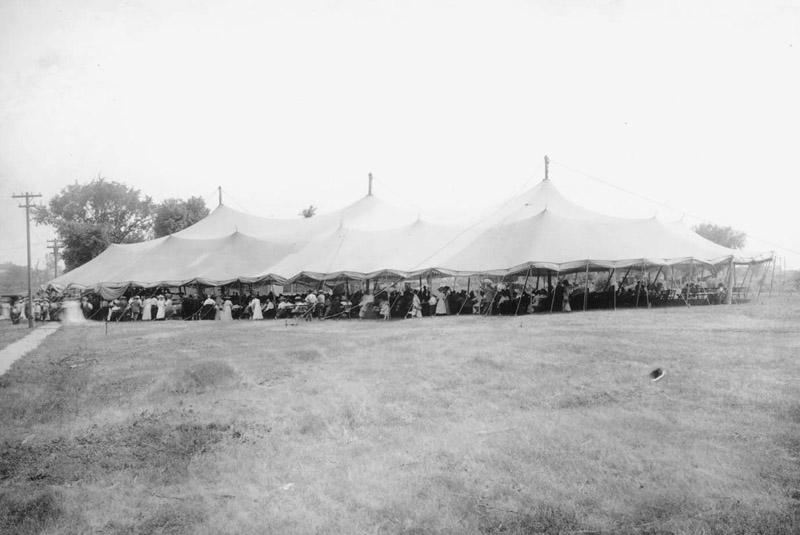
Circuses, traveling shows, and Chautauqua events brought something different—large-scale experiences that combined entertainment, education, and wonder. Whether it was a circus parade or a lecture under a tent, these events added to the sense that something exciting was always happening just around the corner.
They were part of the cultural fabric, especially for families and those looking for something beyond the everyday.
And Then… There Was the Tabernacle
Into that world stepped Billy Sunday.
No velvet curtains.
No orchestra.
No stagecraft.
Just a rough wooden tabernacle, a sawdust-covered floor, and a preacher who spoke with urgency and conviction.
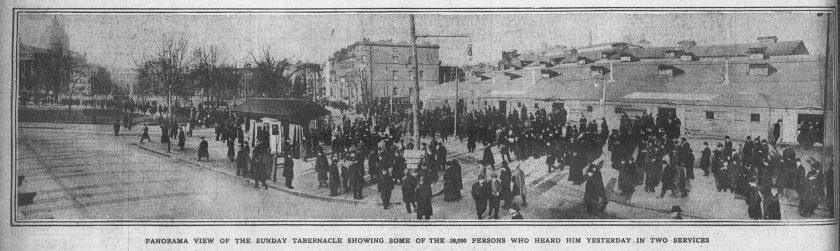
And yet—night after night—people came.
Why?
Because Sunday offered something none of the others could.
- The theatre entertained.
- Vaudeville amused.
- Movies captivated.
- Dance halls energized.
But Sunday confronted.
He spoke about sin, purpose, eternity, and the need for decision. His meetings were not passive experiences. They demanded a response.
The Real Story
The real story of Philadelphia in 1915 is not just that Billy Sunday drew crowds.
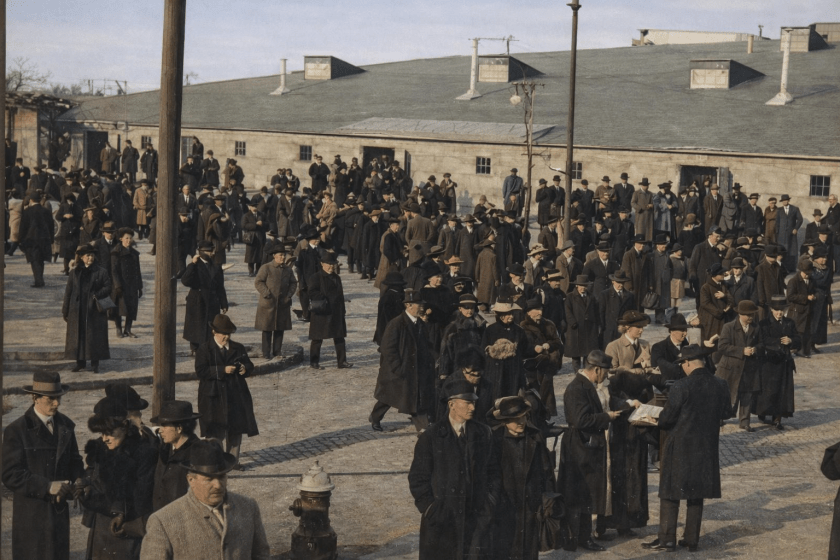
It’s that he drew them in the middle of one of the most competitive entertainment environments America had ever seen.
Every night, people made a choice.
They could laugh, watch, dance, or be distracted.
Or they could walk into a wooden tabernacle and be challenged.
And tens of thousands chose the latter.
That’s not just revival.
That’s a man—and a message—breaking through the noise of an entire culture.

 Evangelist Billy Sunday (1862-1935)