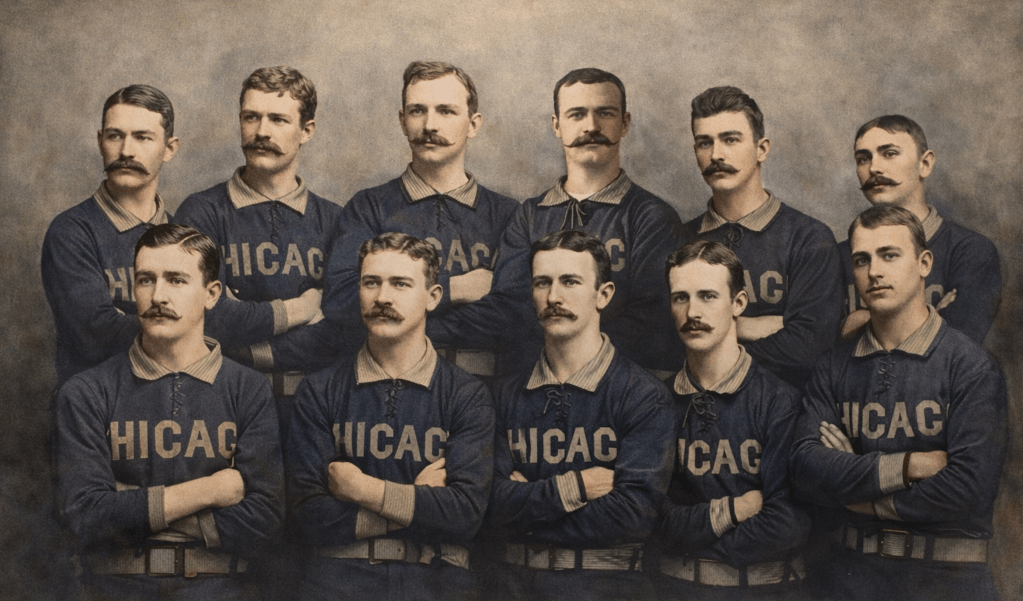
Colorized and restored by author

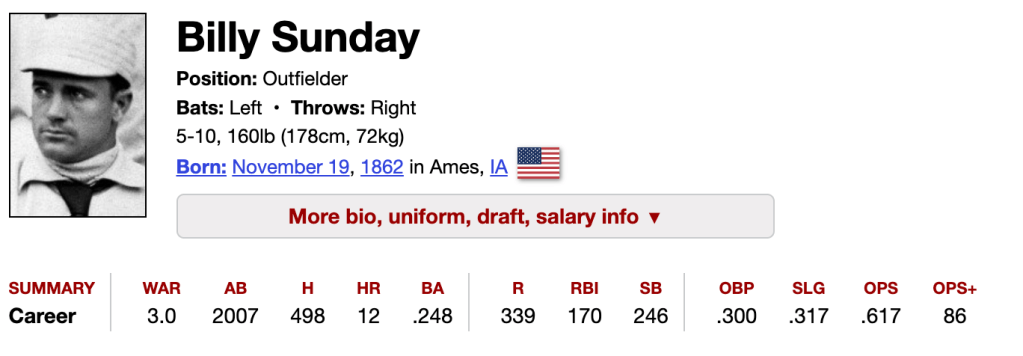
His stats according to BaseballReference.com
Evangelist Billy Sunday (1862-1935)
Former professional baseball player-turned urban evangelist. Follow this daily blog that chronicles the life and ministry of revivalist preacher William Ashley "Billy" Sunday (1862-1935)
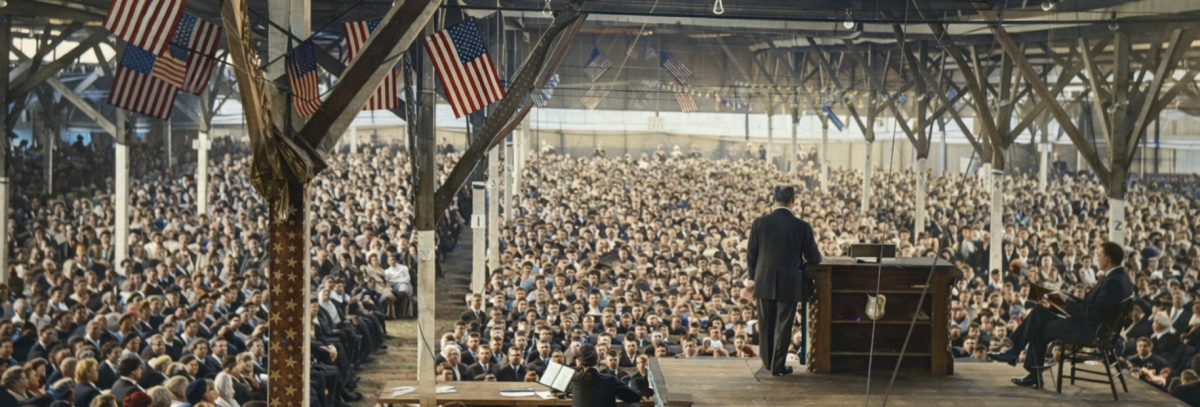
Colorized and restored by author
His stats according to BaseballReference.com
When Billy Sunday rolled into Beaver Falls, Pennsylvania, in the spring of 1912, the town was not simply hosting another traveling preacher — it was about to experience one of the most energetic revival campaigns of the Progressive Era.
From May 19 to June 24, 1912, Sunday’s massive wooden tabernacle stood as the focal point of community life. Every night the building filled with the noise of hymns, sawdust underfoot, and Sunday’s unmistakable mix of athletic bravado, homespun humor, and urgent gospel appeal.
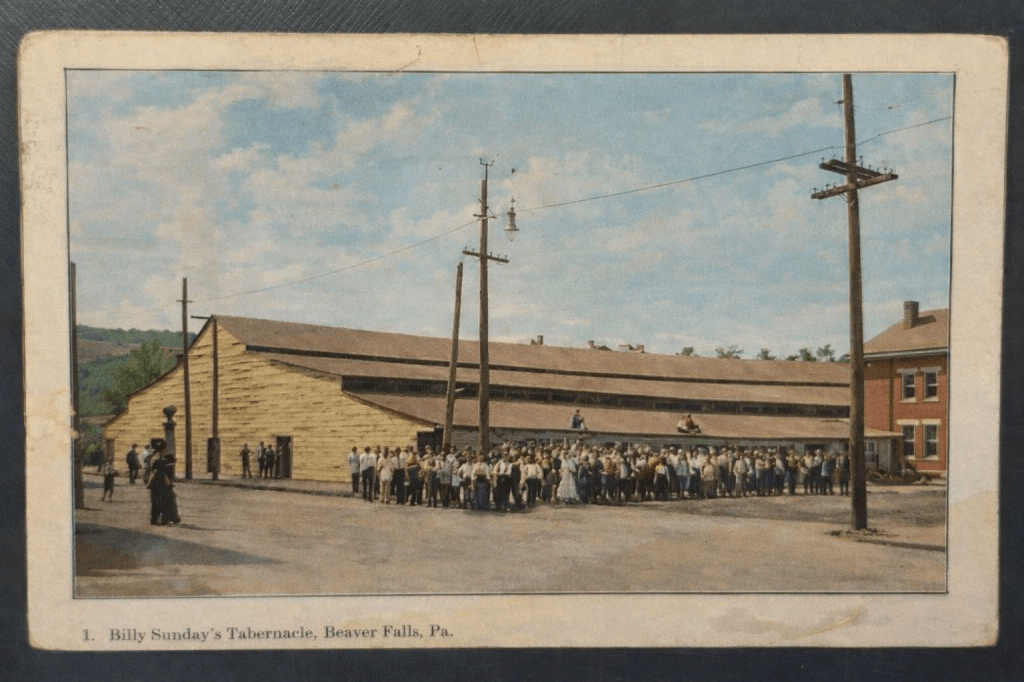
The campaign opened on Sunday, May 19, 1912, and the response was immediate. Newspapers report that 5,000 people packed the tabernacle that first day — a remarkable turnout for a town the size of Beaver Falls.
This wasn’t curiosity alone. People came expecting something — conviction, hope, or perhaps just the spectacle of America’s most famous evangelist in action. What they received was classic Billy Sunday: vivid stories, blunt moral challenge, and a call for personal decision.
Over the next five weeks, the revival became the center of local conversation. Businesses adjusted hours, families planned around evening services, and local pastors cooperated in ways that were rare in an age of denominational competition.
By the end of the campaign, the results were striking:
Newspapers emphasized that this was not simply emotional enthusiasm. Churches reported new members, families reconciled, and local leaders spoke of a noticeable moral impact on the town.
Perhaps the most surprising moment of the campaign came not in the tabernacle, but on a college campus.
While in Beaver Falls, Sunday was awarded an honorary doctorate from Westminster College in Pennsylvania.
This was no small thing.
Sunday had no formal theological training. He was a former baseball player turned evangelist — rough around the edges, energetic, and deeply practical. Yet Westminster recognized that his cultural influence and moral leadership were shaping American religious life in ways few professors ever could.
In many ways, the honor symbolized something larger: Billy Sunday had moved from being a popular revivalist to a nationally respected religious figure.
The Beaver Falls campaign illustrates why Billy Sunday mattered in American history:
For six weeks in 1912, Beaver Falls became a spiritual crossroads where ordinary people encountered an extraordinary evangelist — and many left changed.
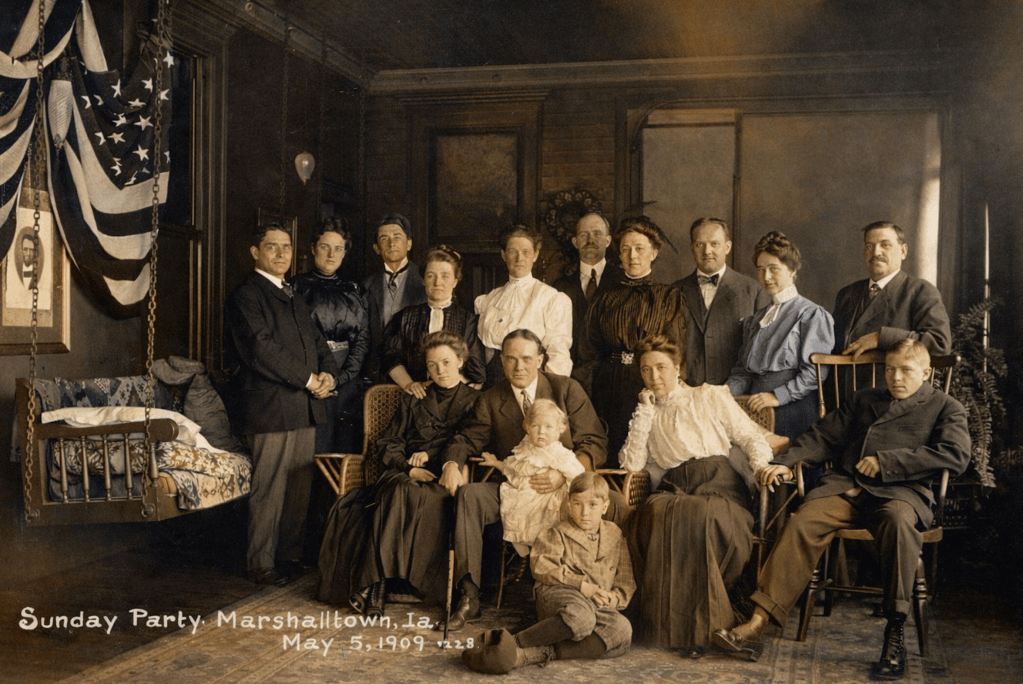
Billy Sunday Comes to Marshalltown (April–May 1909)
In the spring of 1909, Marshalltown, Iowa was transformed into a revival center that drew crowds from across the region and left a lasting mark on the community.
Billy Sunday’s campaign ran from April 25 through May 29, 1909, with the tabernacle standing as the visible heart of the movement. The vast wooden structure dominated the landscape, and every night it filled with singing, testimony, and Sunday’s electrifying preaching.
The opening night on Sunday, April 25 set an extraordinary tone.
Newspapers reported that 12,000 people attended the very first day, even though the tabernacle’s seating capacity was only 5,000. The crowd spilled out around the building, filling the grounds, streets, and nearby areas. Trains brought visitors in, local families rearranged schedules, and the entire town seemed to pulse with anticipation.
Sunday’s preaching style was unmistakable: plain-spoken, forceful, and vividly illustrated. He mixed humor, athletic imagery, moral urgency, and heartfelt appeals for personal decision, holding massive audiences in rapt attention night after night.
The campaign did not slow down.
By the final day on May 29, Sunday preached to 13,200 people, an even larger crowd than opening night. That evening, 125 people walked the “sawdust trail,” publicly committing their lives to Christ.
But the revival was far more than a handful of large meetings.
According to newspaper accounts, there were 84 separate services held inside the tabernacle alone. Beyond that, the spiritual energy of the campaign spilled into the wider city: another 528 meetings took place in churches, homes, schools, and gathering places throughout Marshalltown.
The numbers are staggering for a town of its size.
Total attendance across the six weeks reached 199,300 people. This figure included repeated attendance by many locals as well as visitors from surrounding towns and counties.
Total collections for the campaign amounted to 12,894 dollars — a substantial sum in 1909. From this, Billy Sunday personally received 6,500 dollars for himself and his team, with the rest covering the costs of running such a massive operation.
Newspapers also reported that approximately 2,000 people made professions of faith over the course of the campaign. Local pastors later testified that many of these converts joined churches and became active participants in community life.
Marshalltown formally closed the revival on June 6, according to the Freeport Weekly Standard, marking the end of one of the most intense religious seasons the city had ever experienced.
What makes Marshalltown especially significant in the story of Billy Sunday is not just the scale of attendance, but the depth of community involvement. This was not a series of isolated sermons; it was a town-wide movement that reshaped schedules, united churches, and focused public attention on moral and spiritual questions for weeks at a time.
For six remarkable weeks in 1909, Marshalltown was not simply an Iowa town — it was a crossroads where tens of thousands encountered the passionate message of America’s most famous evangelist.
Long after the tabernacle came down, people remembered that spring as a moment when their city stood at the center of something larger than itself.
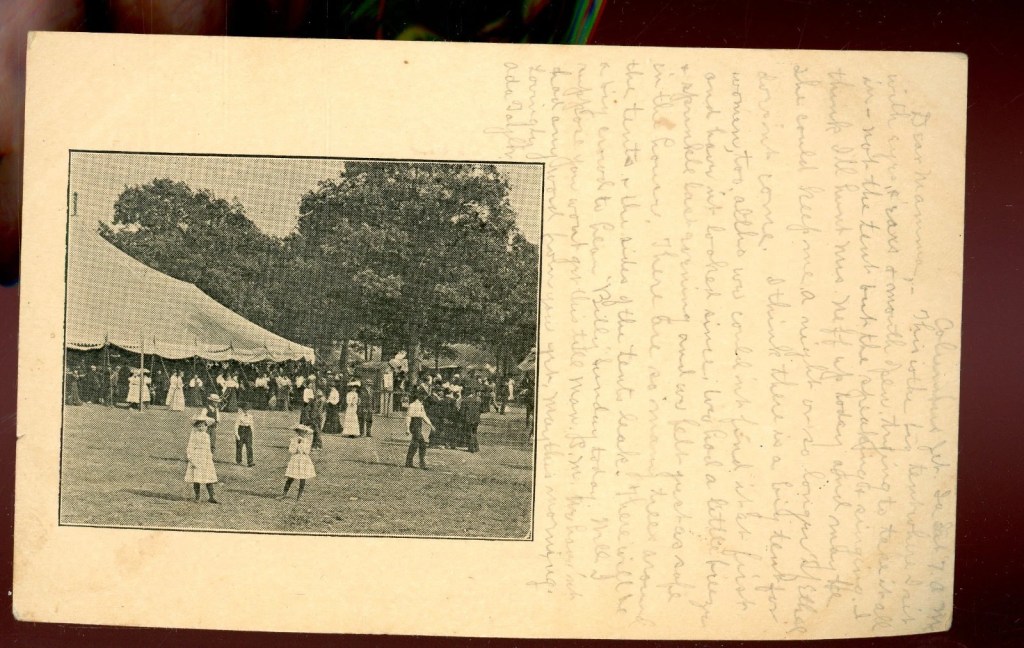
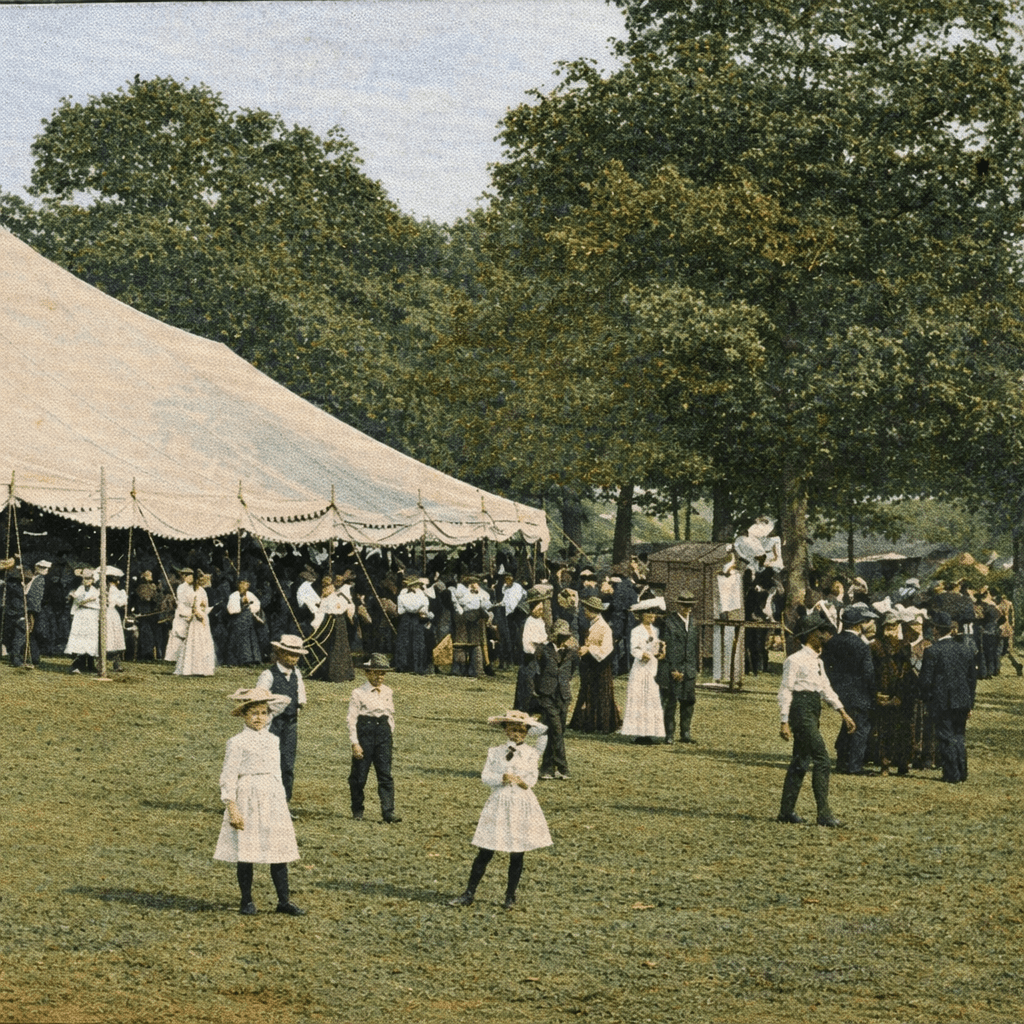
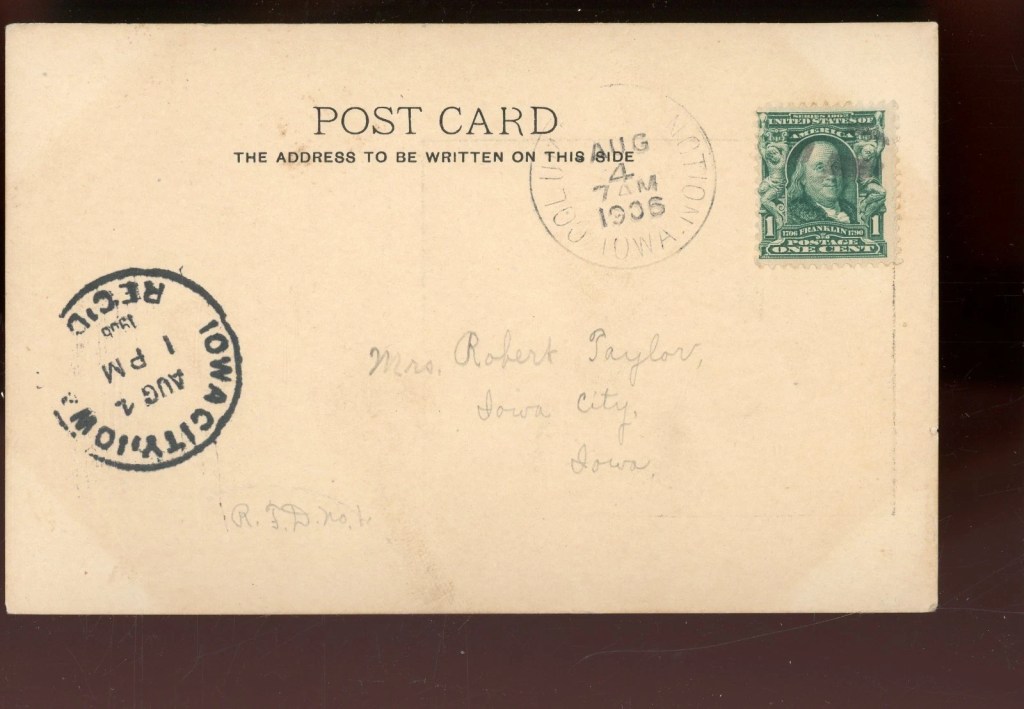
Postcard verifies Billy spoke “today” in Columbus Junction, Iowa (Chautauqua)
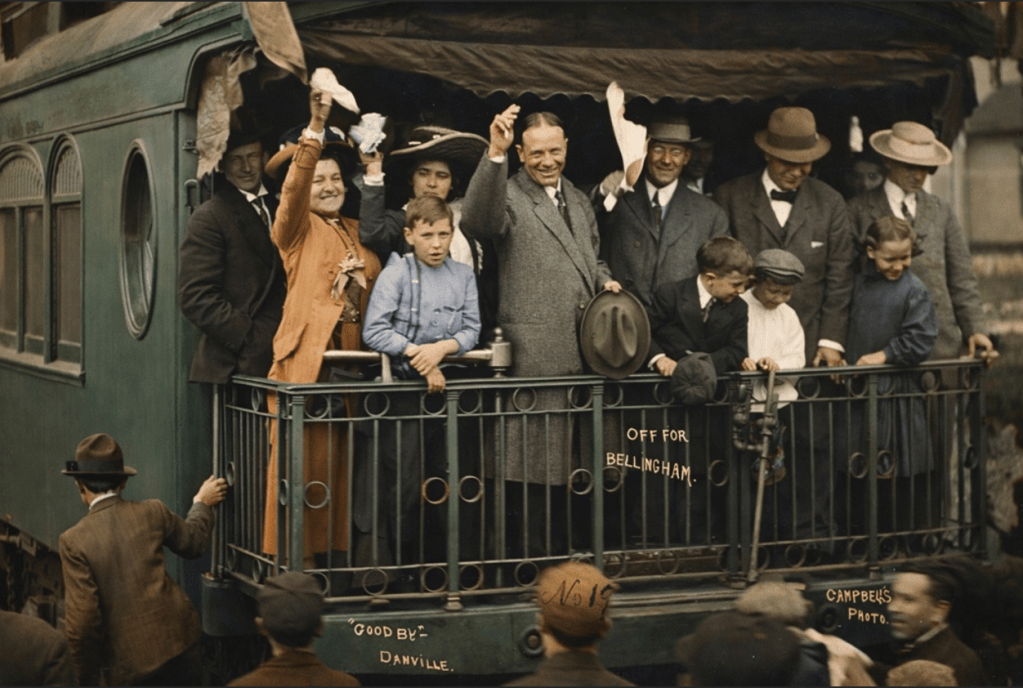
When Billy Sunday arrived in Bellingham, Washington, in the spring of 1910, the city knew something significant was about to happen.
His campaign formally began on April 17, 1910, and was scheduled to run for six weeks through May 29. Even before the opening service, anticipation was high. On April 16, The Bellingham Herald placed the coming revival on the front page, signaling that this was not just another religious meeting but a major civic event.
From the start, the campaign drew extensive attention. Local and regional newspapers covered Sunday’s meetings with unusual depth and frequency. By May 2, The Seattle Star was featuring the revival prominently on its own front page, evidence that Sunday’s influence extended far beyond Bellingham into the broader Pacific Northwest.
One of the most remarkable days came on Sunday, May 1. That evening, approximately 15,000 people crowded into the tabernacle and surrounding grounds to hear Sunday preach. The turnout was stunning for a city of Bellingham’s size at the time. Collections that day totaled $3,201.10, a substantial sum in 1910, reflecting both the generosity of the crowd and the financial scale of Sunday’s campaigns. That same service also recorded 140 conversions, showing that this was not merely spectacle but a movement that claimed measurable spiritual results.
Interest in Sunday’s work went beyond daily newspaper reports. On May 8, The Bellingham Herald devoted magazine-style coverage to the revival, suggesting that the meetings had become a defining moment in the city’s public life rather than a passing event.
Perhaps the most revealing glimpse into Sunday himself came from an interview published in The Daily Herald of Everett on May 18 under the title “Billy Sunday: His Methods, His Ideas and His Work.” In it, Sunday rejected the idea that his success came from showmanship or gimmicks. He explained his approach in characteristically plain terms:
“I haven’t any tricks. I’m just an old-fashioned preacher. I tell people in plain words the simple truth, that they are lost in sin and need salvation. I just preach the Bible – that’s all.”
That statement captures the heart of his appeal in Bellingham. He did not present himself as a social reformer, a political activist, or a religious entertainer. He came as a straightforward revival preacher who believed that the Bible, clearly proclaimed, could still change lives.
By the time the campaign concluded on May 29, Bellingham had experienced six weeks of intense preaching, packed crowds, and sustained public attention. For many residents, these meetings likely became a defining memory of the year 1910—a season when their city was temporarily at the center of a national religious movement.
The Bellingham campaign illustrates why Billy Sunday was such a powerful figure in early twentieth-century America. He could command enormous crowds, attract front-page coverage, inspire generous giving, and still insist that his effectiveness rested not on method but on message. In Bellingham, as in so many other cities, Sunday left behind not just statistics, but stories of a community stirred by revival.
When Billy Sunday came to New Castle, Pennsylvania, in the fall of 1910, the city quickly discovered that it was not ready for what was about to happen.
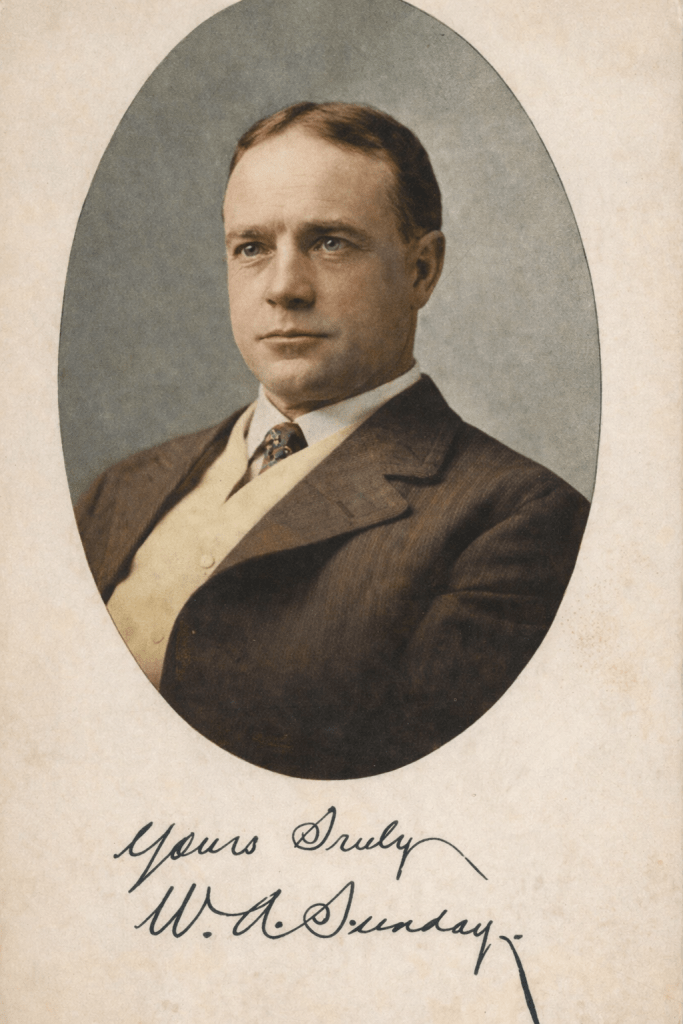
The campaign opened on September 18, 1910, and from the very first service it was clear that the tabernacle—built to hold 7,500 people—was not nearly large enough. According to the New Castle Herald (Sept. 19, 1910), crowds overflowed the structure on opening day, spilling into the streets and surrounding grounds. What had been intended as a major civic event immediately became something larger: a public phenomenon.
For six weeks, New Castle lived inside a revival. Night after night, thousands gathered to hear Sunday preach in his unmistakable style—direct, forceful, unsparing, and deeply earnest. Newspapers across western Pennsylvania followed the meetings closely, treating the campaign as front-page news rather than mere church business.
By the time the final service concluded on October 30, the numbers were staggering.
In total, $12,500 was collected during the campaign, as reported by the Warren Times Mirror on November 3, 1910. But far more striking were the spiritual results reported by local churches: 6,383 recorded conversions, including 1,050 decisions on the final evening alone.
The New Castle Herald captured the meaning of those numbers in a powerful editorial reflection on October 31:
“Just think of 6,383 souls being added to the churches of this city and county. This means one out of every six persons residing in this city. It means a very much larger proportion in reality, for these 6,383 are all of age to think and to accept for themselves the doctrines of Christianity. In the light of this, the money given yesterday to the evangelist seems a trivial sum, when compared with the good he has done.”
That statement goes to the heart of why New Castle mattered in Sunday’s career. This was not simply a revival that filled a building or generated headlines. It reshaped congregations across an entire region. Local churches suddenly found themselves filled with new members, new energy, and new responsibility for discipleship.
The New Castle campaign also illustrates why Billy Sunday became such a defining figure in early twentieth-century America. In an era before radio, television, or social media, he could command massive crowds purely through reputation, word of mouth, and the sheer force of his preaching. Cities did not merely host Sunday; they were changed by him.
More than a century later, the New Castle revival stands as one of Sunday’s most dramatic successes. For six weeks in 1910, a steel-town community experienced a spiritual earthquake—one that newspapers, pastors, and ordinary citizens remembered long after the tabernacle was torn down.
For historians of revival, New Castle offers a vivid case study in how Sunday’s campaigns worked: huge crowds, intense emotion, measurable results, and lasting impact on local churches.
For the people of New Castle, it was simply the season when their city met Billy Sunday—and was never quite the same again.
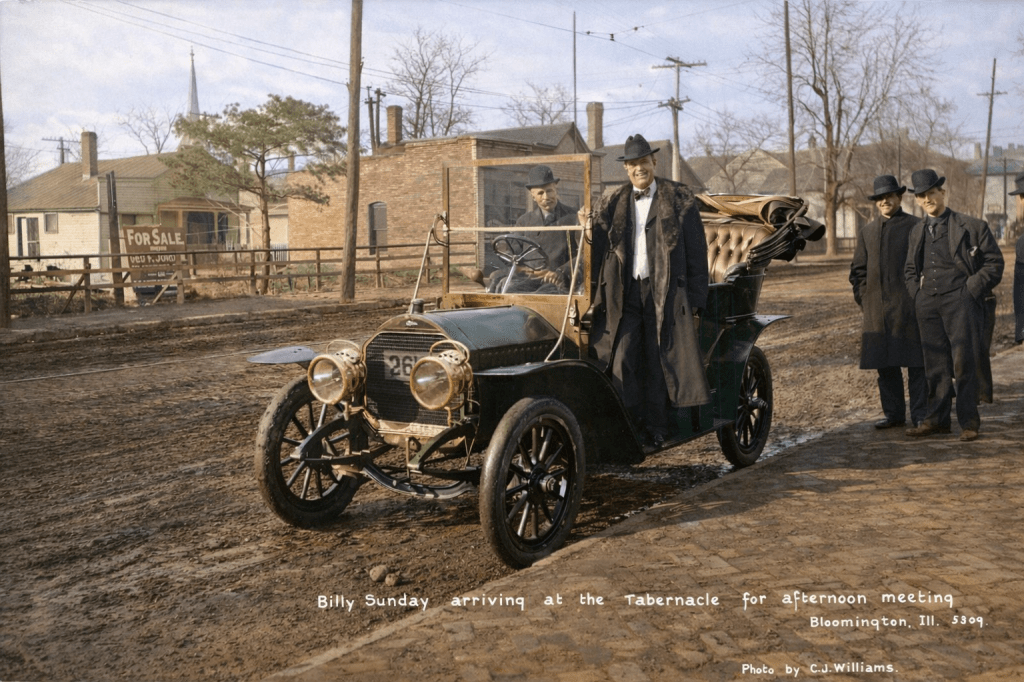
Postcard colorized by author
This image was likely take around 1902 because the oldest boy, George was born in 1892. He looks around 8-9 years old here. The other child must be Billy, Jr., born in 1901. The older woman is Helen’s mother. I colorized the image.

Here is the bed of Billy and Ma Sunday in their former Winona Lake home. The accompany picture (probably 1930s) of the famous couple is placed on the headboard.

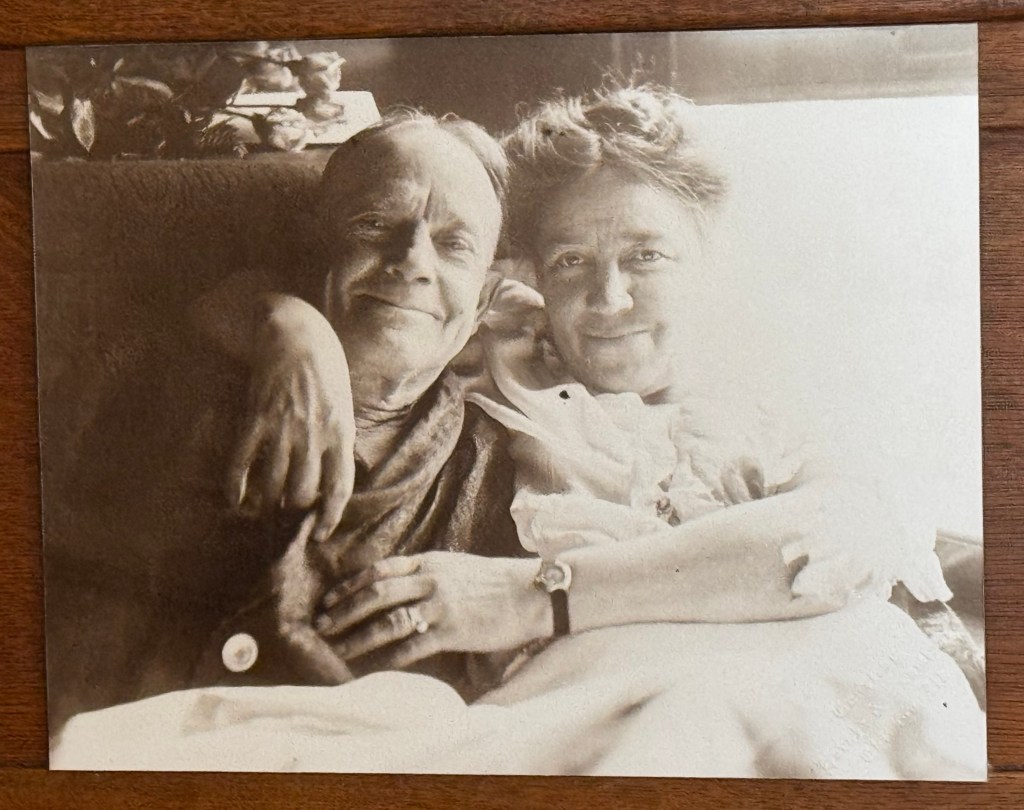
A colorized version.

Photography permission granted by the Winona Lake History Center.
 Evangelist Billy Sunday (1862-1935)