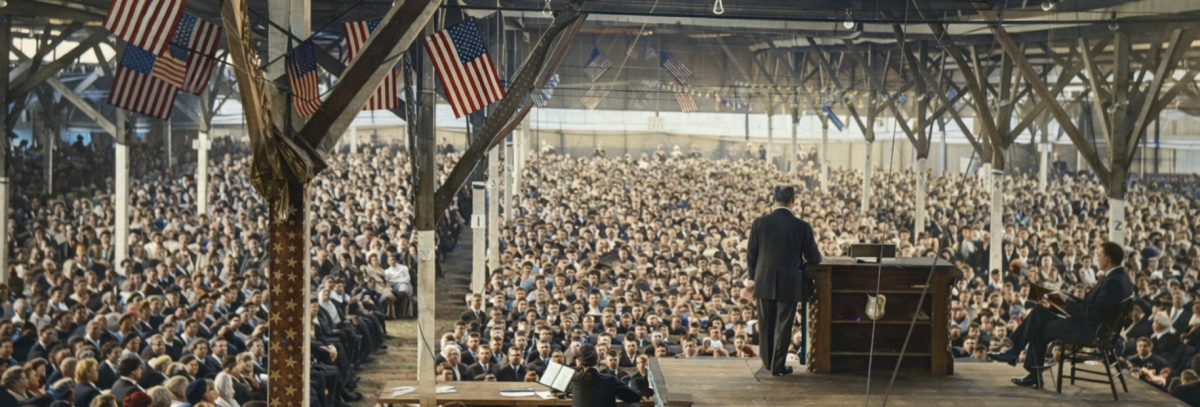
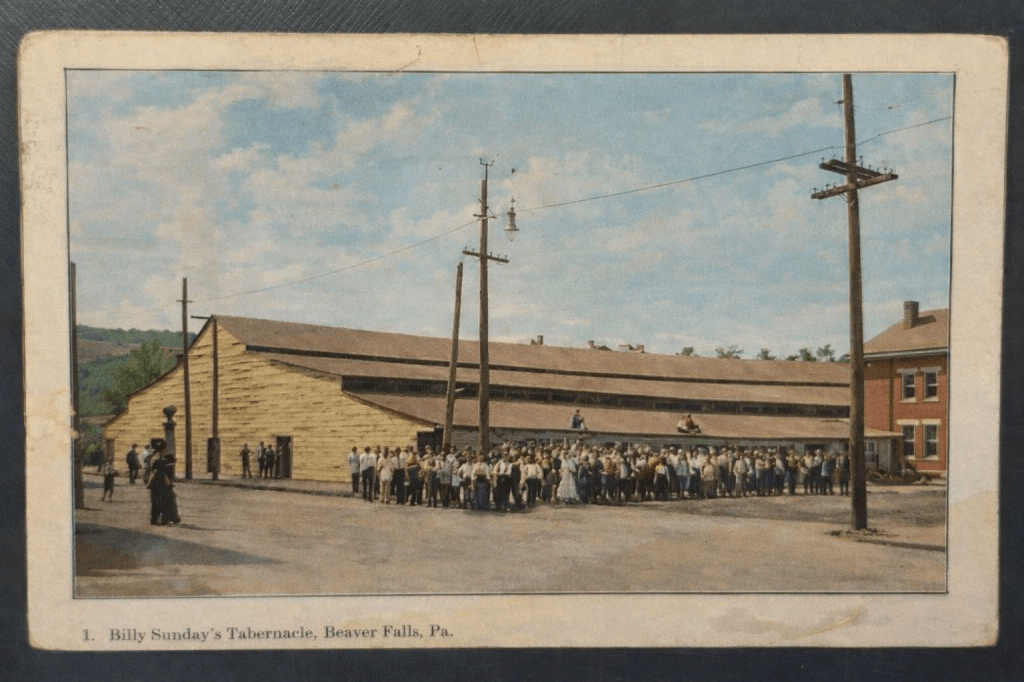
When Billy Sunday rolled into Beaver Falls, Pennsylvania, in the spring of 1912, the town was not simply hosting another traveling preacher — it was about to experience one of the most energetic revival campaigns of the Progressive Era.
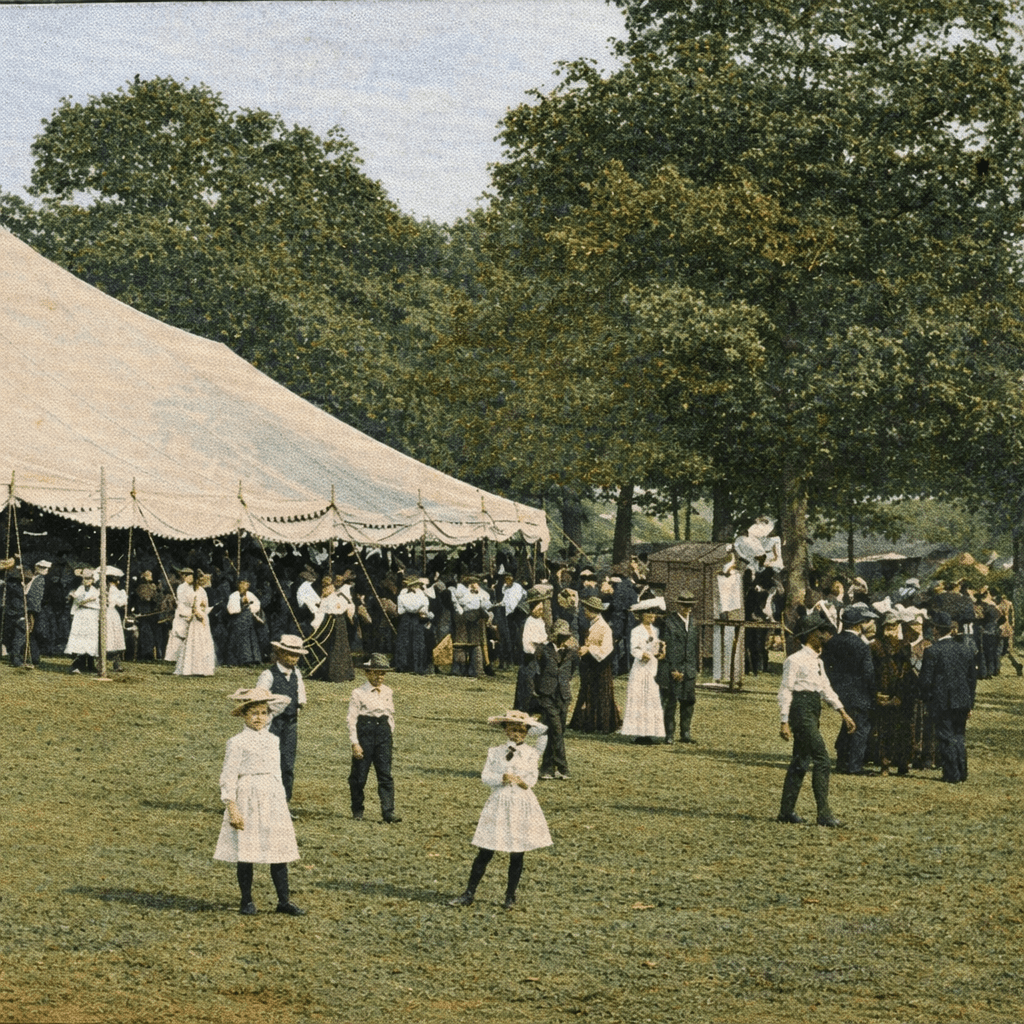
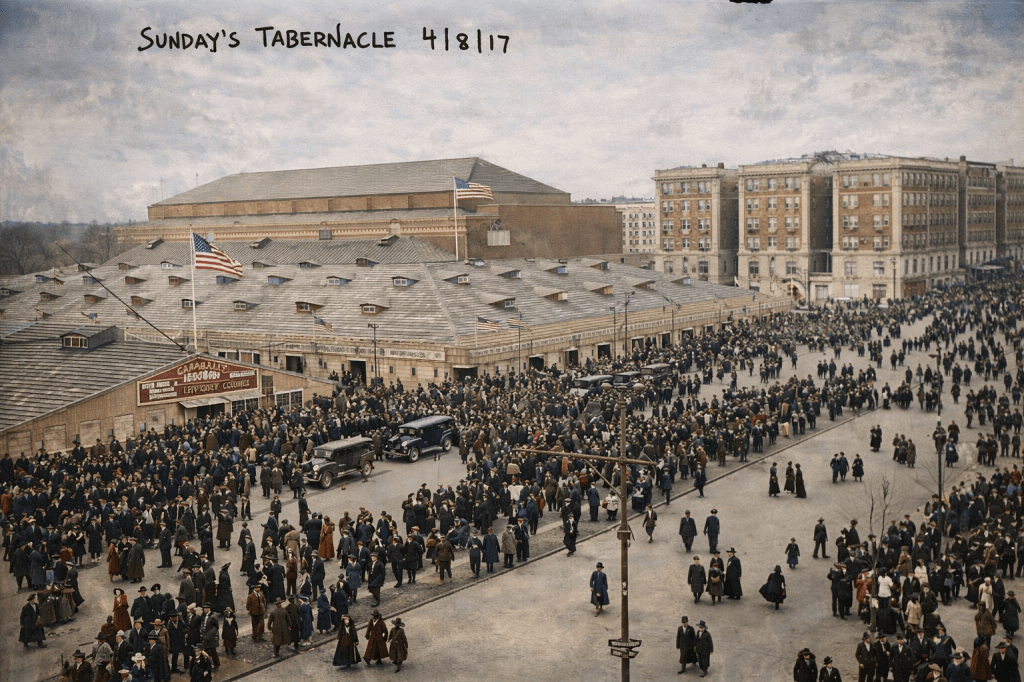
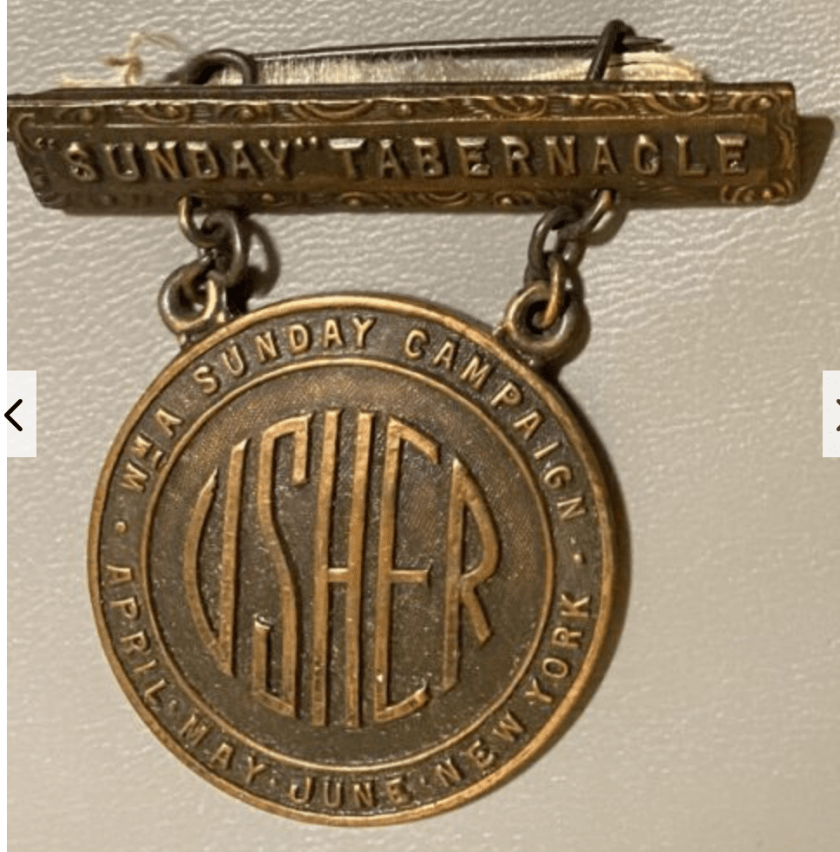
From May 19 to June 24, 1912, Sunday’s massive wooden tabernacle stood as the focal point of community life. Every night the building filled with the noise of hymns, sawdust underfoot, and Sunday’s unmistakable mix of athletic bravado, homespun humor, and urgent gospel appeal.
A Thunderous Opening
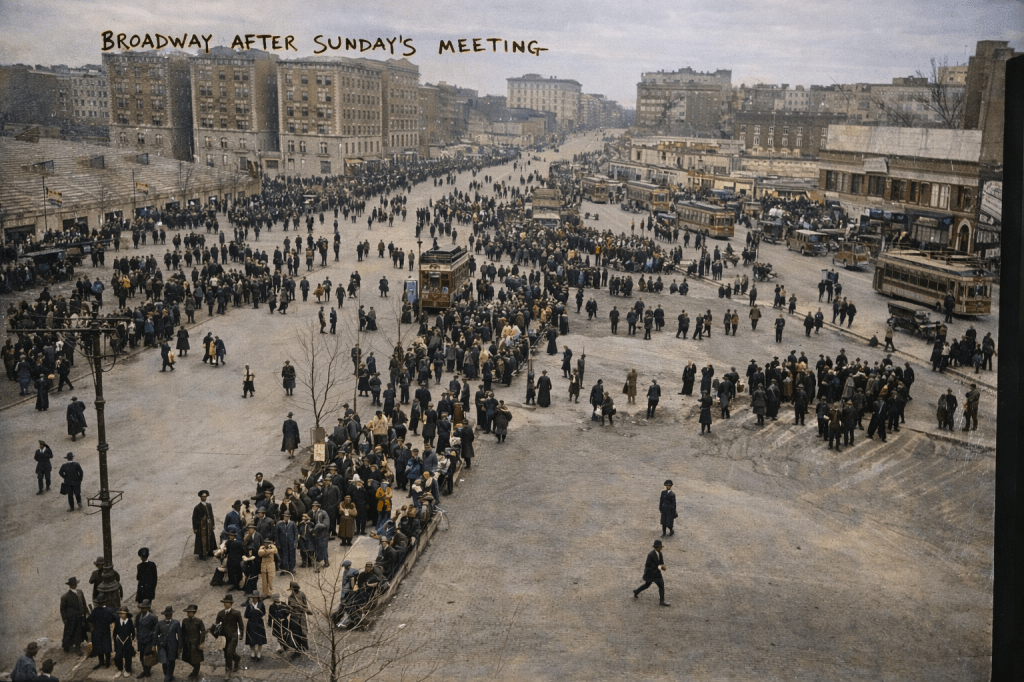
The campaign opened on Sunday, May 19, 1912, and the response was immediate. Newspapers report that 5,000 people packed the tabernacle that first day — a remarkable turnout for a town the size of Beaver Falls.
This wasn’t curiosity alone. People came expecting something — conviction, hope, or perhaps just the spectacle of America’s most famous evangelist in action. What they received was classic Billy Sunday: vivid stories, blunt moral challenge, and a call for personal decision.
Six Weeks That Shook the Town
Over the next five weeks, the revival became the center of local conversation. Businesses adjusted hours, families planned around evening services, and local pastors cooperated in ways that were rare in an age of denominational competition.
By the end of the campaign, the results were striking:
- Nearly 4,000 people made public professions of faith.
- On one particularly dramatic Sunday night, 8,000 people attended, and 200 walked the “sawdust trail” — Sunday’s famous term for coming forward to make a commitment to Christ.
- Financial support for the campaign totaled $10,244 for Billy Sunday and his team — a significant sum in 1912, reflecting broad community buy-in rather than a handful of wealthy donors.
Newspapers emphasized that this was not simply emotional enthusiasm. Churches reported new members, families reconciled, and local leaders spoke of a noticeable moral impact on the town.
A Scholar’s Honor for a Street-Corner Preacher
Perhaps the most surprising moment of the campaign came not in the tabernacle, but on a college campus.
While in Beaver Falls, Sunday was awarded an honorary doctorate from Westminster College in Pennsylvania.
This was no small thing.
Sunday had no formal theological training. He was a former baseball player turned evangelist — rough around the edges, energetic, and deeply practical. Yet Westminster recognized that his cultural influence and moral leadership were shaping American religious life in ways few professors ever could.
In many ways, the honor symbolized something larger: Billy Sunday had moved from being a popular revivalist to a nationally respected religious figure.
Why Beaver Falls Matters
The Beaver Falls campaign illustrates why Billy Sunday mattered in American history:
- It shows the scale of his influence — thousands attending, thousands responding.
- It reveals his ability to unite communities across denominational lines.
- It demonstrates that revival in the early 20th century was not merely emotional theater; it was a movement that reshaped churches, families, and civic life.
- And it reminds us that Sunday was not just a showman — he was a man whose message was taken seriously enough to earn the respect of higher education.
For six weeks in 1912, Beaver Falls became a spiritual crossroads where ordinary people encountered an extraordinary evangelist — and many left changed.
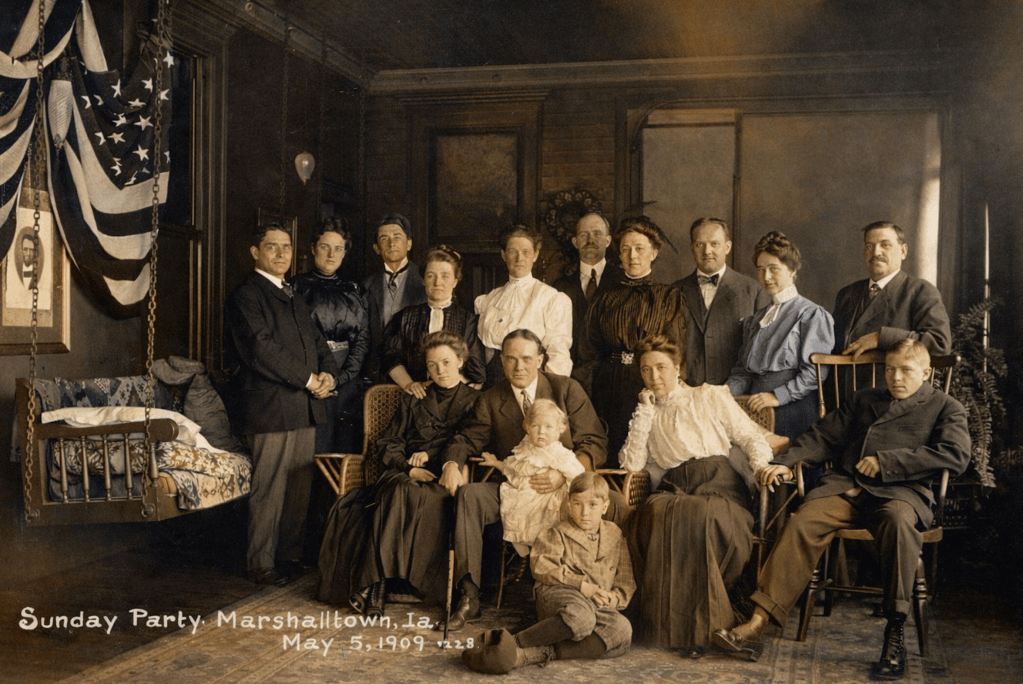
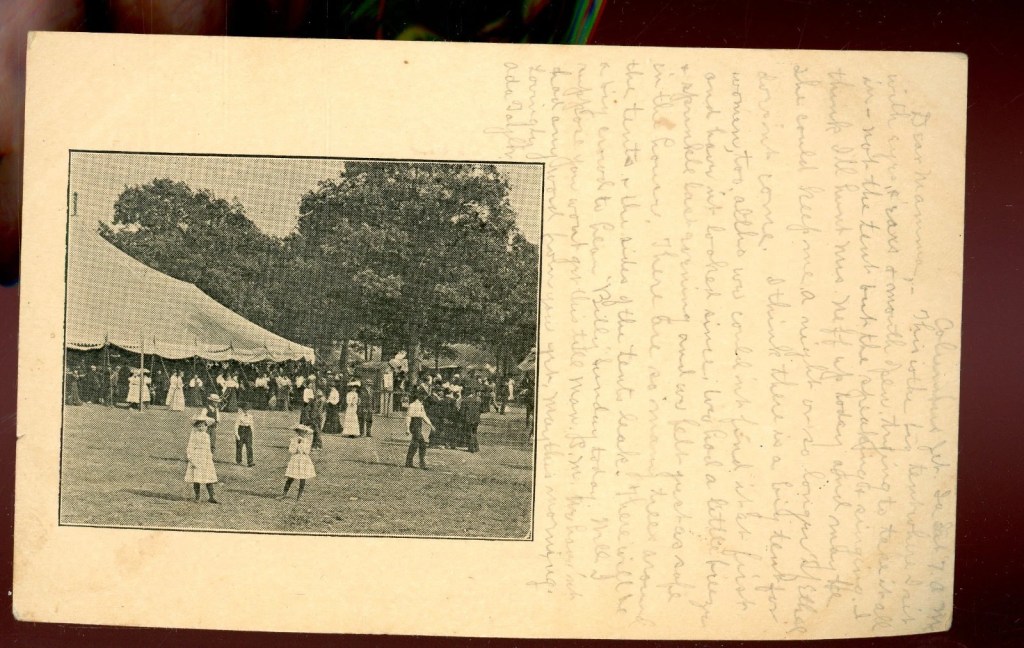
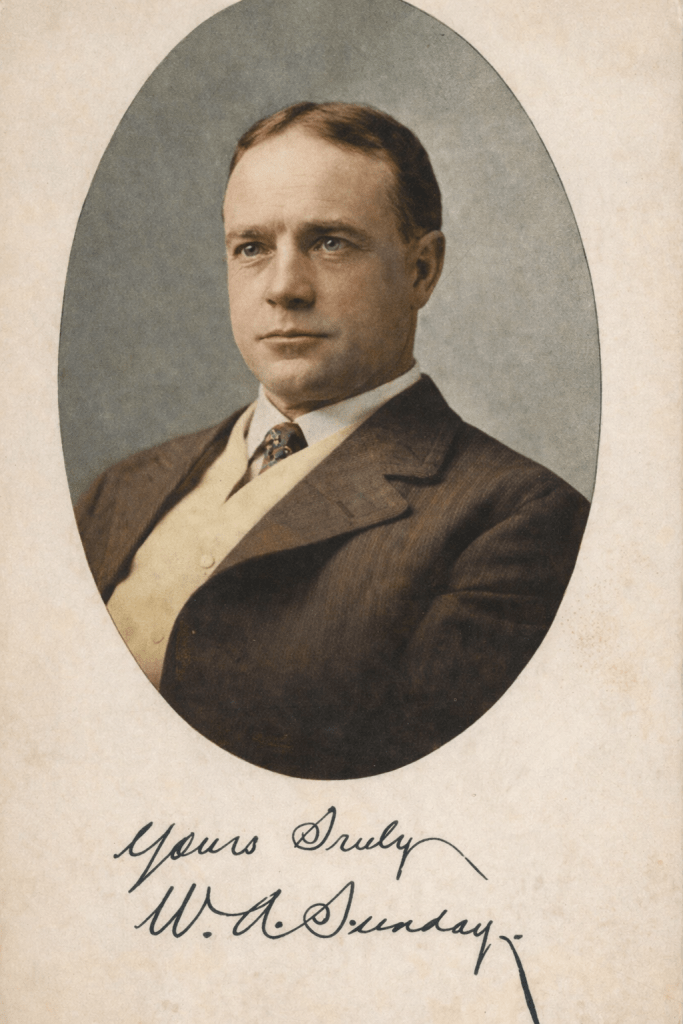
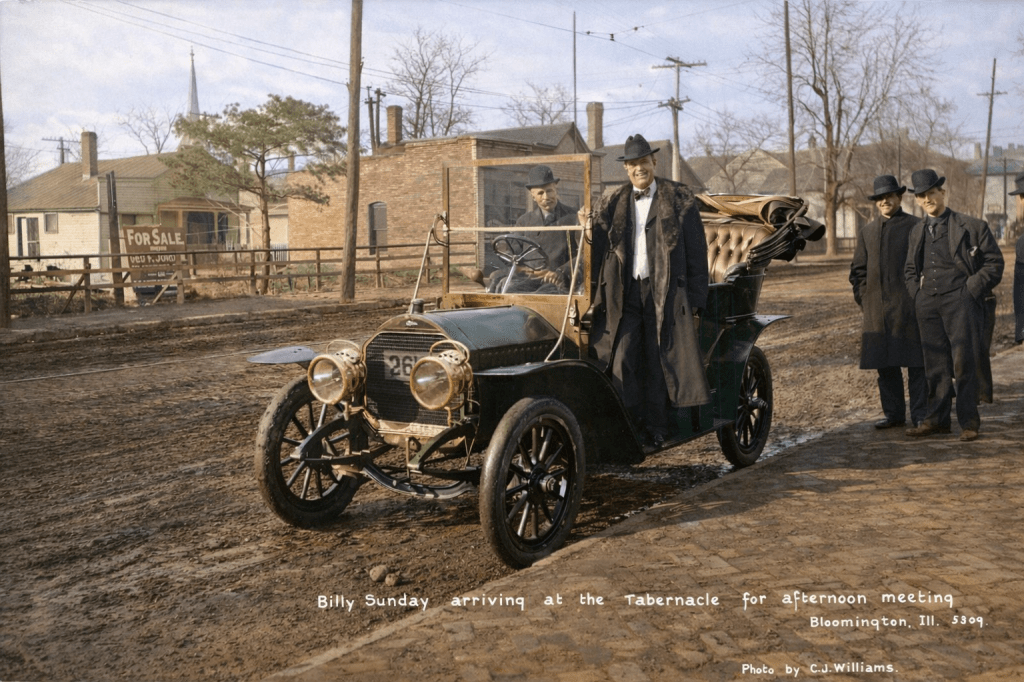

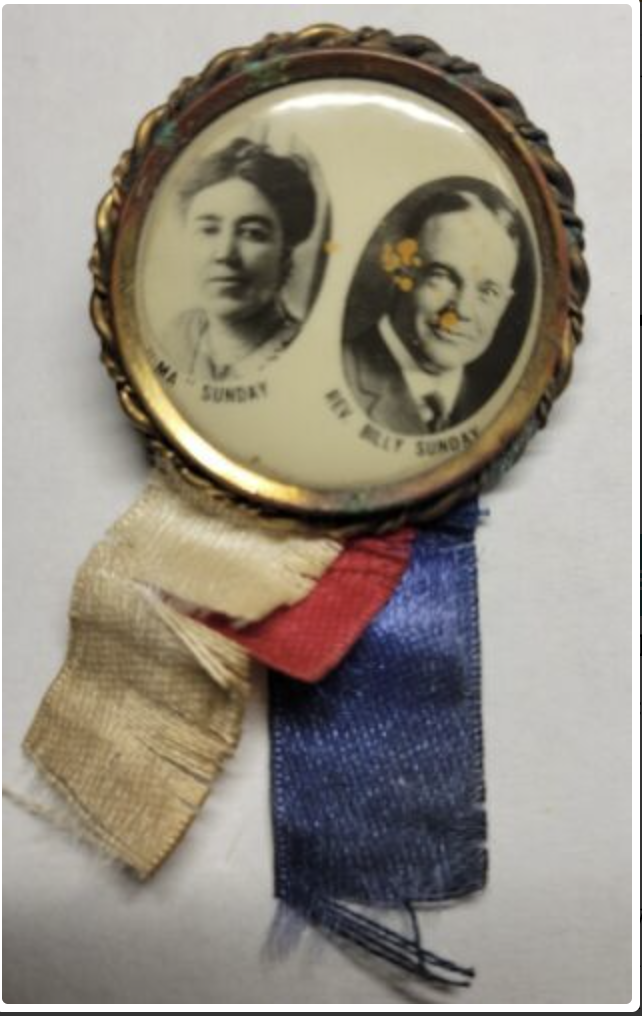
 Evangelist Billy Sunday (1862-1935)