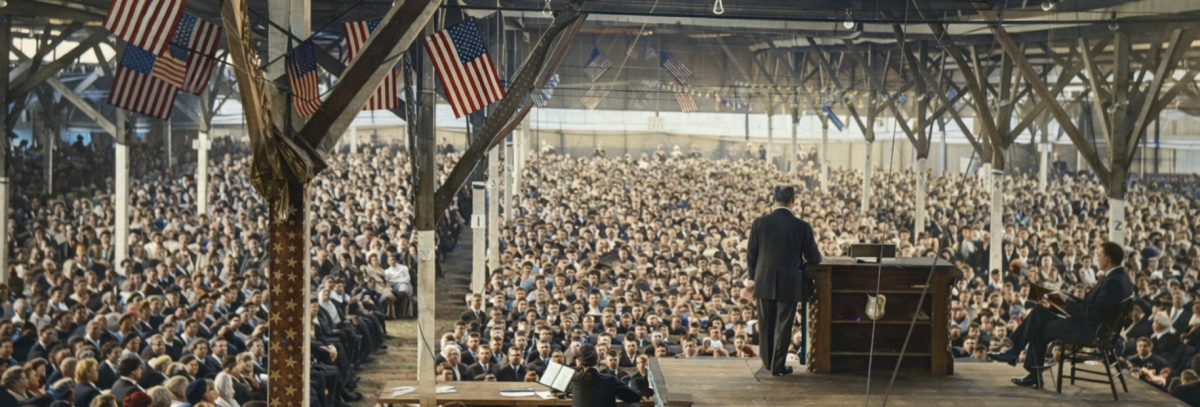
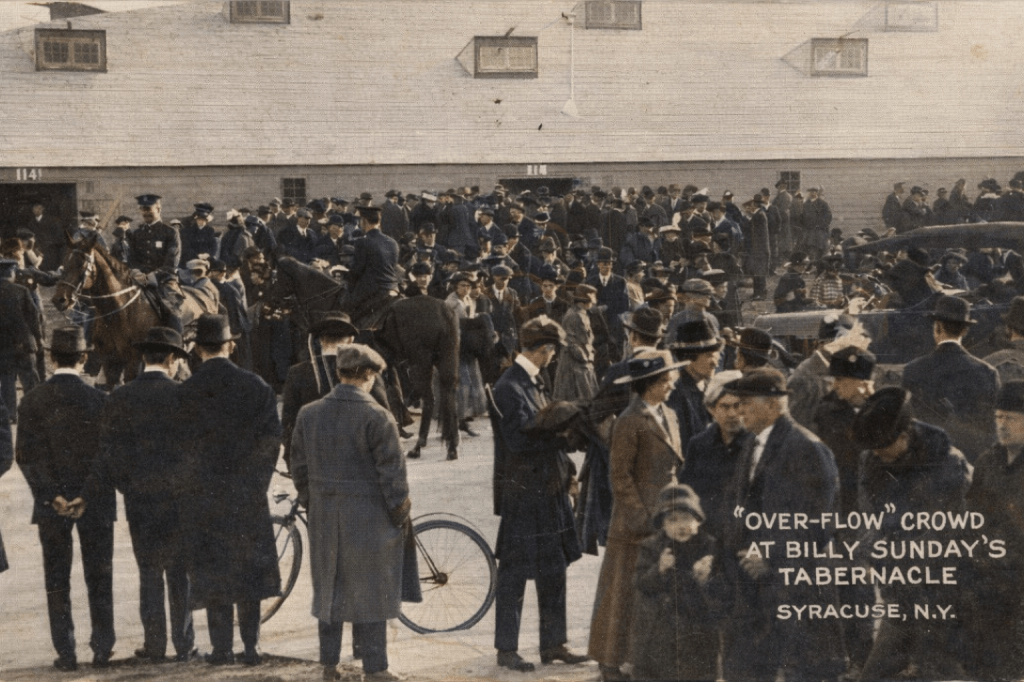
“Over-flow” crowd at Billy Sunday’s Tabernacle. Syracuse, NY. c. 1915

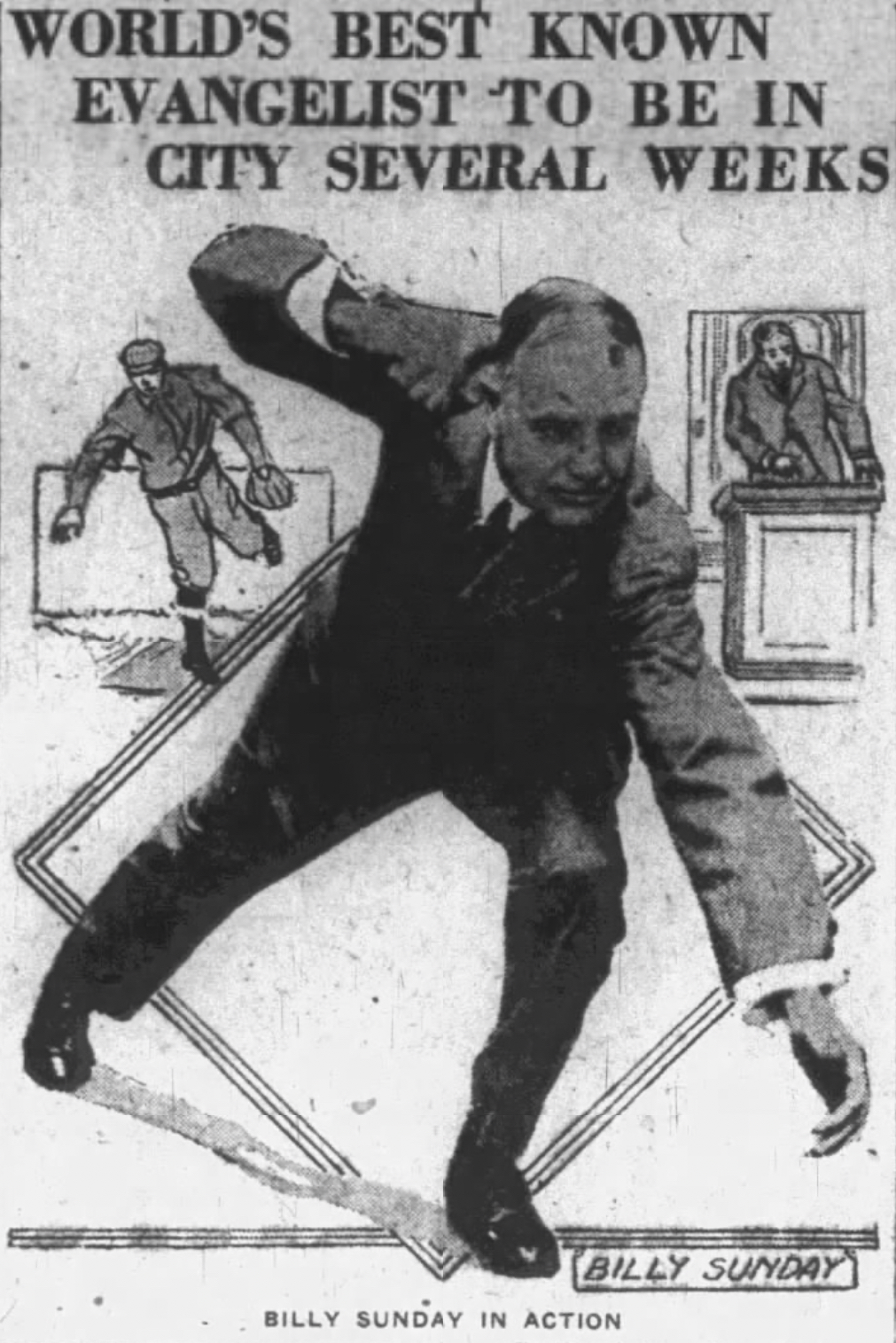
Billy Sunday conducted a significant revival campaign in Syracuse, New York, from October 31 to December 19, 1915. This campaign was part of his broader evangelistic efforts during the 1910s, a period when he held major revivals in cities like Philadelphia, Kansas City, Detroit, Boston, Buffalo, and New York City.

Lincoln Journal Star

Fri, Dec 31, 1915 · Page 2

LEADING CITIZENS LINED UP

BIG MEN OF SYRACUSE HIT TRAIL AT SUNDAY MEETINGS.

Remarkable Results Achieved by Evangelist as Told by Member of Local Committee.

Here is the story of the Billy Sunday campaign in Syracuse, N. Y., as told by a local committeeman in the current issue of the Christian Advocate, one of the leading Methodist papers of the country:

The seven weeks of the ‘Billy’ Sunday campaign have passed altogether too quickly. The interest which was at the flood when representatives of fifty-four churches in 250 automobiles, and hundreds of the faculty and students of Syracuse university, led by the university brass band, met ‘Billy’ Sunday and his party at the railroad station on the afternoon of October 30, and escorted them to the handsome residence on Onondaga street which was to be their home while in Syracuse, has continued without abatement, and there has been no slump at any time in the attendance at the services, a somewhat unusual circumstance Mr. Sunday tells us. At the evening services and three times on Sunday the tabernacle has been packed with an audience numbering from 12,000 to 15,000 people and an evening when, on account of a snowstorm, the streets were well-nigh impassable, was no exception. People from as far west as Buffalo have come in large delegations to the afternoon services and members of the Sunday party have gone out into communities within a radius of fifty miles of Syracuse, and have held evangelistic services and organized classes for Bible study. Stores, factories, high schools and the university have given Mr. Sunday and his party the largest possible audience. No class of persons has been omitted by the ministry of these good people, from the maids in the kitchen to the people of refinement and wealth, into whose homes Mr. Sunday has been most welcome. The choir of 4,500 people was composed of persons without regard to race, color or creed, and this choir was divided into choruses of 1,500 each, one chorus being made up of men, and was under the masterful leadership of a member of the party known familiarly as “Rhody,” who is a soloist trombonist and between whom and Mr. Sunday there is the feeling that existed between David and Jonathan.

A Memorable Sabbath.

A service that stands out conspicuously as one of the most wonderful of the campaign was held on Sunday morning, November 14, when, following the sermon, Mr. Sunday gave the invitation for the first time for the people to come forward and take his hand and 1,500 responded, some for reconsecration, others to announce for the first time their desire to lead the christian life.

Memorable Sabbath that, for Pentecost repeated itself, when over 3,000 “hit the trail.” Another service not soon to be forgotten was on Sunday morning, December 12, when, after a powerful sermon by Mr. Sunday, and an appeal which brought hundreds to the front, Chancellor Day was invited to the platform, to pray for the penitents, and as he and the evangelist stood side by side, men equally great in their respective realms, and the chancellor poured out his soul in a wonderful prayer for those who were inquiring the way of salvation, the great assembly was mightily moved.

The greatest week-day evening, perhaps, was what was known as university night, when about 3,000 of the faculty and students, led by the university band, marched to the tabernacle.

Opportunity was given by the leader before the service for college songs and yells, and the people from the hill certainly owned things for a while. After the sermon, when the invitation was given, scores went forward and took Mr. Sunday by the hand, thereby indicating their desire to lead a Christian life.

Mr. Sunday and his co-workers have given much of their time to the students, speaking to them at mass meetings, chapel services and in their fraternities, sororities and dormitories, with the result that up to this time over 400 have hit the trail.

Hundreds Unite With Churches.

The results of this wonderful religious movement can only be tabulated in part at this time. While hundreds have united with the churches, hundreds who have not been active in the church for years have renewed their vows. Employers have come down the aisles of the tabernacles on evenings when their employees have been attending in a body, leading them by twos and threes to the front. Business men and manufacturers have suspended business and work that their employees might hear the message from Mr. Sunday or a member of his party. Firms which at the beginning were not especially friendly to the movement have extended warm welcomes to those who would hold meetings in the shops. As a striking instance of a change of front toward the Sunday campaign, one church which did not join in the invitation to Mr. Sunday to come to this city, and refused to be one of the co-operating churches in the campaign, was represented on the evening when the brotherhood of the different churches occupied reservations by the rector and over one hundred men. True it is that the people who are speaking against Mr. Sunday are the folks who have refused to hear him.

The liquor traffic has been roughly handled. While “Billy” Sunday does not preach a sermon in which he does not score the rum business, when he preached the booze sermon he said: “You have heard me make a few remarks about the liquor traffic that you might get your mental adjustments, but next Sunday I will preach on booze or get on the water wagon, and this sermon always gives the devil the pneumonia.” Afternoons and evenings he preached to audiences of men only, who packed the tabernacle, and that sermon and his general crusade against the liquor business have certainly made the liquor men sick (of their business). Business in some of the down-town places has fallen off 30 per cent. In three places, where crowds have been accustomed to gather at night, the clientele has been cut almost in two. The receipts of the most fashionable bar in the city have fallen off 80% and an aloonkeeper in referring to the matter said: “The Billy Sunday has about destroyed the saloon business in Syracuse.” Several bartenders have hit the trail and one or lookkeeper, after he had hit the trail, went back to his home and called up the brewers who were back of him in business and told them they could take the business, for he was through. On the day when the “booze” sermon was preached a card requesting the mayor to enforce the law relative to Sabbath observance and liquor traffic was signed by 18,000 voters.

Secular Press Endorses Sunday.

To quote from a recent editorial in one or but our evening papers not especially favorable to the campaign at the beginning: “Cleaner speech, the only reliable index of clean thought, is everywhere noted. There is a sensible abatement of vice of every kind. Moral derelicts have been rescued by the hundreds and have been placed on th solid ground of hope and renewed self-confidence, but the individual instances of strange conversations, better resolutions sand redeemed estrays do not begin to measure the results of the Sunday crusade. The whole atmosphere of the community has been charged with a fresh and bracing moral ozone and to Mr. Sunday and his party we extend our sincere expression of appreciation, respect and gratitude.”

Last Day of Campaign.

On the last day, Sunday, December 19, four services were held. One of the afternoon services was for men only and with such power did Mr. Sunday reason on the judgment to come that five hundred men responded to his appeal at the close of the sermon. In the evening the tabernacle was packed in every part by thirteen thousand people, hundreds being turned away. The evangelist urged the people to an immediate decision, with the result that fifteen hundred hit the trail. More of the leading citizens took a stand for Christ at these meetings than at any of the previous services. An impressive feature of the evening service was when Mr. Sunday invited members of his party to come on the platform and the vast audience, led by a choir of fifteen hundred voices, sang: “God be with you till we meet again” and gave the chautauqua salute.

Twenty-three thousand one hundred and fifty-five hit the trail during the campaign. Over $50,000 has been received through the offerings, several thousands going to local charities. Mr. Sunday received $11,155 as a free-will offering. The evangelist paid a high compliment to the people of Syracuse at the closing service. He said because of their co-operation with him and their effort to provide him with every comfort he was leaving a very much better man physically than when he came. Thousands went to the depot and sang the songs they had learned to love to Mr. and Mrs. Sunday, whom they had also learned to love, as they took their departure to their western home.

The [Wilkes-Barre] Times Leader. Mon, Dec 20, 1915 ·Page 25

SUNDAY CAMPAIGN CLOSES

Syracuse Gives Evangelist $23,000 and Nearly 20,000 Converts

With the free will offering amounting to more than $23,000 and the converts numbering nearly 20,000, the Billy Sunday campaign at Syracuse closed yesterday amid great enthusiasm. More than 2,000 converts marched down the aisle and grasped the evangelist by the hand during the day.

It is understood that personal checks amounting to several hundred dollars have not yet been counted in the free-will offering and the total collection is expected to reach close to $24,000. Syracuse now ranks third in point of attendance, conversions and free-will offering of all the cities in which the evangelist conducted campaigns.

The Buffalo News. Mon, Dec 20, 1915 ·Page 3

BILLY SUNDAY CLOSES SYRACUSE CAMPAIGN

911,000 Total Attendance—Trail-hitters Numbered 22,449.

Syracuse, Dec. 29—Rev. Billy Sunday closed his seven weeks evangelistic campaign in Syracuse last night. At four meeting during the day he preached to more than 50,000 persons. His thanks offering was $23,112.

The total attendance at the Sunday meetings was 911,000, trail hitters numbered 22,449. The evangelist and his wife left last night for their home at Winona Lake, Wis., to rest a week before opening the campaign at Trenton, N. J., one week from Sunday. Five thousand persons gathered at the railroad station to bid him farewell.

In one of his closing sermons Sunday took a fling at ‘cold church people,’ saying among other things: ‘I’ve got no use for a bottle-fed church. Some preachers are like huge nursing bottle with 500 rubber tubes running to a lot of 200-pound babies in the churches and the preacher has to be a wet nurse to the whole bunch.’

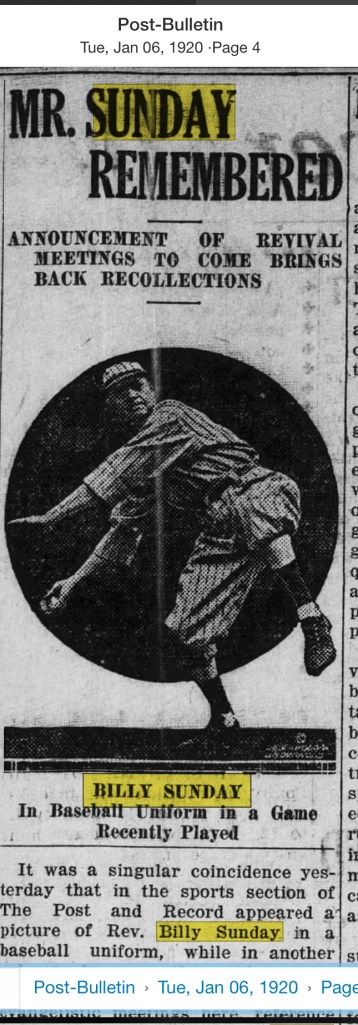
Billy Sunday vs. His Contemporaries: What Set Him Apart?

by Kraig McNutt

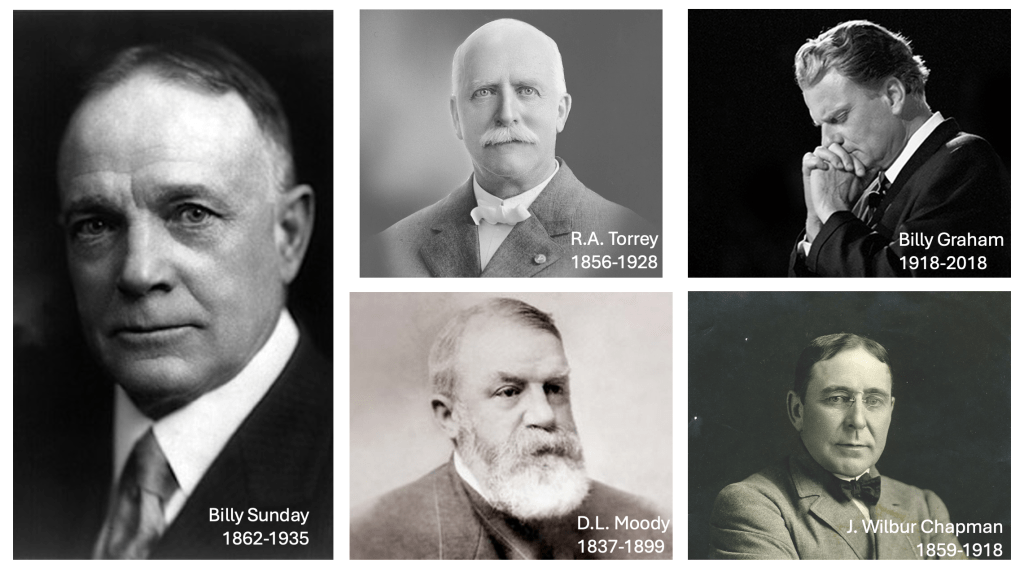
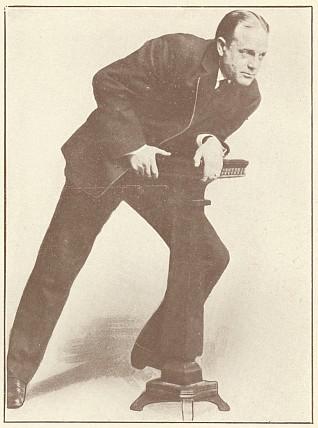
When most people think of revival preachers in American history, names like D.L. Moody, R.A. Torrey, or J. Wilbur Chapman often come to mind. But Billy Sunday was cut from a different cloth. He wasn’t just a preacher—he was a one-man spiritual cyclone, mixing athleticism, theatricality, and gospel fire in a way no one had ever seen before.

So what exactly set Billy Sunday apart from the rest? How did his preaching and ministry differ from his contemporaries? Here’s a snapshot comparison to help you see why Sunday’s voice roared across the American landscape like a thunderclap—and why his influence still echoes today.


A Quick Comparison: Billy Sunday vs. His Contemporaries

TopicBilly SundayContemporary Evangelists
Preaching StyleFiery, physical, theatrical; used slang and sports metaphorsMoody: Calm and fatherly; Torrey: Intellectual; Chapman: Pastoral
Theological EmphasisStrong focus on personal salvation, substitutionary atonement, and sinSimilar focus, though often with more doctrinal exposition or gentler tone
View of ModernismVehemently opposed; saw it as a threat to true ChristianityMost were critical, but some (like Fosdick) were sympathetic to modernist ideas
Social IssuesFiercely anti-liquor (Prohibition), anti-gambling, anti-dancing; championed “old-time religion”Moody: Emphasized charity and urban outreach; others less publicly political
Engagement with PoliticsHighly political; openly supported Prohibition, patriotic causes, and civic reformMoody and others were less politically vocal, though supportive of moral reform
Use of Media/PublicityMaster of mass media: posters, press coverage, advance men, tabernaclesChapman and Torrey used some publicity, but far less theatrically or broadly
Attitude toward Higher CriticismCondemned it outright as destructive to faithMost conservative contemporaries agreed, though some engaged it more thoughtfully
View on Women’s RolePraised godly mothers; Helen Sunday was integral to the ministry, though Billy upheld traditional rolesMore varied: some supported women in ministry (e.g., Aimee Semple McPherson)
Revival StructureMass meetings, community-wide, tabernacles, extended multi-week eventsSimilar formats, but Sunday’s scale and advance team coordination stood out
Legacy ImpactSet the stage for 20th-century mass evangelism (influence on Graham, etc.)Others laid groundwork (Moody), but Sunday modernized the revival model

Why It Mattered Then—and Now

Billy Sunday didn’t fit into a neat category. He was part preacher, part performer, part prophet—and all in for Christ. While others wrote theological treatises or built Bible schools, Sunday pounded his fists on pulpits and dove across stages to bring people to the cross.

His fierce denunciation of sin, especially the sins tearing apart American families—booze, gambling, corruption, moral apathy—connected with the common man. He used theatrical movement, slang, and sports metaphors to reach crowds who might never set foot in a traditional church.

But his legacy wasn’t just showmanship. Billy Sunday built the prototype for what would later become 20th-century crusade evangelism, paving the way for figures like Billy Graham. He made evangelism a national event, not just a church function.


Final Thought

In a world drifting further from spiritual conviction, it’s worth remembering men like Billy Sunday—men who refused to compromise truth, who called a nation to repentance, and who showed that the gospel is worth getting loud about.

Whether you’re a pastor, a historian, or just someone trying to figure out what revival looks like in your day, take a page from Sunday’s playbook: preach it hot, live it loud, and never apologize for loving Jesus.


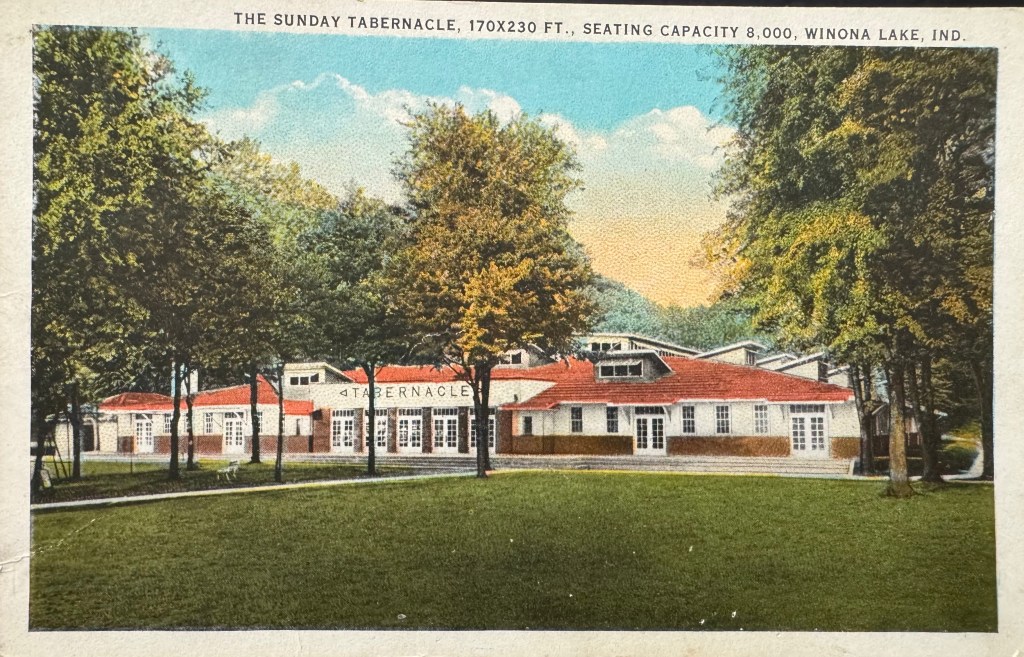
The Billy Sunday Tabernacle at Winona Lake, Indiana c 1925

Original postcard with June 1925, Winona Lake postmark on back.
Sent from Harriet Yoder to Hugh Yoder (South Bend, IN)

The Winona Lake Billy Sunday Tabernacle was built in 1921. It was demolished in 1992. At that time it was the last remaining standing Billy Sunday Tabernacle. The Moody Bible Institute (then-called) hosted Bible conferences at the Winona Lake Billy Sunday Tabernacle during it’s last several years of usage. Usually held in July, the experience was hailed as ‘Moody Week.’

The bloghost attended Moody week’s events of 1894-1986, hearing speakers of the likes of Howard Hendricks, Elwood McQuaid, John Walvoord, Warren Weirsbe, Lehman Strauss, Joe Stowell, Marv Rosenthal, George Sweeting, David Jeremiah, and Vance Havner.

Revival and Collapse: Billy Sunday’s Fiery Campaign in Burlington, Iowa (1905)

By Kraig McNutt

From the moment he arrived in Burlington, Iowa, in November 1905, Rev. William “Billy” Sunday brought with him more than a revival campaign—he brought a storm. For six intense weeks, Sunday preached to thousands daily, confronted sin with his trademark “hammer and tongs” style, and called the city to spiritual awakening.

But the campaign didn’t just stir souls. It nearly cost him his life.


A Town on Fire—Spiritually Speaking

Sunday’s campaign in Burlington ran from November 9 to December 17, 1905. In that span, he preached to crowds of 6,000 to 10,000 in a massive wooden tabernacle built for the occasion. The energy was electric. At one point, over 1,279 converts had been counted, and by the end of the campaign, the total reached 2,484.

The Muscatine Journal described Sunday’s preaching as if “swaying a storm-beaten ocean.” In a men’s meeting alone, 112 responded to the call, with many more turned away due to overcrowding.

But Sunday’s sermons weren’t just altar calls—they were cultural critiques. He lambasted spiritual apathy, criticized parental neglect, and took direct aim at profanity, indifference, and moral complacency. In one memorable line, he warned:

“You say, ‘It is nobody’s business what I do.’ But hear me—it is everybody’s business what everybody does.”

His sermons were equal parts gospel and social conscience.


Revival or Overkill?

Not everyone was thrilled. A Cedar Rapids Gazette editorial warned that while Sunday was sincere, his tone could be offensive and even vulgar. Some churchgoers felt he used “language of the gutter” and painted humanity as far too depraved. They admired his passion but questioned his method:

“Offensiveness and vulgarity may emanate from the pulpit as well as from any other source… but ‘Billy’ Sunday is sincere, and sincerity is a virtue that is not to be despised.”

It was this very sincerity—his relentless, full-throttle commitment—that finally broke him.


The Collapse Heard Across the Midwest

On Monday, December 18, 1905, as Sunday prepared to preach to yet another crowd of 4,000, he suddenly collapsed on stage, fainting in front of the shocked audience. Reports soon circulated that his life was in danger, and that weeks of nonstop preaching had led to total physical and nervous exhaustion.

The Dixon Evening Telegraph wrote:

“He had been preaching steadily day and night for months and during the preceding week had not slept.”

While Sunday recovered and eventually continued his national ministry, the Burlington collapse marked a critical moment—a reminder that even spiritual giants are still human.


A Lasting Impact on Burlington

Despite the toll on Sunday’s health, the Burlington campaign left deep footprints in the city. By the time the tabernacle closed:

  • 2,500 had publicly confessed Christ
  • $4,000 had been raised in free-will offerings
  • The mayor ordered all saloons closed on Sundays
  • A Civic Reform League with 150 members formed to continue the moral reform efforts sparked by Sunday’s preaching

According to The Grand Rapids Press, the final night saw 7,000 people crammed inside, with 5,000 more unable to get in. It was one of the most dramatic and consequential campaigns of Sunday’s early career.


Legacy: The Revival That Cost Everything

The Burlington campaign reveals the paradox of Billy Sunday’s revivalism:

  • His methods were polarizing—but effective.
  • His energy was boundless—but not limitless.
  • His message stirred the masses—but came at personal cost.

Still, Sunday “played ball” in the pulpit the way he had on the baseball field: heart first, full speed, no reserve.

And in December 1905, Burlington, Iowa, witnessed both the brilliance—and the breaking—of a man determined to bring America back to God.

Burlington, Iowa (November 9 to December 17, 1905)

​Billy Sunday conducted his revival campaign in Burlington, Iowa, from November 9 to December 17, 1905. He saw 2,484 conversions and generated $4,000 in collections. A newspaper article tells how he fell ill and his very life was deemed threatened during the Burlington campaign.

Reported That Evangelist Sunday Was Taken Ill During Meetings.

It is reported that Rev. “Billy” Sunday, who has hundreds of friends in Dixon, has broken down from overwork and nervous strain and is dangerously sick at Burlington, Iowa. Friends here have heard nothing of this but the following item is published in an exchange:

“Billy” Sunday, the famous baseball evangelist, broke down at a revival near Burlington, Iowa, Monday, and his death is feared. Sunday started to preach to a crowd of 4,000 people when he toppled over on the platform in a dead faint. He had been preaching steadily day and night for months and during the preceding week had not slept.”

  • Dixon Evening Telegraph. Mon, Dec 18, 1905 ·Page 5

Additional related newspaper coverage of the Burlington, Iowa (1905) campaign

REV. “BILLY” SUNDAY.

Burlington is now in the throes of a religious awakening, engineered by that eminent and popular ex-baseball player who now is known as Rev. William A. Sunday, but whose numerous friends still love to call “Billy” Sunday. Sunday has been preaching the old gospel in his own inimitable style for several years, and has drawn to him the friendships of a great many people of all denominations, while he has also offended many good people by his “hammer and tongs” style of argument. He has also many friends among the people outside of all churches, for there is one thing of which “Billy” Sunday cannot be justly accused, and that is insincerity. He preaches just like he played ball—puts his whole heart into the work; in other words, he “plays ball” in his present profession. That he has done and is doing great good cannot be successfully denied, and Burlington will probably be better, for a time at least, for his coming; but he has many friends who do not believe it is necessary to use the language of the gutter in condemning evil, nor that everybody is quite as bad as Mr. Sunday would sometimes have his hearers believe.

Offensiveness and vulgarity may emanate from the pulpit as well as from any other source. And it is barely possible that a religious cathartic may not prove as effective in the long run as a less drastic and more constructive remedy.

Again, those who labor just as hard, year in and year out, and just as faithfully, in the noble calling, at a salary generally less per annum than Mr. Sunday receives in a fortnight, may be doing a more permanent work. But “Billy” Sunday is sincere, and sincerity is a virtue that is not to be despised.

  • The Cedar Rapids Gazette. Mon, Nov 13, 1905 ·Page 4

GREAT REVIVAL.

Evangelist “Billy” Sunday Stirs Up Burlington—Large Crowds.

Burlington, Ia., Nov. 28—The revival services conducted by Rev. William A. Sunday have already grown to be a remarkable thing for Burlington. They have been going on for two weeks, and the evangelist is now speaking to an average of 6,000 people daily. Sunday afternoon he held his first men’s meeting and was greeted by fully 6,000 men, old and young. He swayed this remarkable audience for an hour and a half like a storm beaten ocean and at the close 112 men responded to the call for converts, and it is estimated that 50 were turned away because of the crush in front of the evangelist. Including this number there have been a total of 602 converts since last Thursday night.

  • The Muscatine Journal. Tue, Nov 28, 1905 ·Page 1

SOME “BILLY’ SUNDAYISMS.

From Burlington papers: The indifference of many in the church is keeping back the kingdom of God.

Some of you are constantly breathing out in doing good to others, but do no breathing in; seldom or never give yourselves any time with God.

If you have done your neighbor in jury, go to him and confess it, and ask his forgiveness.

The greatest barrier to the advancement of God’s Kingdom to-day is the indifference and apathy of so many of our church members.

No wonder so many of our children go to the bad; they get no guidance, no inspiration, no help for good in the home.

There are hundreds here to-night who are convinced that Jesus Christ is the son of God, but have not back- bone enough to come down the aisle and confess it.

The historical Jesus? You may repudiate him as the son of God, but you still have the historical Jesus, and you could no more write the history of the world and leave Jesus out than you could write the history of this country and leave out George Washington.

Profanity damns and curses any man who indulges in it.

What would the world be were there no restraining influence? You say “it is nobody’s business what I do.” Bu’ hear me, it is everybody’s business what everybody does.

There are certain men who scoff at religion and at preachers, but when they come face to face with death and the fearful consequences of their dis- solute lives they begin to fear and tremble.

  • Muscatine News-Tribune. Tue, Dec 05, 1905 ·Page 6

Ten thousand people sought to hear “Billy” Sunday preach at Burlington last Sunday, 6,000 succeeding. Converts in his revival services in that city to date number 1,279.

  • Quad-City Times. Wed, Dec 13, 1905 ·Page 2

Closed by “Billy” Sunday.

Burlington, Ia., Dec. 20.—The wave of reform in Burlington, growing out of William A. Sunday’s revival meetings, resulted in the formation of the Civic Reform league of 150 members, and the issuance last night by Mayor Caster of an order closing all saloons on Sunday.

  • The Grand Rapids Press. Wed, Dec 20, 1905 ·Page 9

2,500 Converts

Secured by Rev. Billy Sunday in Burlington

Burlington, Ia., Dec. 19.—The Rev. William A. Sunday has closed his series of evangelistic meetings here. There were 7,000 people packed into the tabernacle, with at least 5,000 outside unable to get in, last night. The results of the meetings are 2,500 converts. The people of Burlington have given him a free-will offering of over $4,000.

  • Marion News-Tribune. Wed, Dec 20, 1905 ·Page 9

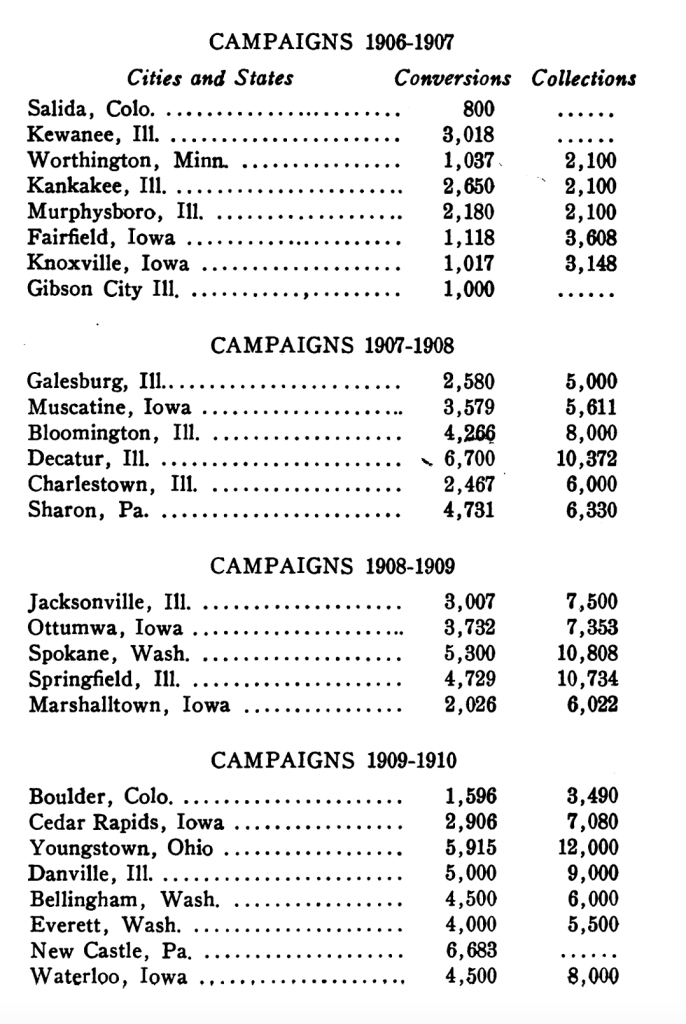
Billy Sunday campaigns 1904-1905

Here’s a blog-ready narrative reflecting on the 1904–1905 campaign data from Billy Sunday’s early revivals:


Billy Sunday’s Early Impact: What the 1904–1905 Campaign Numbers Reveal

By Kraig McNutt

Before Billy Sunday became a national sensation—packing tabernacles in Philadelphia and Pittsburgh—he cut his evangelistic teeth in smaller Midwestern towns. The data from his 1904–1905 revival campaigns offers a fascinating glimpse into the early momentum of a man who would become America’s most celebrated evangelist of the early 20th century.

Here’s what the numbers reveal.


Small Towns, Big Spiritual Response

Many of the towns on Sunday’s early itinerary were small agricultural or industrial communities scattered across Iowa, Illinois, Minnesota, and Colorado. Places like Exira, Iowa and Audubon, Iowa boasted modest populations—yet hundreds came forward to respond to Sunday’s message.

  • Centerville, Iowa (1905): 900 conversions
  • Sterling, Illinois (1904): 1,678 conversions
  • Macomb, Illinois (1905): 1,880 conversions
  • Dixon, Illinois (1905): 1,875 conversions

These numbers are especially impressive when viewed through the lens of population density. In many cases, Sunday was reaching 10–20% or more of the town’s residents. His message wasn’t simply heard—it reshaped the spiritual landscape of entire communities.


Collections: A Window into Support and Sustainability

While conversion data was consistently recorded, collections (monetary offerings) were only occasionally noted:

  • Centerville, Iowa: $1,500
  • Keokuk, Iowa: $2,200
  • Dixon, Illinois: $2,000
  • Macomb, Illinois: $3,100

These figures indicate that even in smaller towns, there was strong financial support for revival efforts. The money likely covered the costs of tabernacle construction, music, printed materials, and Sunday’s own ministry team.

These generous gifts also reflect the deep gratitude communities felt for the spiritual impact they experienced.


Consistent Fruit Across the Heartland

Across 22 cities recorded between 1904 and 1905, Sunday saw tens of thousands make public professions of faith. The median number of conversions hovers around 900–1,000 per town. For a relatively unknown evangelist in his early 40s, this marks a period of accelerating credibility and growing influence.

It was this consistency—town after town, soul after soul—that built the foundation for Billy Sunday’s national platform just a few years later.


A Revival Rooted in the Midwest

It’s no accident that Sunday’s early years focused on Iowa, Illinois, and Minnesota—regions that mirrored his own upbringing and values. These were towns where the church was central, alcohol was a public enemy, and personal salvation was not just a religious idea, but a community matter.

Sunday’s fiery oratory, moral clarity, and theatrical flair found fertile ground in these heartland soils.


Final Thought: The Humble Beginnings of a National Voice

The revival fires Billy Sunday lit in places like Bedford, Harlan, and Canon City were more than regional events—they were launchpads. These early campaigns showed that revival could still grip a town, change hearts, and reorder lives.

In 1904 and 1905, he wasn’t yet preaching to hundreds of thousands—but he was proving that he could.

And history shows—he would.


Enjoying this kind of historical insight? Subscribe to the blog or check out more posts at EvangelistBillySunday.com


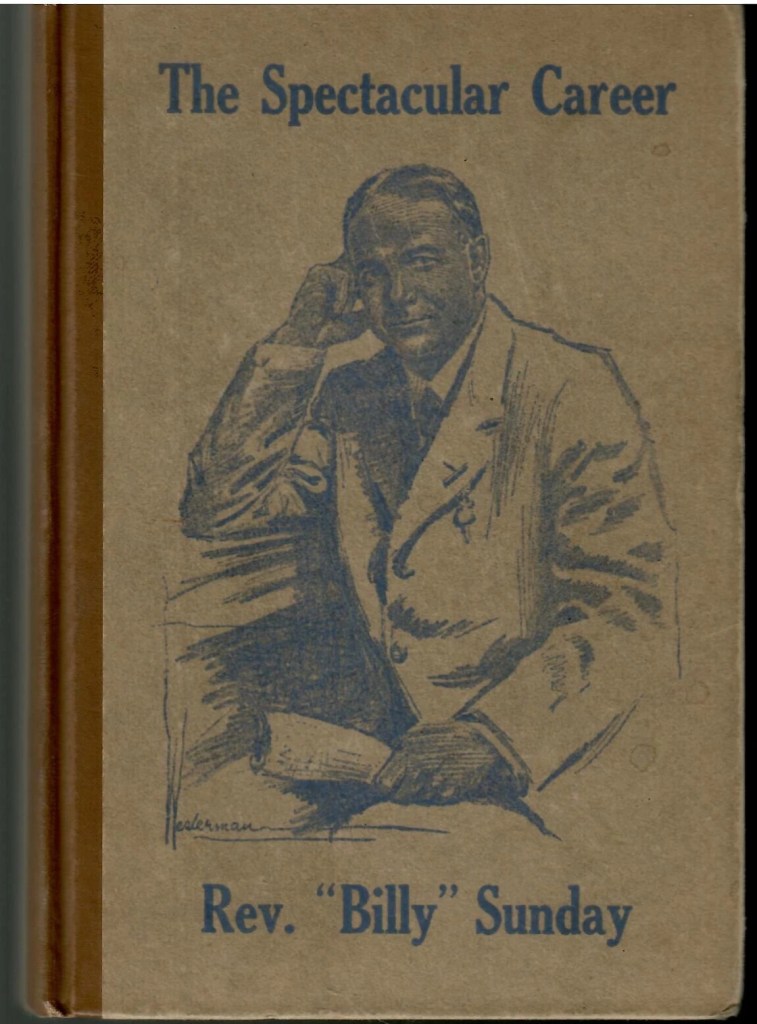
Source: The Spectacular Career, p. 126.

CityConversionsCollections
Marshall, Minn.600
Sterling, Ill.1678
Rockford, Ill.1000
Elgin, Ill.800
Carthage, Ill.650
Pontiac, Ill.1100
Jefferson, Iowa900
Bedford, Iowa600
Seymour, Iowa600
Centerville, Iowa9001500.0
Corydon, Iowa500
Audubon, Iowa500
Atlantic, Iowa600
Harlan, Iowa400
Exira, Iowa400
Keokuk, Iowa10002200.0
Redwood Falls, Minn.600
Mason City, Iowa1000
Dixon, Ill.18752000.0
Canon City, Colo.950
Macomb, Ill.18803100.0
Canton, Ill.1120