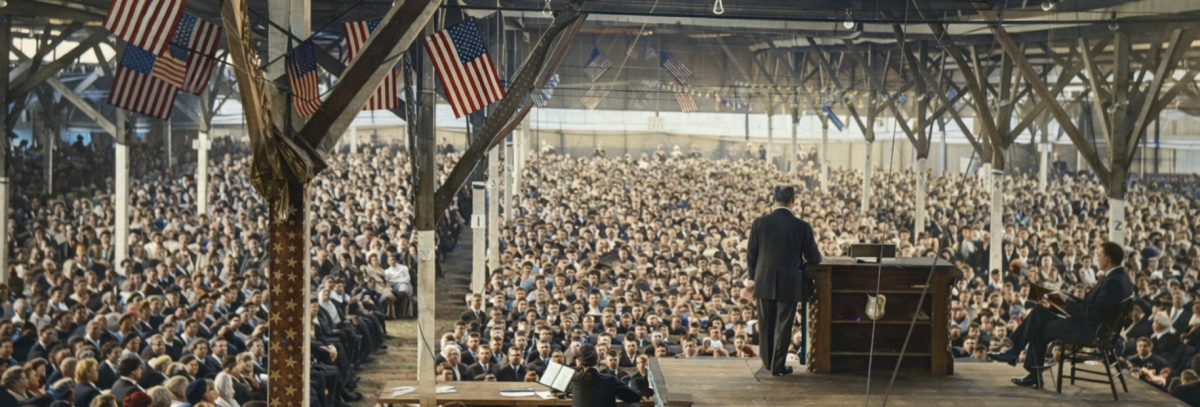
In the early 20th century, no evangelist captured the American imagination quite like Billy Sunday. With his blazing speed on the baseball diamond and firebrand preaching style in packed tabernacles, Sunday became a household name. But who was the man behind the headlines and revival tents?
While some 1930s newspapers portrayed him as a tragic figure in decline, the truth is both richer and more inspiring. Here are the most accurate and meaningful highlights of Billy Sunday’s life—stories that are not only true, but worth remembering.
1. From Iowa Log Cabin to Orphan’s Home
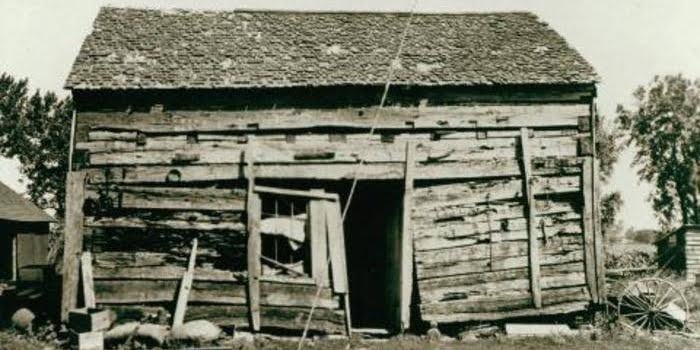
Billy Sunday was born on November 19, 1862, in a humble two-room cabin in Story County, Iowa. His father, a Civil War soldier, died when Billy was just a month old. Poverty and hardship followed. By age 8, Billy was working odd jobs to help support his family, and at 9 he was sent to live in state-run orphanages in Glenwood and Davenport with his brother Edward. It was a rough start—but one that forged a resilient spirit.
2. A Baseball Star is Born
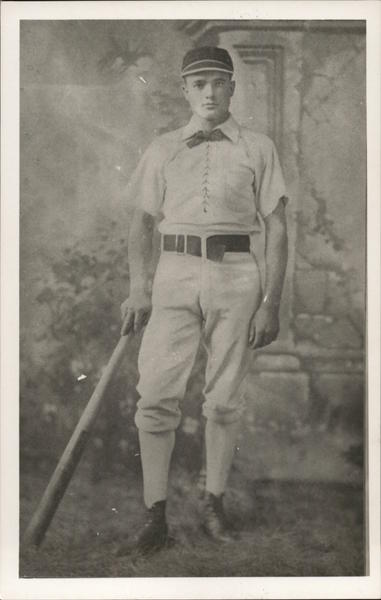
Billy’s speed made him a local legend in fire brigade races and eventually caught the attention of Cap Anson, manager of the Chicago White Stockings. In 1884, Billy went straight from sandlot baseball to the major leagues, where he played for Chicago, Pittsburgh, and Philadelphia. He was known for:
- Circling the bases in 14 seconds
- Lightning speed and dramatic fielding
- Coaching at Northwestern University in the off-season
Though not a superstar at the plate, Sunday’s athleticism and work ethic made him a fan favorite.
3. A Saloon, a Hymn, and a Mission
In 1887, while still a ballplayer, Billy heard hymns outside the Pacific Garden Mission in Chicago. Drawn in by the music, he began attending services and was soon converted to Christianity. His transformation was real and lasting.
He turned down lucrative baseball contracts and took a $1,000-a-year job at the Chicago YMCA, launching a new career path—urban evangelism. He later joined J. Wilbur Chapman as an assistant before launching his solo revival ministry in 1896.

4. Revivalism Redefined
Billy Sunday became one of the most dynamic preachers in American history. His sermons were:
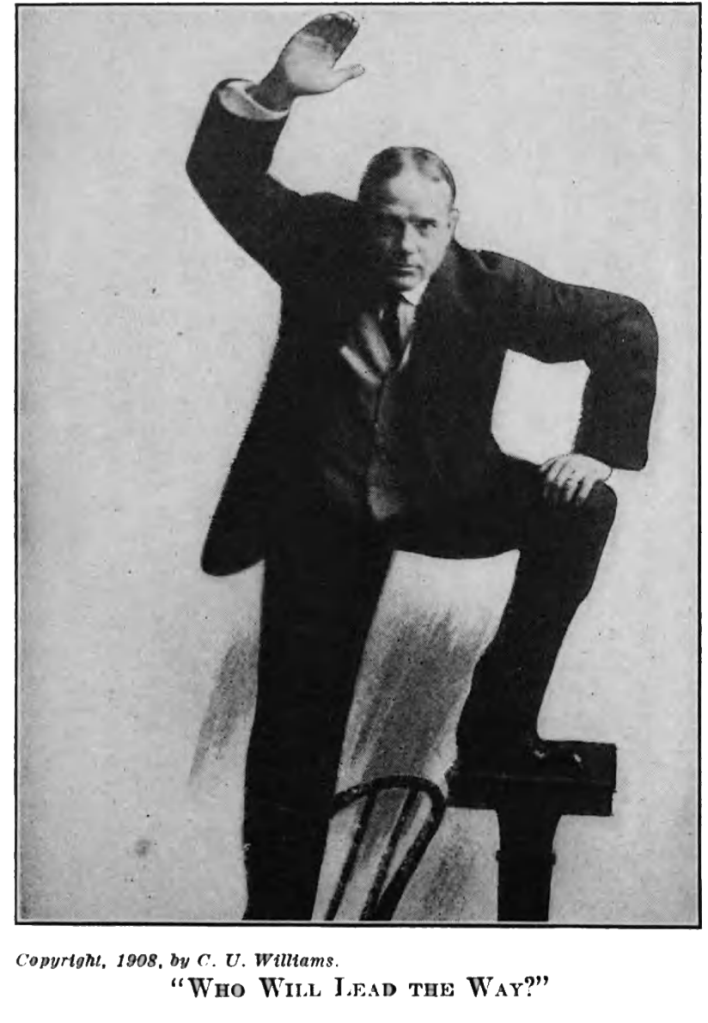
- Full of slang, humor, and action
- Delivered in massive tabernacles, often seating 10,000–20,000
- Focused on personal repentance, moral reform, and civic virtue
In New York City (1917), he preached to over 1.5 million people in ten weeks. He gave the entire $120,465 offering to war charities. In Chicago, he donated another $65,000 to the Pacific Garden Mission.
No other evangelist of his day had such reach—or gave so much away.
5. The Power Couple: Billy and “Ma” Sunday
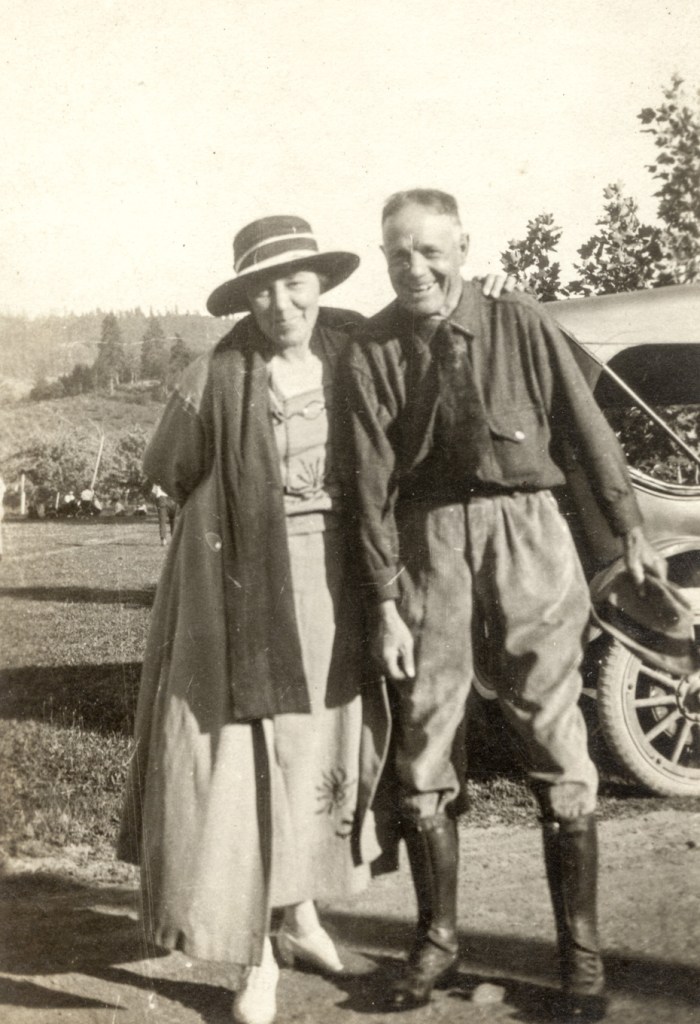
Billy met Nell Thompson in Sunday school, and after overcoming her family’s resistance to marrying a ballplayer, the two became partners for life. Nell—or “Ma,” as the nation came to know her—was the administrative backbone of Billy’s ministry. She managed his schedule, finances, and logistics, allowing him to focus on preaching.
6. Later Years: Sorrow, Sacrifice, and Perseverance
Though his ministry never lost its power, Billy’s later years were marked by tragedy:
- His daughter Helen died in 1932.
- His son George died in 1933 after personal and financial collapse.
- He suffered a heart attack in 1933 but returned to preaching against doctors’ orders.
- He resumed small-town revivals to support his grandchildren, after spending his savings trying to rescue George’s failed business.
Despite failing health and shrinking crowds, Billy Sunday kept preaching. Not for fame. Not for money. But because he believed the gospel still needed to be heard.

Final Reflection
Billy Sunday’s story is often misunderstood. Yes, he lived through grief, made financial sacrifices, and returned to smaller venues. But he did not die penniless. He died spent—having poured out his life in the service of others and the cause of Christ.
🗣️ A Quote to Remember
“I want to preach until I can’t preach anymore, and then I want to crawl up into the pulpit and die.”
—Billy Sunday
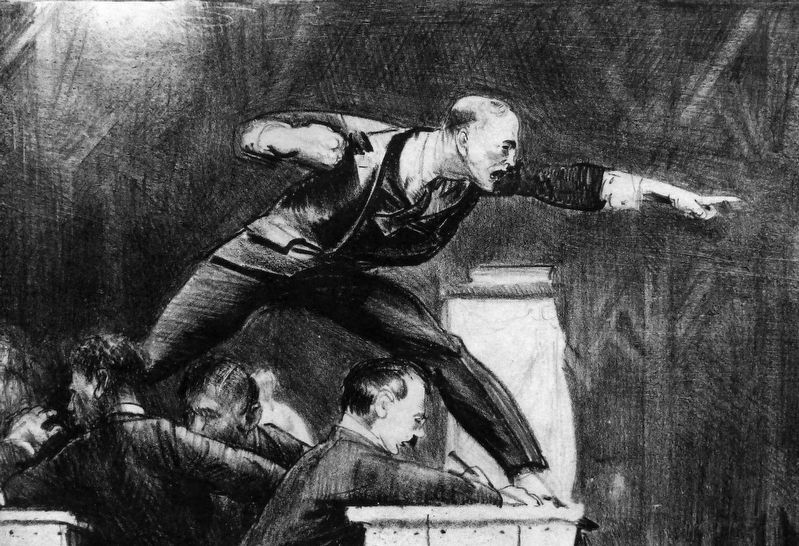

 Evangelist Billy Sunday (1862-1935)
I owe much to Billy Sunday. My grandfather heard the Gospel in Chicago through him. He was born again. This began a family legacy of knowing and serving Christ. I pray my grand daughter (now 8) will also become a Christian.
beverly sansom
beverlysansom@me.com
LikeLike